
Summer Squash

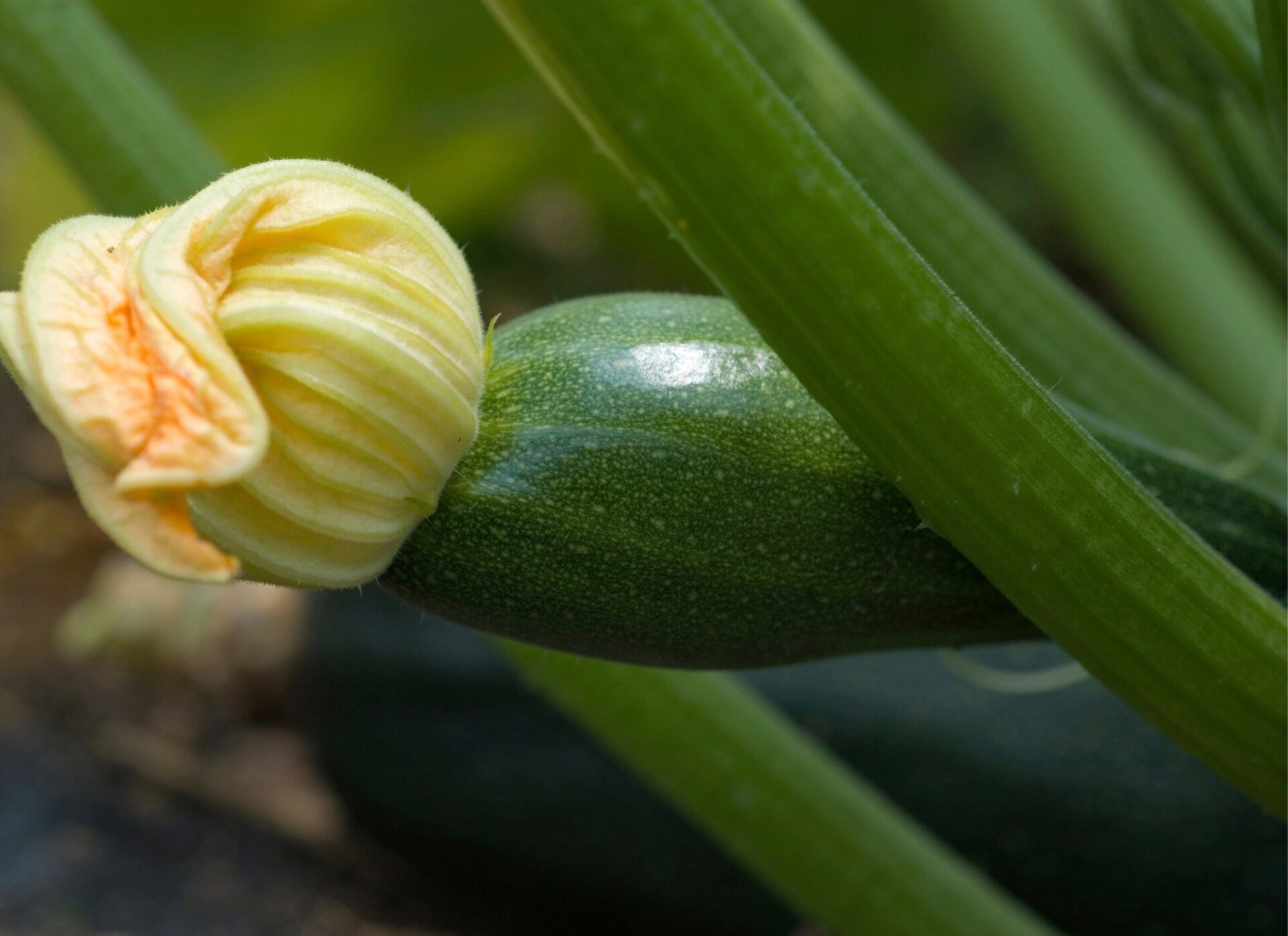
Photo of zucchini blossom at end of fruit

Harvest Guide

Summer Squash

Harvesting Summer Squash

Zucchini Blossoms
  • You can harvest squash flowers for an early summer treat.
  • First, learn how to tell male and female flowers apart. Male flowers are hairier, have a thin base, and pollinate but don’t produce fruit. Female flowers have a thicker base and form fruit.
  • For best results, harvest blossoms in the morning and use the same day.
  • To harvest blossoms, find a male flower and cut the stem half an inch below the blossom.
  • It’s important to leave most female flowers so the plant will continue to produce fruit (a.k.a. squash)
When It’s Ready
  • Harvest zucchini and yellow squash before they reach 8” long.
  • Patty pan squash should be the size of a doorknob and almost entirely yellow
  • Early-mid July – September
When It’s Too Late
  • Summer squash are very productive once they mature and can get excessively big in just a few ays. Larger squash has a tougher texture and more seeds.
  • If the squash shows signs of rot, or pest damage it is no longer desirable to eat.
How To
  • Twist individual squash from their vines, or cut them away gently
  • Leave 1” of stem attached to the squash for improved storage
Photo of zucchini blossom at end of fruit

Growing Summer Squash

Summer squash is a delicious and versatile vegetable that comes in a variety of shapes, sizes, and colors. It has a mild, slightly sweet flavor that pairs well with a wide range of ingredients. It can be sautéed for a quick and easy side dish, grilled to accentuate its flavor, added to a soup or stew, or even pickled! Summer squash can also be stuffed with cooked grains and vegetables.

Varieties of Summer Squash

Patty Pan Summer Squash | Zucchini

Storing Summer Squash

Fresh Storage: Store squash for 1-2 weeks in the fridge at 41–50°F and 95% humidity.

Cooking With Summer Squash

  1. Grilled Summer Squash: Slice summer squash into thick rounds, brush them with olive oil, sprinkle with salt and pepper, and grill until tender and slightly charred. Grilled summer squash makes a delicious and simple side dish for summer meals.
  2. Summer Squash Pasta: Spiralize or thinly slice summer squash and use it as a pasta substitute. Sauté the squash in olive oil with garlic, cherry tomatoes, and herbs for a light and flavorful “pasta” dish.
  3. Summer Squash Fritters: Grate summer squash and mix it with breadcrumbs, eggs, grated cheese, and herbs. Shape the mixture into patties and pan-fry until golden and crispy. Serve the fritters as a tasty appetizer or vegetarian main course.
  4. Summer Squash Salad: Slice summer squash into thin ribbons or cubes and toss them with fresh herbs, lemon juice, olive oil, and crumbled feta cheese. This refreshing salad showcases the natural flavors of summer squash.
  5. Stuffed Summer Squash: Cut summer squash in half lengthwise, scoop out the seeds, and stuff them with a mixture of cooked grains, chopped vegetables, cheese, and herbs. Bake until the squash is tender and the filling is heated through for a satisfying and healthy stuffed squash dish.

Recipes

Photo of a panzanella salad from Whats4eats

Summer Panzanella with Squash

Savor the vibrant flavors of summer with a delightful Summer Panzanella featuring freshly harvested pattypan squash. This garden-to-table recipe celebrates...

Read More
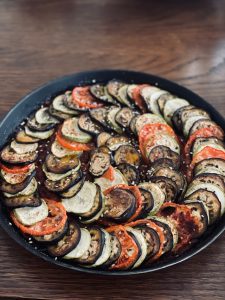
Photo of ratatouille from Marjan Sadeghi from Unsplash

Ratatouille Slab Pie

Discover the rustic charm of our ratatouille slab pie, a flavorful twist on a classic dish. Layers of vibrant vegetables,...

Read More

Want To Learn More?

At Backyard Eats, we’re passionate about helping our clients discover and share the magic of homegrown good. Our Harvest Guides will teach you everything you need to know to harvest, store, and cook with fresh produce right from your own backyard! Our Harvest Toolkit Directory includes a list of all our step-by-step guides. Click below to give them a try!

Shallots

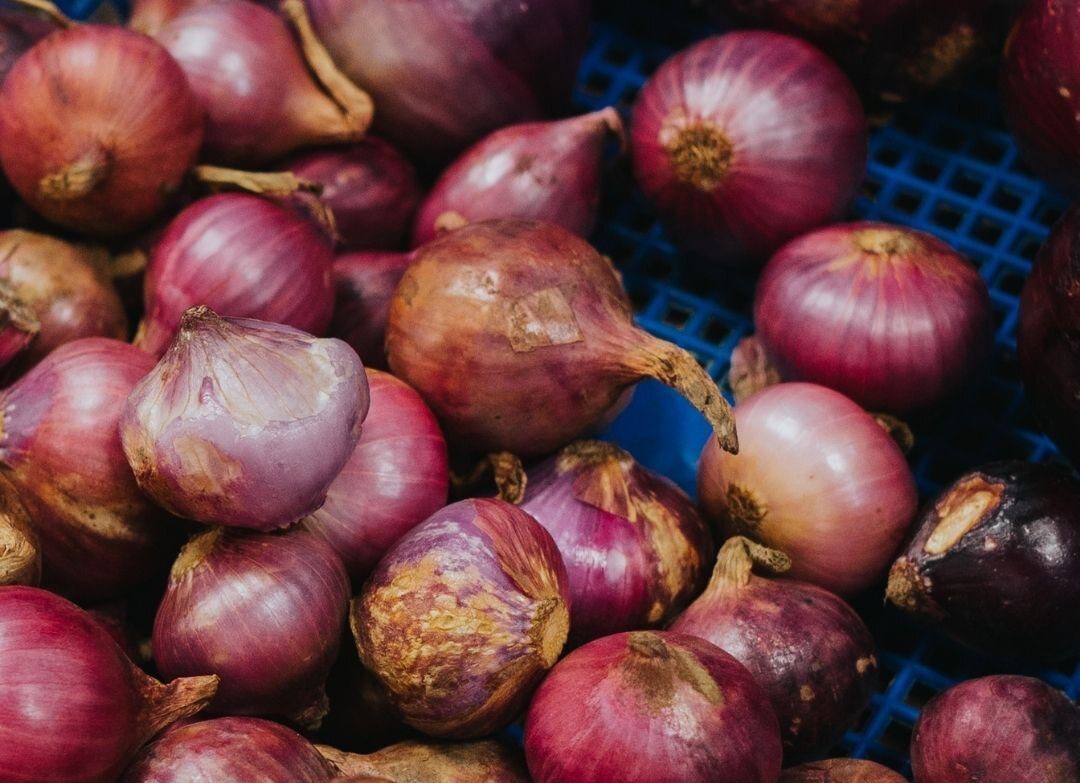
Photo of red onion bulbs

Harvest Guide

Shallots

Harvesting Shallots

When It’s Ready
  • When the necks of the shallot are soft, and the tops begin to fall over, gently remove from soil and allow to sit in the sun for up to a week before use.
  • Late June – July
How To
  • Gently loosen soil around the shallot and pull firmly.
Photo of red onion bulbs

Growing Shallots

Shallots are a type of onion with a milder, sweeter flavor than traditional onions. Shallots add a depth of flavor to dishes like sauces, dressings, and soups. They can be sliced thin and used raw in salads or sautéed until soft and caramelized for a richer flavor. Roasting or grilling shallots brings out their natural sweetness and gives them a delicious, smoky flavor. Pickled shallots make a tangy, crunchy condiment that pairs well with sandwiches and cheese boards.

Storing Shallots

Fresh and Long-Term Storage: Keep in a dark, cool, and dry place for continual use after harvesting.

Cooking With Shallots

  1. Shallot Vinaigrette: Finely chop shallots and whisk them with olive oil, vinegar (such as red wine or balsamic), Dijon mustard, honey, salt, and pepper. This flavorful vinaigrette is perfect for dressing salads or marinating meats.
  2. Caramelized Shallots: Thinly slice shallots and sauté them in butter or oil over low heat until they turn golden brown and develop a sweet and rich flavor. Caramelized shallots can be used as a topping for burgers, pizzas, or incorporated into various dishes for added depth of flavor.
  3. Shallot and Herb Compound Butter: Mix finely minced shallots with softened butter, chopped herbs (such as parsley, thyme, or rosemary), salt, and pepper. Use this aromatic compound butter to enhance the flavors of grilled steaks, roasted vegetables, or spread it on warm bread.
  4. Shallot and Garlic Roasted Chicken: Rub chicken with a mixture of minced shallots, minced garlic, olive oil, lemon juice, salt, and pepper before roasting. The combination of shallots and garlic infuses the chicken with a delicious and savory taste.
  5. Shallot Confit: Slowly cook sliced shallots in olive oil until they become soft and caramelized. This rich and sweet shallot confit can be used as a spread on sandwiches, a topping for pizzas, or added to sauces and gravies for extra flavor.

Recipes

Photo of harvested spinach greens from Engin Akyurt from Unsplash

Creamed Spinach

Indulge in the velvety goodness of our creamed spinach, a classic side dish that never fails to delight. Fresh spinach...

Read More

Want To Learn More?

At Backyard Eats, we’re passionate about helping our clients discover and share the magic of homegrown good. Our Harvest Guides will teach you everything you need to know to harvest, store, and cook with fresh produce right from your own backyard! Our Harvest Toolkit Directory includes a list of all our step-by-step guides. Click below to give them a try!

Scallions

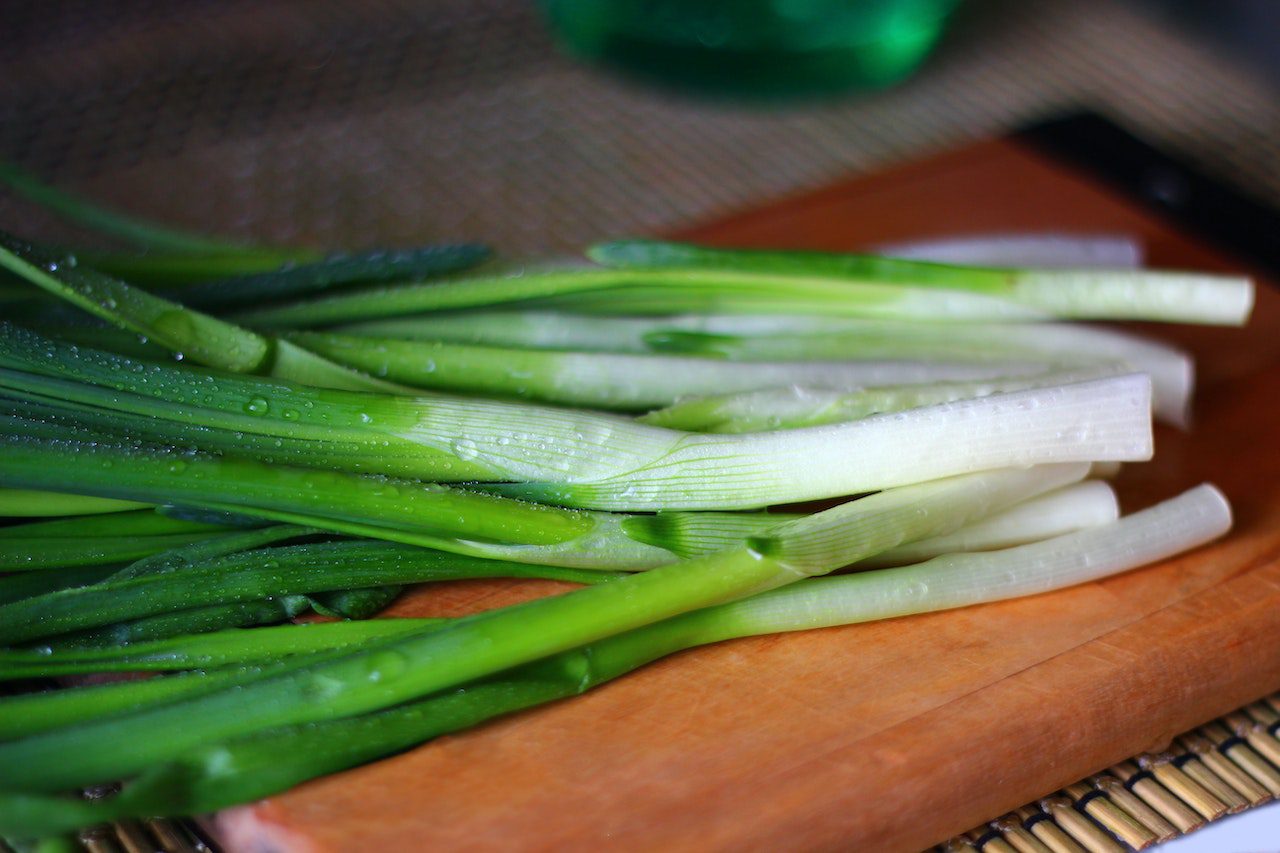
Photo of scallions on a cutting board from Eleonora Sky from Pexels

Harvest Guide

Scallions

Harvesting Scallions

When It’s Ready
  • When the scallions are about the diameter of a dime
  • When the stalks are firm and tall
  • Late June – October
When It’s Too Late
  • When the scallions have begun to brown and shrivel up
How To
  • Using a garden trowel, or your hands, gently dig up the entire plant from the soil
  • The stalks may bruise if compacted, so be sure to handle them gently
Photo of scallions on a cutting board from Eleonora Sky from Pexels

Growing Scallions

Scallions, also known as green onions, are a member of the onion family and have a mild, sweet flavor. They have long, thin green stalks and small white bulbs. Scallions are commonly used in Asian and Mexican cuisine. They can be used raw in salads or as a garnish for soups and stews. Scallions are also a great addition to stir-fries, fried rice, and noodle dishes. They can be thinly sliced and added to sandwiches, wraps, and tacos for a fresh crunch.

Storing Scallions

Fresh Storage: Scallions can be stored fresh in an airtight container in the refrigerator, or in a glass with an inch of water on the bottom.

Long-Term Storage: Scallions can also be hang-dried and stored in a cool dry place for longer use.

Cooking With Scallions

  1. Scallion Pancakes: Mix chopped scallions into a pancake batter made with flour, water, and a pinch of salt. Cook the pancakes until golden and crispy for a savory and flavorful appetizer or side dish.
  2. Scallion Stir-Fry: Sauté sliced scallions with other vegetables, such as bell peppers, snap peas, and carrots, in a hot pan or wok. Add soy sauce, ginger, and garlic for a quick and tasty stir-fry.
  3. Scallion Dip: Blend chopped scallions with sour cream or Greek yogurt, mayonnaise, garlic, lemon juice, salt, and pepper to create a creamy and tangy dip. Serve with chips, crackers, or vegetable sticks.
  4. Scallion Noodle Soup: Add sliced scallions to a hot broth along with cooked noodles, vegetables, and your choice of protein. The scallions add a fresh and mild onion flavor to the comforting soup.
  5. Grilled Scallions: Brush scallions with olive oil and grill them until they are slightly charred and tender. Grilled scallions make a delicious side dish or can be used as a flavorful topping for grilled meats or salads.

Recipes

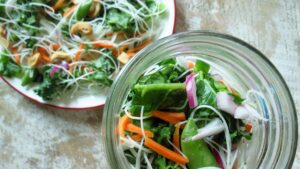
Photo of cold noodle salad from Correen from Unsplash

Sweet Pepper Slaw

  Sweet pepper slaw is a crisp and colorful blend of shredded cabbage and sweet peppers, dressed in a tangy...

Read More
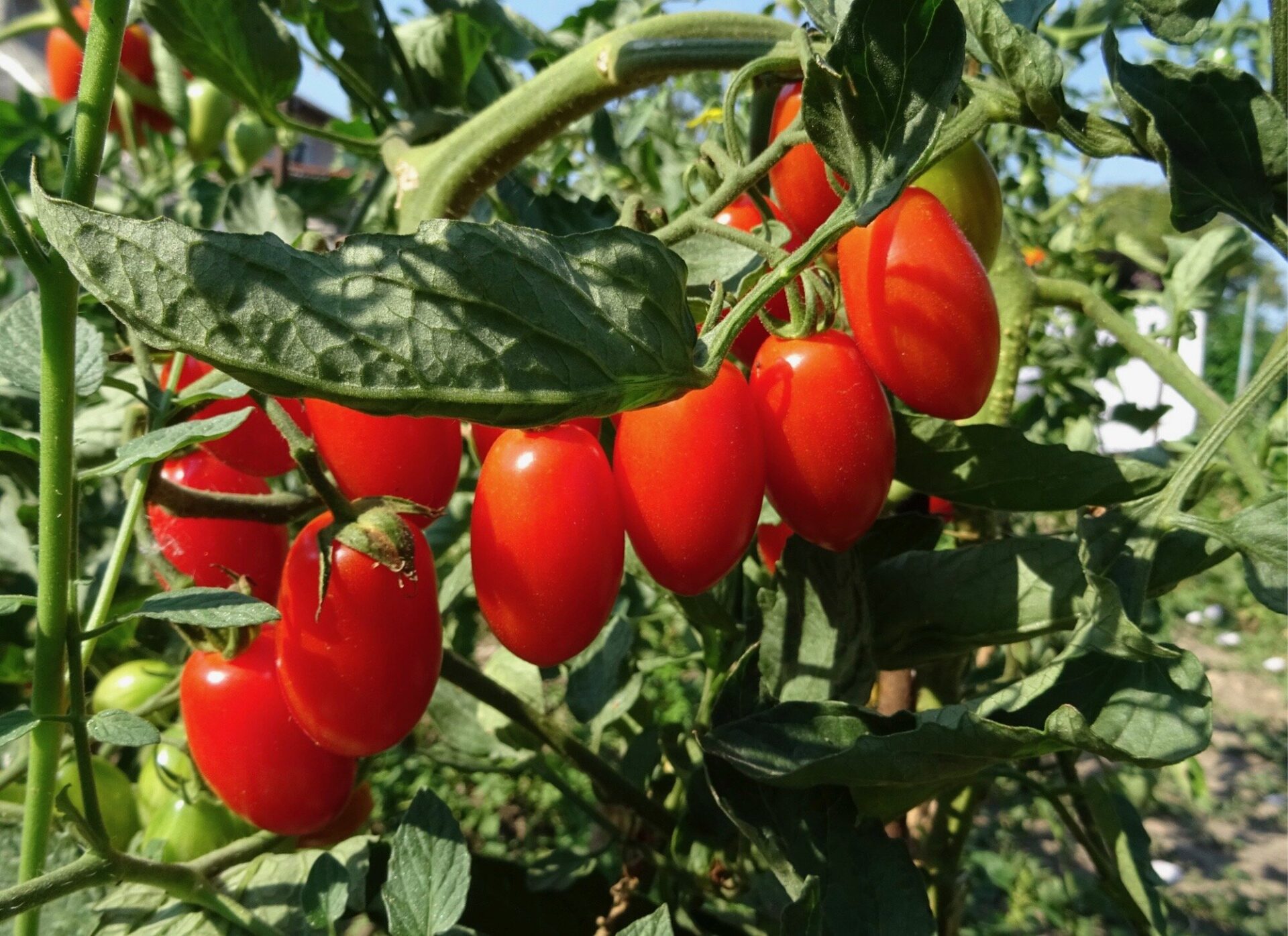
Photo of baked dish being pulled from oven

Spinach and Feta Borek

Experience the savory delight of our spinach and feta borek, a timeless Mediterranean treat. Layers of delicate phyllo pastry encase...

Read More

Want To Learn More?

At Backyard Eats, we’re passionate about helping our clients discover and share the magic of homegrown good. Our Harvest Guides will teach you everything you need to know to harvest, store, and cook with fresh produce right from your own backyard! Our Harvest Toolkit Directory includes a list of all our step-by-step guides. Click below to give them a try!

Sage

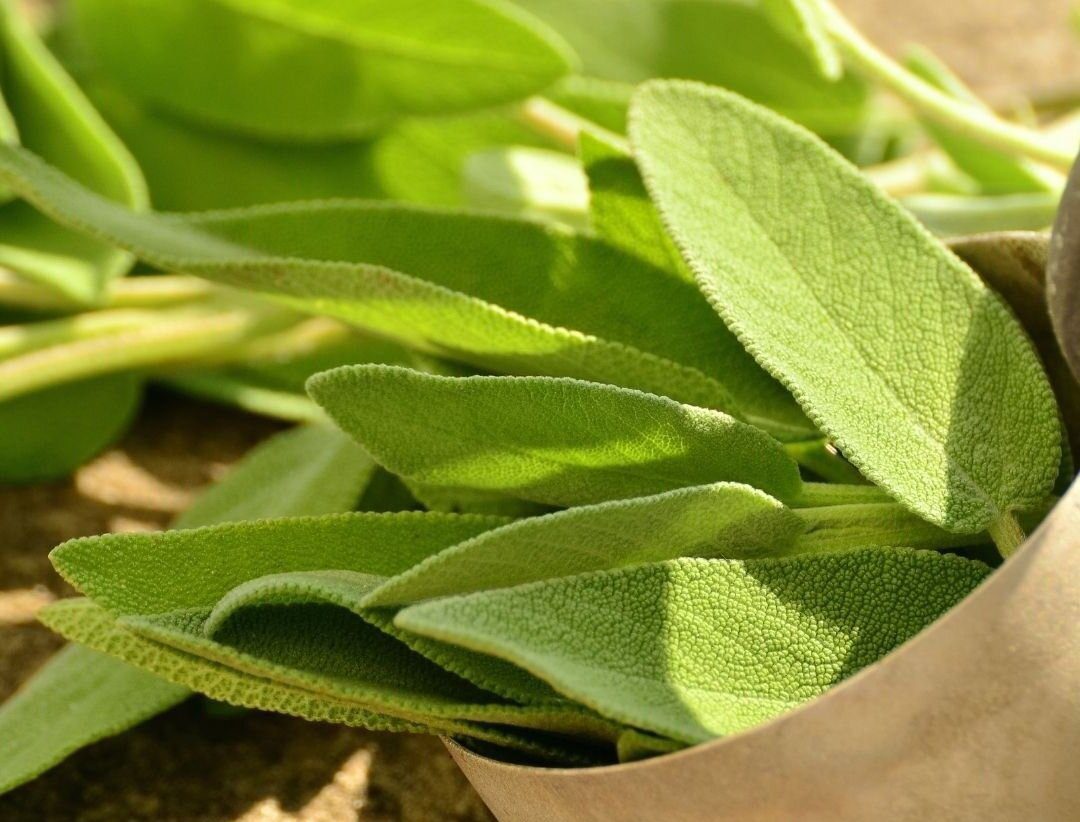
Photo of picked sage leaves

Harvest Guide

Sage

Harvesting Sage

When It’s Ready
  • Harvest individual leaves as often as desired, once the plant has been established.
  • In the second year, cut down stems leaving 6” on the plant.
  • April – December
How To
  • Use a sharp knife or shears to clip stems and leaves away from the bush.
Photo of picked sage leaves

About Mediterranean Herbs

Mediterranean herbs are plants that grow 0.5-3 ft tall. They require partial to full sun to thrive, but not trellising or pruning.

Flowering/Fruiting Tendencies

Mediterranean herbs are easy, multi-harvest plants for fresh use, drying, teas, and medicines. Most are typically easy to establish and just need seasonal clean-ups.

Design Notes

Space herbs about 18″ apart. Most are Mediterranean herbs don’t do well in super cold or moist soil. Will overwinter better in warm conditions.

Care Notes

Kitchen herbs benefit from compost. Mulching can be kept to a minimum as many kitchen herbs won’t benefit from the extra moisture retention. Kitchen herbs can typically be thinned/harvested in the summer and fall to keep them from growing wild. Many will get unwieldy and less productive after a few years and may need to be replaced.

Newly planted perennials require some additional care to help establish and support the plants as they grow. Water newly planted perennials deeply at the root 2-3 times a week during the first growing season. Apply compost and wood chip mulch in the late winter/early spring.

Storing Sage

Fresh Storage: Keep in a dark, cool, and dry place for continual use after harvesting.

Long-Term Storage: “Woody” perennial herbs like sage can be dried at home to enjoy all year long! First, trim stems from the main plant. Tie 3-5 stems together into a bundle, then hang them to dry in a cool, dark, and well-ventilated place for 2-3 weeks. 

Once the herbs are dry and brittle, you can store and enjoy them long-term.

Cooking With Sage

  1. Sage Butter: Mix softened butter with finely chopped sage leaves, minced garlic, salt, and pepper. Use the sage butter to top grilled meats, roasted vegetables, or spread it on warm bread for a flavorful and aromatic twist.
  2. Butternut Squash and Sage Risotto: Sauté minced sage leaves with onions and garlic, then add Arborio rice and butternut squash cubes. Gradually add vegetable broth and stir until the rice is creamy and cooked. The earthy flavor of sage complements the sweetness of butternut squash in this comforting risotto.
  3. Sage-Roasted Chicken: Rub chicken with olive oil, minced sage leaves, salt, and pepper before roasting. The fragrant sage adds a savory and herbaceous flavor to the chicken as it cooks.
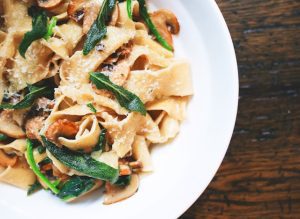
  4. Sage and Mushroom Pasta: Sauté sliced mushrooms with minced sage leaves, garlic, and olive oil. Toss the mushroom mixture with cooked pasta and sprinkle with grated Parmesan cheese for a simple yet flavorful pasta dish.
  5. Fried Sage Leaves: Heat oil in a pan and fry whole sage leaves until they turn crispy. Sprinkle the fried sage leaves with salt and use them as a flavorful and crispy garnish for soups, salads, or pasta dishes. 

Recipes

Photo of squash soup from Valeria Boltneva from Unsplash

Butternut Squash Soup

Whipping up a batch of homemade butternut squash soup is a straightforward and deeply satisfying experience. This method ensures that...

Read More
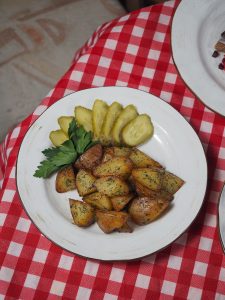
Photo of roasted potatoes from Nadin from Pexels

French Potato Salad

French potato salad with tarragon is a flavorful and classic dish that combines the creamy goodness of potatoes with the...

Read More
Want To Learn More?

At Backyard Eats, we’re passionate about helping our clients discover and share the magic of homegrown good. Our Harvest Guides will teach you everything you need to know to harvest, store, and cook with fresh produce right from your own backyard! Our Harvest Toolkit Directory includes a list of all our step-by-step guides. Click below to give them a try!

Rosemary

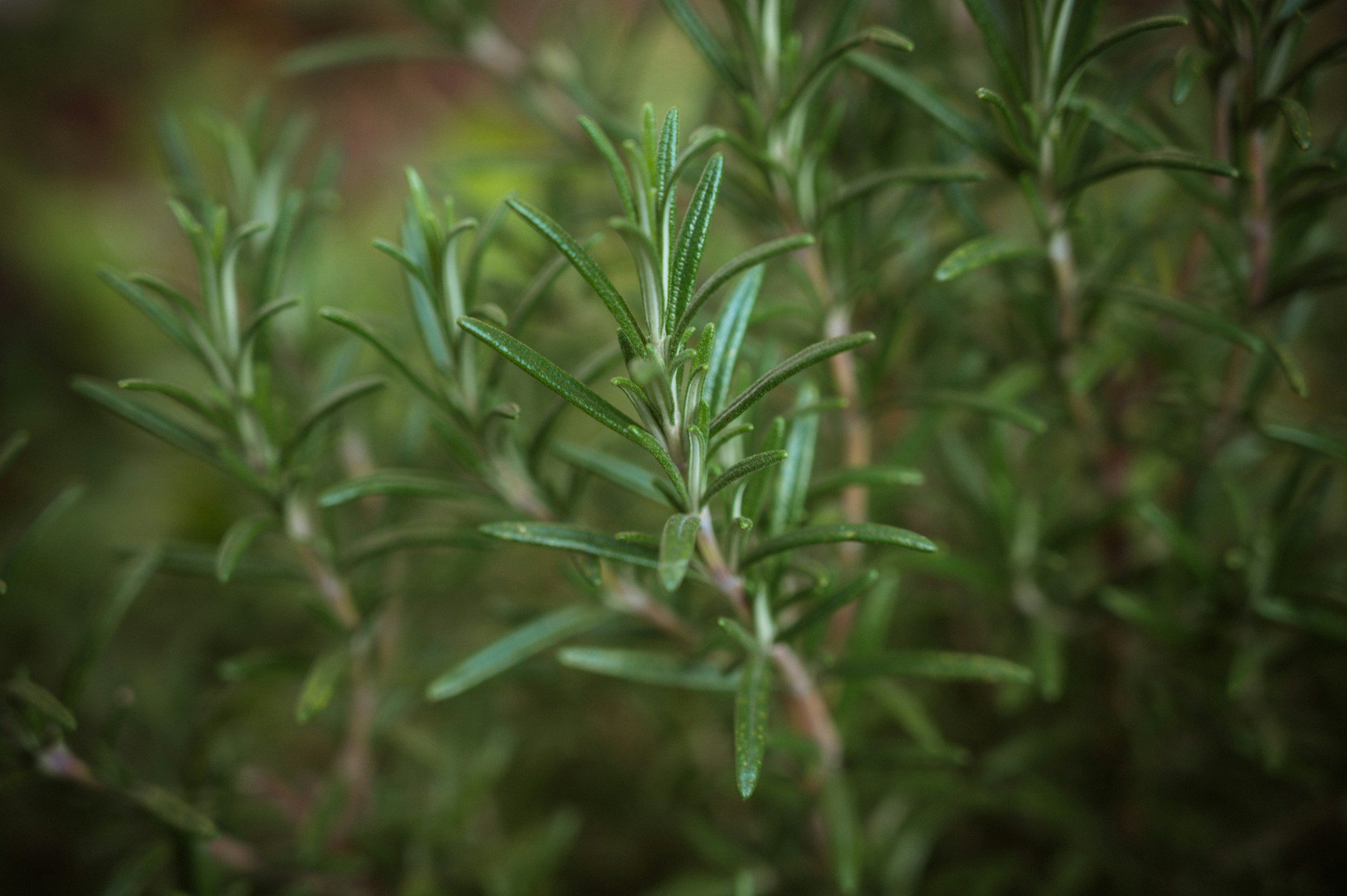
Photo of rosemary leaves from Babbette Landmeser from Unsplash

Harvest Guide

Rosemary

Harvesting Rosemary

When It’s Ready
  • When the plant is at at least 4″ tall
  • Harvest no more than one-third of a plant at a time to allow regrowth
  • Harvest at any time of the season
  • April – December
How To
  • Cut a stem with scissors or pruners about one-third down the length of a main stem
  • Clipping a main stem will induce branching and bushiness. Removing an entire branch will encourage upward growth.

Pro Tip
  • Clipping a main stem will induce branching at that point, resulting in a bushier plant.
  • Removing an entire branch will reduce bushiness and encourage more upright growth.
  • The shape (or “habit”) of any rosemary plant will also differs based on the variety of plant.
Photo of rosemary leaves from Babbette Landmeser from Unsplash

About Mediterranean Herbs

Mediterranean herbs are plants that grow 0.5-3 ft tall. They require partial to full sun to thrive, but not trellising or pruning.


Flowering/Fruiting Tendencies

Mediterranean herbs are easy, multi-harvest plants for fresh use, drying, teas, and medicines. Most are typically easy to establish and just need seasonal clean-ups.

Design Notes

Space herbs about 18″ apart. Most are Mediterranean herbs don’t do well in super cold or moist soil. Will overwinter better in warm conditions.

Care Notes

Kitchen herbs benefit from compost. Mulching can be kept to a minimum as many kitchen herbs won’t benefit from the extra moisture retention. Kitchen herbs can typically be thinned/harvested in the summer and fall to keep them from growing wild. Many will get unwieldy and less productive after a few years and may need to be replaced.

Newly planted perennials require some additional care to help establish and support the plants as they grow. Water newly planted perennials deeply at the root 2-3 times a week during the first growing season. Apply compost and wood chip mulch in the late winter/early spring.

Storing Rosemary

Fresh Storage: Wrap in damp paper towel and place in a ziploc bag in the crisper drawer of the refrigerator for storage up to three weeks.

Long-Term Storage: “Woody” perennial herbs like rosemary can be dried at home to enjoy all year long! First, trim stems from the main plant. Tie 3-5 stems together into a bundle, then hang them to dry in a cool, dark, and well-ventilated place for 2-3 weeks. 

Once the herbs are dry and brittle, you can store and enjoy them long-term.

Cooking With Rosemary

  1. Rosemary Roasted Potatoes: Toss quartered potatoes with olive oil, minced rosemary, salt, and pepper. Roast in the oven until golden and crispy for flavorful and fragrant roasted potatoes.
  2. Rosemary Grilled Chicken: Marinate chicken pieces in a mixture of olive oil, minced rosemary, garlic, lemon juice, salt, and pepper. Grill until cooked through for a delicious and aromatic rosemary-infused chicken.
  3. Rosemary Focaccia: Add chopped fresh rosemary to homemade focaccia bread dough before baking. The herbaceous flavor of rosemary pairs perfectly with the soft and chewy texture of the bread.
  4. Rosemary Infused Olive Oil: Place fresh rosemary sprigs in a bottle of olive oil and let it infuse for a few days. The resulting rosemary-infused oil can be used as a flavorful drizzle for salads, roasted vegetables, or grilled meats.
  5. Rosemary Lemonade: Infuse fresh rosemary sprigs in homemade lemonade for a unique and refreshing twist. Simply steep the rosemary in hot water, strain, and mix with freshly squeezed lemon juice and sweetener to taste.

Recipes

Want To Learn More?

At Backyard Eats, we’re passionate about helping our clients discover and share the magic of homegrown good. Our Harvest Guides will teach you everything you need to know to harvest, store, and cook with fresh produce right from your own backyard! Our Harvest Toolkit Directory includes a list of all our step-by-step guides. Click below to give them a try!

Radishes

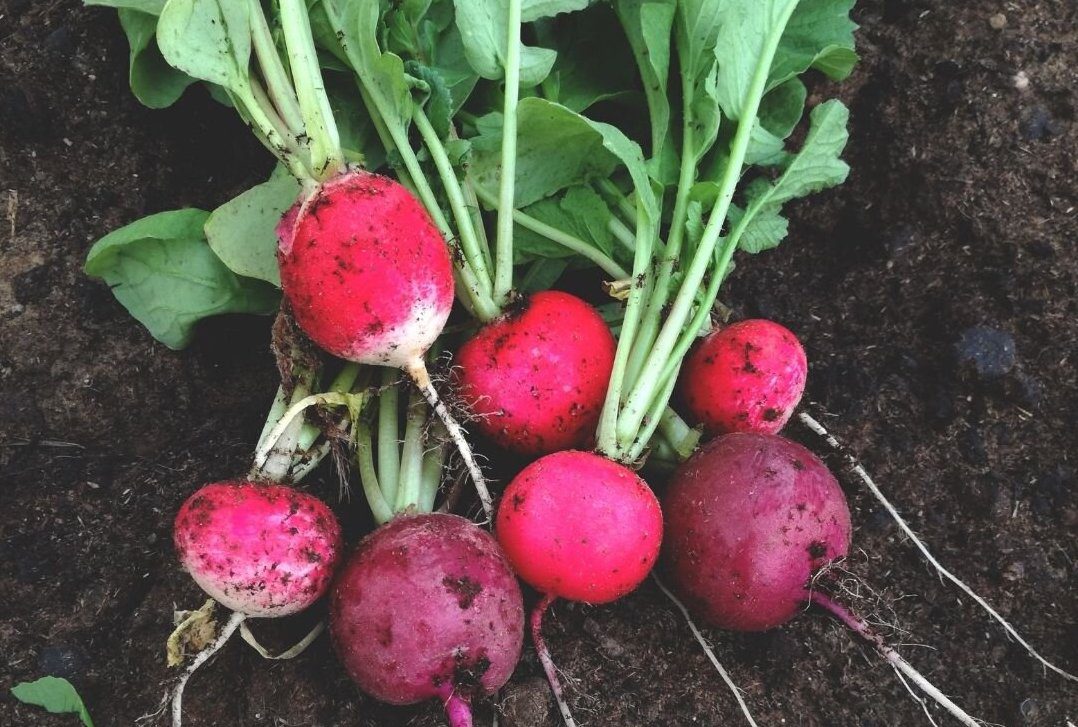
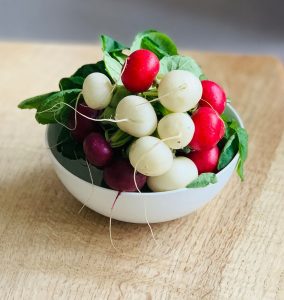
Photo of harvested bundle of radishes

Harvest Guide

Radishes

Harvesting Radishes

When It’s Ready
  • Pull from soil 3-4 weeks after planting
  • You may see the radish begin to pop out of the soil
  • May – early June
How To
  • Pull the entire plant from the soil
  • Cut off the taproot and greens from the radish
  • Don’t wait too long to pick. Radishes tend to split and become spicier and bitter the longer you wait to pick them
Photo of harvested bundle of radishes

Growing Radishes

Radishes are a crunchy, peppery root vegetable that can be enjoyed raw or cooked. They have a bright and slightly spicy flavor, and they add a refreshing crunch to salads and other dishes. When eaten raw, radishes are often sliced thinly and added to salads, sandwiches, or tacos. Radishes can also be cooked in a variety of ways, including roasting, grilling, or sautéing. Roasting radishes can help to mellow their spiciness and bring out their natural sweetness.

Varieties of Radishes

Multicolor ‘Easter Egg’ Radish | Red Radish

Storing Radishes

This vegetable is best when used fresh, but here are a few tips for preserving and storage.

Fresh Storage: Keep in an airtight bag in the fridge for 1-2 months.

Long-Term Storage: Radishes can be stored in the fridge or freezer, blanched, or canned for long-term storage.

Cooking With Radishes

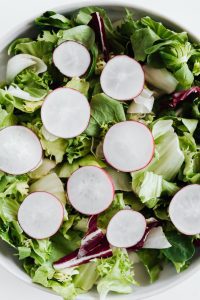
  1. Radish Salad: Slice radishes into thin rounds and combine them with mixed salad greens, cucumber slices, and a tangy vinaigrette dressing. The crisp and slightly spicy radishes add a refreshing crunch to the salad.
  2. Roasted Radishes: Toss halved radishes with olive oil, salt, and pepper, then roast them in the oven until they are tender and slightly caramelized. Roasted radishes have a milder flavor and make a delicious side dish or addition to roasted vegetable medleys.
  3. Radish and Herb Butter: Mix softened butter with finely chopped radishes, minced herbs like chives or parsley, salt, and pepper. Spread the radish herb butter on bread, rolls, or crackers for a flavorful and unique spread.
  4. Radish Salsa: Finely dice radishes and mix them with chopped tomatoes, red onions, jalapeños, lime juice, and cilantro. Season with salt and pepper for a zesty and vibrant salsa. Serve with tortilla chips or as a topping for tacos and grilled meats.
  5. Quick Pickled Radishes: Slice radishes thinly and pickle them in a mixture of vinegar, water, sugar, and salt. Let them marinate for at least 30 minutes. Quick-pickled radishes add tanginess and a pop of color to salads, sandwiches, and tacos.

Recipes

Want To Learn More?

At Backyard Eats, we’re passionate about helping our clients discover and share the magic of homegrown good. Our Harvest Guides will teach you everything you need to know to harvest, store, and cook with fresh produce right from your own backyard! Our Harvest Toolkit Directory includes a list of all our step-by-step guides. Click below to give them a try!

Pole Beans

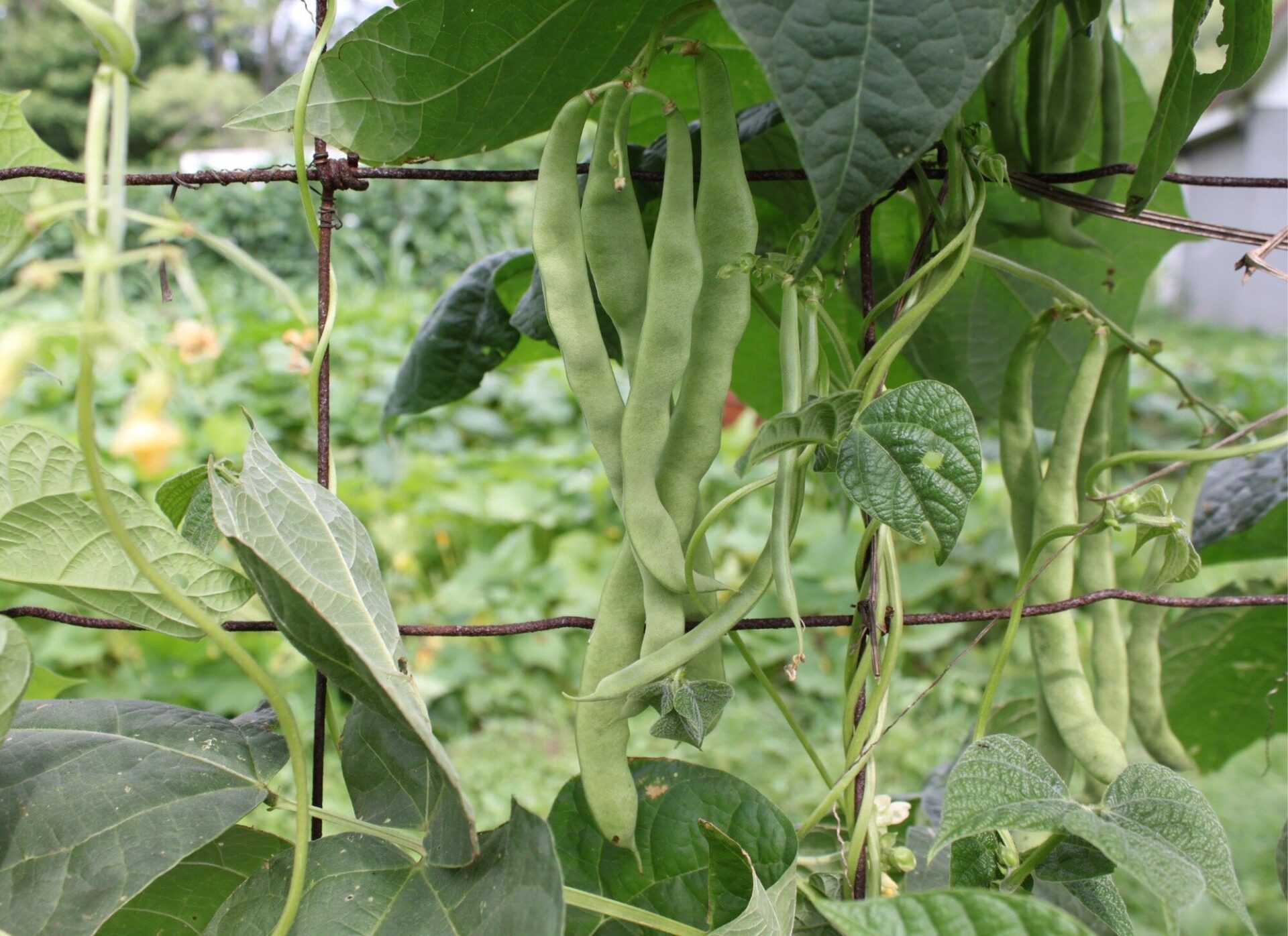
Photo of pole beans hanging on a metal trellis

Harvest Guide

Pole Beans

Harvesting Pole Beans

When It’s Ready
  • Pick green beans when they are pencil size, tender, and before the seeds inside form bumps on the pod.
  • Harvest regularly and thoroughly to encourage production
  • If you allow pods to ripen fully, the plants will stop producing and die.
  • July – first frost
When It’s Too Late
  • When the pod begins to bulge with seeds and the pod appears to be drying or losing moisture, they are no longer very tasty.
How To
  • Pulling directly on the pods may uproot the plants. Instead, use scissors or pinch off beans using your thumbnail and fingers. Cut off and discard any overly mature beans you missed in previous pickings.
Photo of pole beans hanging on a metal trellis

Growing Pole Beans

Pole beans – a type of green beans – have a mild, slightly sweet flavor and a crisp texture. They are a versatile vegetable that can be cooked in a variety of ways, including steaming, boiling, sautéing, roasting, and stir-frying. They make a great addition to many meals.

Storing Pole Beans

Wash and store in the refrigerator for up to 4 weeks.

Serve, freeze, can, or pickle the beans the day you harvest them to preserve their fresh, homegrown flavor.

Cooking With Pole Beans

  1. Green Bean Salad: Blanch or steam pole beans until crisp-tender, then toss them with cherry tomatoes, sliced red onions, feta cheese, and a tangy vinaigrette dressing. This salad showcases the fresh and vibrant flavors of pole beans.
  2. Sautéed Pole Beans: Heat olive oil in a pan, add trimmed pole beans, and sauté until they are tender and slightly charred. Season with minced garlic, salt, and pepper for a quick and flavorful side dish.
  3. Stir-Fried Pole Beans: Stir-fry pole beans with garlic, ginger, and your choice of other vegetables like bell peppers or mushrooms. Add soy sauce or a stir-fry sauce of your choice for a delicious and vibrant stir-fry.
  4. Grilled Pole Beans: Toss trimmed pole beans with olive oil, sprinkle with salt and pepper, and grill until they are slightly charred and tender. Grilled pole beans offer a smoky flavor and make a great addition to summer BBQs or as a side dish for grilled meats.
  5. Pickled Pole Beans: Trim and blanch pole beans, then pickle them in a mixture of vinegar, water, salt, sugar, and spices. Let them marinate for a few days to develop tangy and pickled flavors. Pickled pole beans are a tasty and crunchy addition to salads, antipasto platters, or enjoyed as a snack.

Recipes

No posts found!

Want To Learn More?

At Backyard Eats, we’re passionate about helping our clients discover and share the magic of homegrown good. Our Harvest Guides will teach you everything you need to know to harvest, store, and cook with fresh produce right from your own backyard! Our Harvest Toolkit Directory includes a list of all our step-by-step guides. Click below to give them a try!

Plum and Roma Tomatoes

Photo of cherry tomatoes on the vine

Harvest Guide

Plum and Roma Tomatoes

Harvesting Plum and Roma Tomatoes

When It’s Ready
  • Tomatoes can be harvested any time after the appearance of orange or yellow coloring on the blossom end (bottom).
  • Harvest at this stage and bring inside where it will be protected from critters, insects, and excessive rain.
When It’s Too Late
  • Excessive rainfall may cause ripening or ripe tomatoes to split, which is one reason we recommend harvesting before ripening.
  • Overripe tomatoes will begin to fall from their vine, or be easily smashed with light pressure.
How To
  • Tomatoes can usually be pulled with one hand to remove from the vine.
Photo of cherry tomatoes on the vine

Growing Plum and Roma Tomatoes

Plum tomatoes, also known as Roma tomatoes, are an oval-shaped tomato variety with a firm texture and a rich, tangy flavor. They are commonly used in Italian and Mediterranean cuisines and are often used in sauces, soups, and stews. Plum tomatoes are typically used in cooked dishes rather than raw, as they have a thick skin and meaty flesh that holds up well to cooking. They are often roasted, sautéed, or simmered to bring out their intense flavor.

Varieties of Plum and Roma Tomatoes

Grape Tomato ‘Red Pearl’ | Paste Tomato ‘Plum Regal’ | Roma Tomato ‘San Marzano’

Storing Plum and Roma Tomatoes

  • Wash tomatoes, remove any stems.
  • For unripe tomatoes, place upside down on the counter until ripe (no sun required).
  • For fully ripe tomatoes, refrigerate for up to 3 days to preserve. Allow to come to room temperature before serving (you may slice upon removal from the refrigerator to speed up the warming process).
  • Partially damaged or rotten tomatoes can be used in sauces if the damaged portion is completely removed.

Cooking With Plum and Roma Tomatoes

  1. Tomato Sauce: Paste tomatoes, such as Roma or San Marzano, are perfect for making rich and flavorful tomato sauce. Simmer the peeled and seeded tomatoes with garlic, onions, herbs, and a touch of olive oil for a delicious homemade sauce.
  2. Caprese Skewers: Skewer bite-sized pieces of paste tomatoes, fresh mozzarella, and basil leaves. Drizzle with balsamic glaze and a sprinkle of salt and pepper for a simple and elegant appetizer.
  3. Tomato Bruschetta: Dice paste tomatoes and mix them with minced garlic, chopped basil, olive oil, salt, and pepper. Spoon the mixture onto toasted baguette slices for a tasty and vibrant bruschetta.
  4. Tomato and Cucumber Salad: Combine diced paste tomatoes with diced cucumbers, red onions, and a simple vinaigrette dressing. Toss in some fresh herbs like basil or parsley for a refreshing and colorful salad.
  5. Roasted Tomato Salsa: Roast halved paste tomatoes along with garlic cloves, jalapeños, and onions until they are soft and slightly caramelized. Blend the roasted vegetables with lime juice, cilantro, and salt for a smoky and flavorful salsa.

Recipes

Photo of a panzanella salad from Whats4eats

Summer Panzanella with Squash

Savor the vibrant flavors of summer with a delightful Summer Panzanella featuring freshly harvested pattypan squash. This garden-to-table recipe celebrates...

Read More
Want To Learn More?

At Backyard Eats, we’re passionate about helping our clients discover and share the magic of homegrown good. Our Harvest Guides will teach you everything you need to know to harvest, store, and cook with fresh produce right from your own backyard! Our Harvest Toolkit Directory includes a list of all our step-by-step guides. Click below to give them a try!

Peas

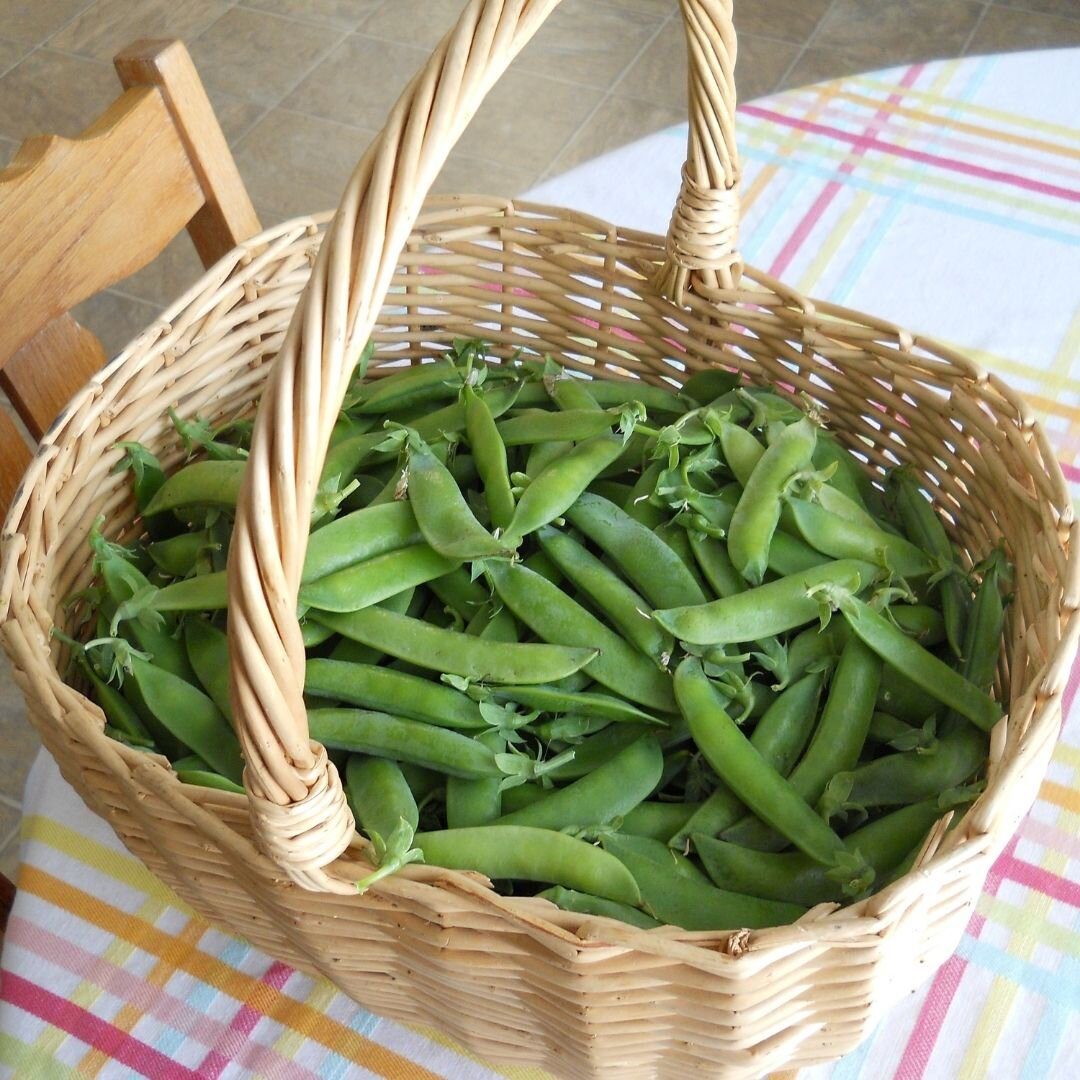
Photo of a basket of snap peas

Harvest Guide

Peas

Harvesting Peas

When It’s Ready
  • Pick individual peas off their stalks when they are 3” or longer
  • Pick peas when the pods feel firm and full, but not waxy or bulging
  • Mid-late June – early July
How To
  • Use a sharp knife or gently pull from their stems.
Photo of a basket of snap peas

Growing Peas

Peas are a sweet and delicate legume with a slightly earthy flavor. Peas are typically eaten cooked, either fresh or frozen, and can be boiled, steamed, or sautéed. They are often used as a side dish or added to soups, stews, and casseroles. They can also be pureed and used in dips, spreads, and sauces. Peas also pair well with dishes such as risottos, pastas, and salads.

Varieties of Peas

Shelling Peas | Snow Peas | Sugar Snap Peas

Storing Peas

Fresh Storage: Keep in an airtight bag in the fridge for up to 3 weeks.

Long-Term: Peas can be pickled for preservation, however this can be an acquired taste!

Cooking With Peas

  1. Pea Soup: Simmer peas with onions, garlic, vegetable broth, and herbs until they are tender. Blend until smooth for a comforting and creamy pea soup. Add a dollop of yogurt or a sprinkle of fresh herbs for garnish.
  2. Pea and Mint Salad: Combine cooked peas with fresh mint leaves, diced cucumbers, crumbled feta cheese, and a simple vinaigrette dressing. Toss together for a refreshing and vibrant salad.
  3. Pea Risotto: Sauté onions and garlic, then add Arborio rice and stir until coated. Gradually add vegetable broth and stir until the rice is cooked. Stir in cooked peas, grated Parmesan cheese, and a squeeze of lemon juice for a creamy and flavorful pea risotto.
  4. Pea Guacamole: Blend cooked peas with mashed avocados, lime juice, minced garlic, and diced tomatoes for a unique twist on guacamole. Enjoy this vibrant and nutrient-packed dip with tortilla chips or as a topping for tacos and sandwiches.
  5. Pea and Bacon Sauté: Sauté cooked peas with crispy bacon, onions, and a drizzle of olive oil. Season with salt, pepper, and herbs like thyme or parsley for a delicious and savory side dish.

Recipes

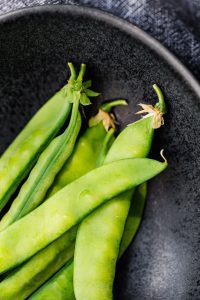
Photo of snap peas from Karolina Grabowska from Pexels

Air Fryer Snap Peas

Air fryer snap peas are a quick and delicious snack or side dish that highlights the natural sweetness and crispness...

Read More

Want To Learn More?

At Backyard Eats, we’re passionate about helping our clients discover and share the magic of homegrown good. Our Harvest Guides will teach you everything you need to know to harvest, store, and cook with fresh produce right from your own backyard! Our Harvest Toolkit Directory includes a list of all our step-by-step guides. Click below to give them a try!

Parsley

Cilantro leaves on wooden background

Harvest Guide

Parsley

Harvesting Parsley

When It’s Ready
  • Pick individual leaves when the plant reaches at least 4″ height
  • Pick handfuls of parsley leaves regularly to continuously stimulate growth of the plant
  • If harvesting a large amount, cut at the the plant at the base of the stem before it begins to flower
  • May – December
How To
  • Use a sharp knife or shears to clip stems and/or leaves away from the bush
Cilantro leaves on wooden background

Growing Parsley

Parsley is a herb with a fresh, slightly bitter, and slightly peppery flavor. It is a widely used ingredient in cuisines around the world. Parsley is typically used as a garnish or seasoning, and can be chopped and sprinkled over dishes to add flavor and visual appeal. It is also commonly used in salads, soups, stews, and sauces, and pairs well with a variety of other ingredients, including garlic, lemon, and olive oil.

Storing Parsley

Parsley can be used either fresh or dried.

Fresh Storage: Trim parsley stems and place in a jar of water like cut flowers. Replace water and remove wilted stems as needed.

Long-Term Storage: To dry, wash clipped leaves and spread out shallowly on screens in a warm, airy place. When thoroughly dry, rub and store in jars.

Cooking With Parsley

  1. Parsley Pesto: Blend fresh parsley leaves with garlic, Parmesan cheese, pine nuts or walnuts, olive oil, salt, and pepper. Use the vibrant and herbaceous parsley pesto as a sauce for pasta, a spread on sandwiches, or a marinade for grilled meats.
  2. Parsley Lemon Butter: Mix chopped parsley with softened butter, lemon zest, and a pinch of salt. This herb-infused butter can be used to enhance the flavors of steamed vegetables, grilled seafood, or spread on warm bread.
  3. Parsley Tabouleh: Combine chopped parsley with cooked bulgur wheat, diced tomatoes, cucumbers, red onions, lemon juice, and olive oil. Toss together to create a refreshing and nutritious tabouleh salad.
  4. Parsley Chimichurri: Blend parsley, garlic, red wine vinegar, olive oil, and a pinch of red pepper flakes to make a zesty chimichurri sauce. Drizzle it over grilled steak, roasted vegetables, or use it as a marinade for chicken.
  5. Parsley Garnish: Finely chop parsley leaves and use them as a garnish to add a pop of freshness and vibrant green color to various dishes. Sprinkle it over soups, stews, roasted meats, or sprinkle it on top of dips and spreads.

Recipes

Photo of sliced and roasted eggplant from Lucian Alexe from Unplash

Garlicky Eggplant

  Garlicky eggplant is a savory dish featuring tender eggplant slices sautéed with garlic and herbs, offering a rich and...

Read More
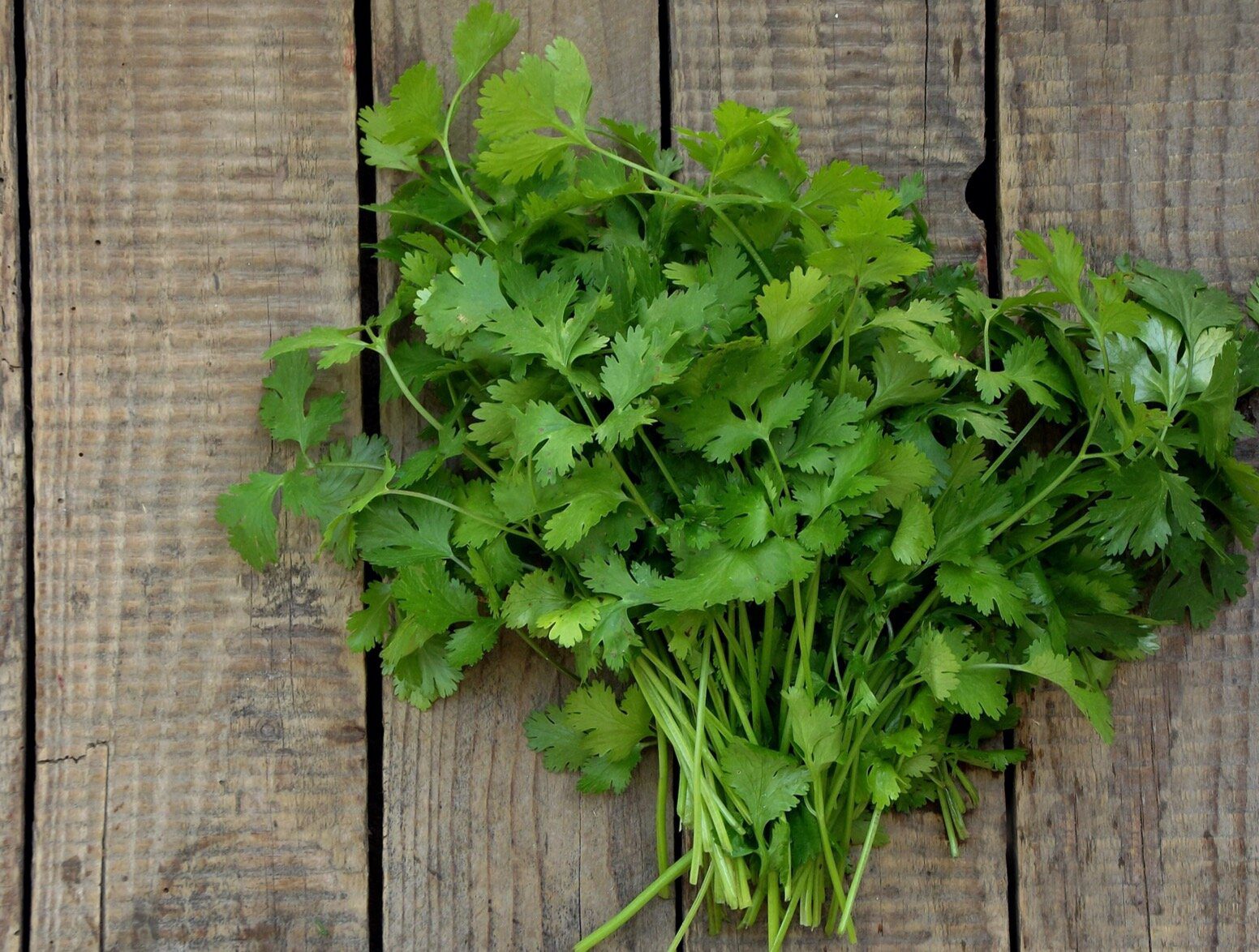
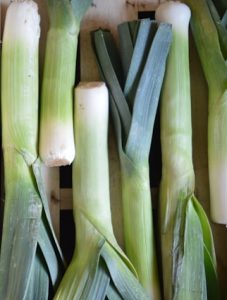
Photo of harvested and trimmed leeks from Lucy May from Unsplash

Leeks Vinaigrette

Enjoy the simplicity of our leeks vinaigrette, a dish that celebrates fresh flavors in every bite. Tender leeks are lightly...

Read More
Want To Learn More?

At Backyard Eats, we’re passionate about helping our clients discover and share the magic of homegrown good. Our Harvest Guides will teach you everything you need to know to harvest, store, and cook with fresh produce right from your own backyard! Our Harvest Toolkit Directory includes a list of all our step-by-step guides. Click below to give them a try!