Spinach and Feta Borek

Photo of baked dish being pulled from oven

Experience the savory delight of our spinach and feta borek, a timeless Mediterranean treat. Layers of delicate phyllo pastry encase a flavorful filling of spinach and creamy feta cheese, creating a harmonious blend of textures and tastes. With each bite, savor the richness of the cheese and the earthy freshness of the spinach, making this dish a true delight for the senses. Whether enjoyed as a hearty appetizer or a satisfying main course, our borek is sure to transport you to the sun-kissed shores of the Mediterranean with its delicious flavors.
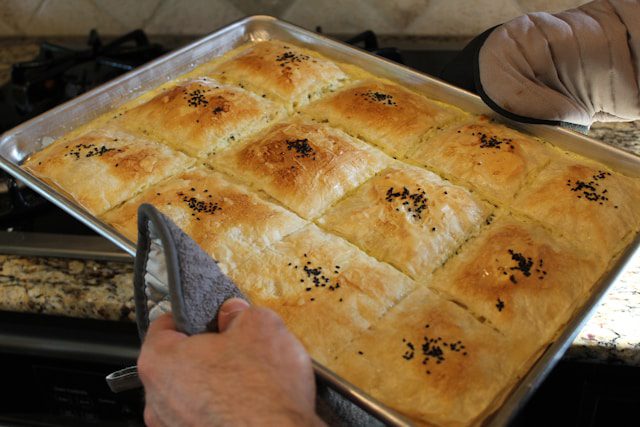
Photo of baked dish being pulled from oven

Spinach and Feta Borek

David Tanis
Indulge in the savory delight of spinach and feta borek, a traditional Turkish pastry featuring layers of flaky phyllo dough filled with a sumptuous blend of spinach, tangy feta cheese, and fragrant herbs, perfect for adding a Mediterranean twist to your springtime gatherings. This crispy, golden pastry offers a delightful fusion of flavors and textures, making it a deliciously satisfying addition to any seasonal spread.
Prep Time 15 minutes
Cook Time 30 minutes
Course Side Dish
Servings 8 servings

Ingredients
  

  • 1 lb baby spinach or other cooking greens sliced into 1/2" ribbons
  • 1 cup chopped parsley (from 1 small bunch)
  • 1 cup chopped fresh dill (from 1 small bunch)
  • 6 scallions, thinly sliced (about 3/4 cup)
  • 1 tsp dried oregano
  • 4 eggs beaten
  • Kosher salt and black pepper
  • 1/2 tsp Maras pepper or regular red pepper flakes
  • 8 oz crumbled feta (about 2 cups)
  • 4 oz grated Manchego or other sheep's milk cheese (1 cup)
  • 1/2 cup extra-virgin olive oil plus more as needed
  • 6 sheets phyllo dough

Instructions
 

  • Heat oven to 350° F. Make the filling: in a large bowl, combine spinach, parsley, dill, scallions, oregano and eggs and stir to incorporate. Season with salt and pepper, then add Maras pepper, feta and Manchego, and stir well.
  • Brush a 10-inch pie plate or skillet lightly with olive oil. (You can also use a 9x13" pan for a rectangular pie.) Line with 1 sheet of phyllo, letting the excess fall over the sides of the pan. Brush phyllo lightly with olive oil, then follow with 2 more sheets, brushing each with oil.
  • Pour the filling into the phyllo-lined pan, spreading it to the edges with the back of a spoon. Top with 3 more sheets of phyllo, brushing each sheet with olive oil before adding the next.
  • Fold the ends of the phyllo back over the top and towards the center of the borek, and brush with oil. With the palm of your hand, press down on the top layer to make the pie compact. (Alternatively, roll the excess toward the center to form a rim.)
  • Bake for 30 minutes, until golden. Let rest for a few minutes before cutting into wedges. The borek is also good served at room temperature.

Notes

This recipe was originally published by David Tanis for the NYT cooking blog.
This favorite recipe was contributed by a Backyard Eats client! She encourages home cooks to substitute ingredients as needed based their lifestyle or what's growing fresh in their garden.

Asparagus Risotto

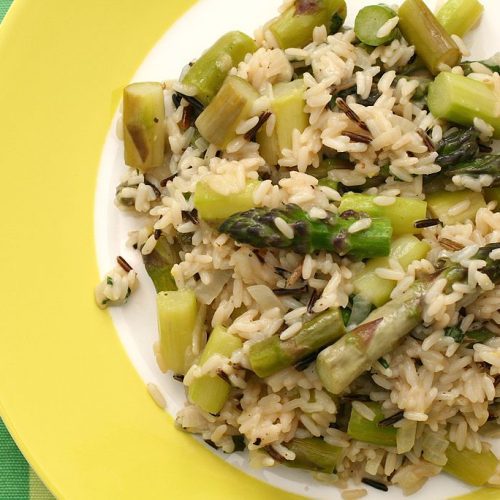
Photo of asparagus risotto from Katrin Morenz from Wikimedia Commons

Asparagus risotto is a creamy and flavorful dish that showcases the vibrant taste of asparagus in a comforting way. With a handful of ingredients and simple cooking techniques, you can create a delightful risotto that is both satisfying and indulgent. The tender asparagus spears, combined with the creamy Arborio rice, create a harmonious blend of textures and flavors. Whether enjoyed as a main course or as a side dish, asparagus risotto offers a delightful balance of earthy asparagus and creamy rice, resulting in a luxurious dish that will please your taste buds. Embrace the process of making this risotto and savor its deliciousness with every luscious spoonful.

Photo of asparagus risotto from Katrin Morenz from Wikimedia Commons

Asparagus Risotto

Love and Lemons
Asparagus risotto offers a delightful balance of earthy asparagus and creamy rice, resulting in a luxurious dish that will please your taste buds.
Prep Time 10 minutes
Cook Time 28 minutes
Total Time 38 minutes
Course Main Course, Side Dish
Servings 4 servings

Ingredients
  

  • 1 Tbsp extra-virgin olive oil
  • 2 cups chopped leeks
  • 1/2 tsp sea salt (or to taste)
  • 2 cloves garlic (minced)
  • 1 cup uncooked Arborio rice (rinsed)
  • 1/2 cup dry white wine
  • 4 cups vegetable broth (room temperature)
  • 1 bunch asparagus (tough ends trimmed, stalks chopped into small pieces)
  • 1 Tbsp fresh lemon juice
  • 2 Tbsp chopped chives
  • 1/4 cup fresh herbs (parsley, basil, tarragon, and/or dill, plus more for garnish)
  • Lemon zest (for garnish)
  • Grated pecorino cheese (optional)
  • Freshly ground black pepper (for garnish)

Instructions
 

  • Heat the olive oil in a large skillet or medium Dutch oven over medium heat. Add the leeks and season with the salt and a few grinds of pepper. Cook, stirring occasionally, for 4 to 5 minutes, or until soft. Add the garlic and stir to incorporate. Stir in the rice and let it cook for 1 minute. Stir in the wine and cook for another 1 to 2 minutes, or until the wine cooks down.
  • Add the broth, ¾ cup at a time, stirring continuously between each addition. Allow each addition of broth to be absorbed by the rice before adding the next. Add the asparagus with the last addition of the broth. Cook until the rice is al dente. The risotto should be soft and creamy.
  • Add the lemon juice, chives, and mixed herbs and season to taste. Garnish with the lemon zest and more herbs. Serve with grated cheese, if desired.

Notes

This recipe came from the Love and Lemons blog.

Dill-Pickled Green Beans

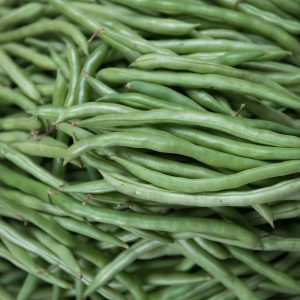
Photo of harvested green beans from Yulia Rozanova from Pexels

Dill-pickled green beans are a tangy and crunchy treat that showcases the natural freshness of green beans with the delightful flavor of dill. With minimal ingredients and simple preparation, you can create a homemade batch of pickled green beans that is both flavorful and versatile. The combination of the crisp green beans and the aromatic dill creates a delightful balance of textures and tastes. Whether enjoyed as a refreshing snack, a flavorful addition to salads, or a tangy accompaniment to sandwiches, dill-pickled green beans offer a burst of flavor that will tantalize your taste buds. Embrace the ease of making these pickles at home and savor their deliciousness with every crunchy bite.

Photo of harvested green beans from Yulia Rozanova from Pexels

Pickled Dilly Beans (Dill-Pickled Green Beans)

Ashley Adamant
Dill-pickled green beans are a tangy and crunchy treat that showcases the natural freshness of green beans with the delightful flavor of dill.
Course Side Dish

Equipment

  • Canning jars with lids and bands
  • Water bath canner

Ingredients
  

  • 2 lb green beans (ends trimmed)
  • 2.5 cups vinegar (5% acidity)
  • 1 cup water
  • 3 Tbsp canning salt
  • 3/4 tsp crushed red pepper flakes
  • 6 sprigs fresh dill
  • 3-6 cloves garlic (peeled)

Instructions
 

  • Wash beans and trim the stem ends.  Trim both ends if you like uniformity, but the tail end is the tender end so you can leave it intact.  I start by measuring one bean to 1 inch below jar height, and then cut them all to the same length so they pack well into the jar.
  • Pack the green beans into wide mouth pint jars and top each jar with 1/4 tsp. red pepper flakes, 2 dill sprigs and 1-2 garlic cloves.  Be sure to leave just over 1/2 inch headspace.
  • Combine vinegar, water and canning salt and bring to a boil on the stove to make a hot brine.  Pour the hot brine over the beans in jars, leaving 1/2 inch headspace.
  • Seal the jars with new canning lids, tighten on bands, and process in a water bath canner for 10 minutes adjusting for altitude.
  • Remove the jars from the canner and allow to stand at room temperature for a few hours until they've "popped" and completely sealed.  Store any unsealed jars in the fridge and use immediately.
  • For sealed jars, remove the canning bands and store in the pantry at room temperature.

Notes

This recipe is from Ashley Adamant at Creative Canning.

Creamy Cucumber Radish Salad

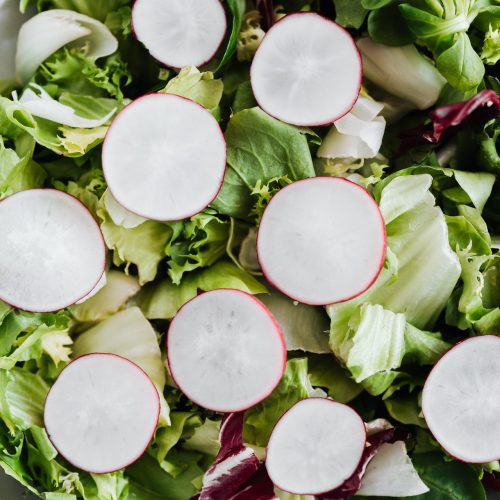
Photo of harvested radishes from Kulbir from Pexels

Creamy cucumber radish salad is a refreshing and delightful dish that combines the cool crunch of cucumbers with the crispness of radishes. With minimal ingredients and simple preparation, you can create a creamy and tangy salad that is both light and satisfying. The combination of the fresh cucumbers and peppery radishes creates a harmonious blend of flavors and textures. Whether enjoyed as a side dish or a refreshing snack, creamy cucumber radish salad offers a burst of freshness and a creamy dressing that complements the vegetables perfectly. Embrace the simplicity of making this flavorful salad and enjoy its refreshing taste with every bite.

Photo of salad with radishes from Wild Hearth and Home

Creamy Cucumber Radish Salad

Taesha Butler
Creamy cucumber radish salad is a refreshing and delightful dish that combines the cool crunch of cucumbers with the crispness of radishes.
Prep Time 10 minutes
Total Time 10 minutes
Course Salad
Servings 4 servings

Ingredients
  

  • 4 mini or Persian cucumbers (or 1 large English cucumber)
  • 1 bunch radishes
  • 3 Tbsp chopped fresh dill (or 2 tsp dried dill)
  • 1/4 cup chopped fresh chives (or 1/2 cup thinly sliced scallions)
  • 1/3 cup plain Greek yogurt
  • 2 Tbsp extra-virgin olive oil
  • 2 tsp red wine vinegar (or apple cider vinegar)
  • 1 tsp honey
  • 1/2 tsp kosher salt
  • 1/4 tsp garlic powder
  • Freshly ground black pepper (to taste)

Instructions
 

  • Thinly slice radishes and cucumbers using either a sharp knife or a mandolin.
  • Place thinly sliced cucumbers, radishes, dill, and chives in a large bowl. Mix to combine.
  • In a separate bowl or large liquid measuring cup, whisk together the yogurt, olive oil, vinegar, honey, salt, garlic powder, and pepper.
  • Pour dressing over the vegetables and toss to coat. Once dressing is mixed with the cucumbers, the cucumbers begin to release liquid, so the salad is best when eaten right away.
  • To make ahead, cover and store the vegetables and dressing separately in the refrigerator for up to a day. Toss with dressing, then serve.

Notes

If you are using a regular (not Persian or English) cucumber, you will want to peel it and remove some of the seeds. To remove the seeds, cut the cucumber in half lengthwise then use a spoon to scoop out some of the seeds. Discard the seeds then slice the cucumber into thin half circles.
What kind of yogurt to use: I like using a whole milk or 2% plain Greek yogurt for this recipe. However, you can use any kind of plain Greek yogurt you like. Regular yogurt will not work as well in this recipe because it has too much liquid and the dressing will not be thick enough to coat the vegetables.
Instead of yogurt, you could use sour cream or a mixture of mayonnaise and either yogurt or sour cream.
Sweetener: I like to add a touch of honey to balance out the sour flavor of the yogurt and vinegar. Instead of honey you can use white sugar or any other sweetener of your choice to taste. You can also leave it out if you prefer, but the dressing will be a little tangier.
This recipe is courtesy of Taesha Butler at The Natural Nurturer.

Tzatziki Sauce

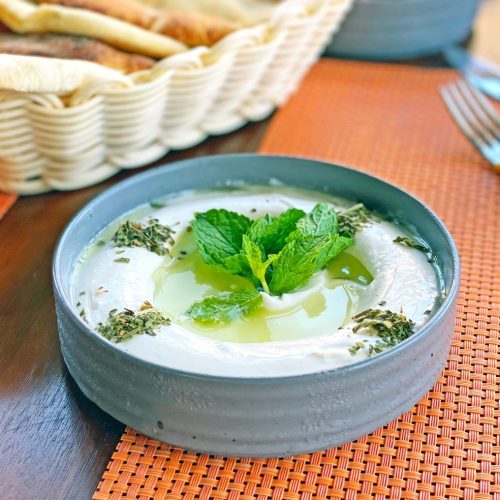
Photo of tzatziki from Shameel Mukkath from pexels

Tzatziki sauce is a refreshing and versatile condiment that adds a burst of flavor to a variety of dishes. With just a few simple ingredients, you can create a creamy and tangy sauce that complements Mediterranean flavors perfectly. The combination of creamy Greek yogurt, fresh cucumber, garlic, and dill creates a harmonious blend of flavors that is both cooling and refreshing. Whether used as a dip for pita bread, a sauce for grilled meats, or a dressing for salads, tzatziki sauce adds a delightful zing to your culinary creations. Experience the joy of making this flavorful sauce at home and elevate your dishes with its irresistible taste.

Photo of tzatziki from Shameel Mukkath from pexels

Tzatziki Sauce

Love and Lemons
With just a few simple ingredients, you can create a creamy and tangy sauce that complements Mediterranean flavors perfectly.
Prep Time 5 minutes
Course Ingredient
Servings 4 people

Ingredients
  

  • 1/2 cup cucumber (finely grated)
  • 1 cup whole milk Greek yogurt
  • 1 Tbsp lemon juice
  • 1/2 Tbsp extra-virgin olive oil
  • 1 clove garlic (grated)
  • 1/4 tsp sea salt
  • 1 Tbsp fresh dill (chopped)
  • 1 Tbsp fresh mint (chopped, optional)

Instructions
 

  • Place the cucumber on a towel and gently squeeze out a bit of the excess water.
  • In a medium bowl, combine the cucumber, yogurt, lemon juice, olive oil, garlic, salt, dill, and mint, if using.
  • Chill until ready to use.

Notes

This recipe is courtesy of Love and Lemons.

How To Dry Fresh Dill

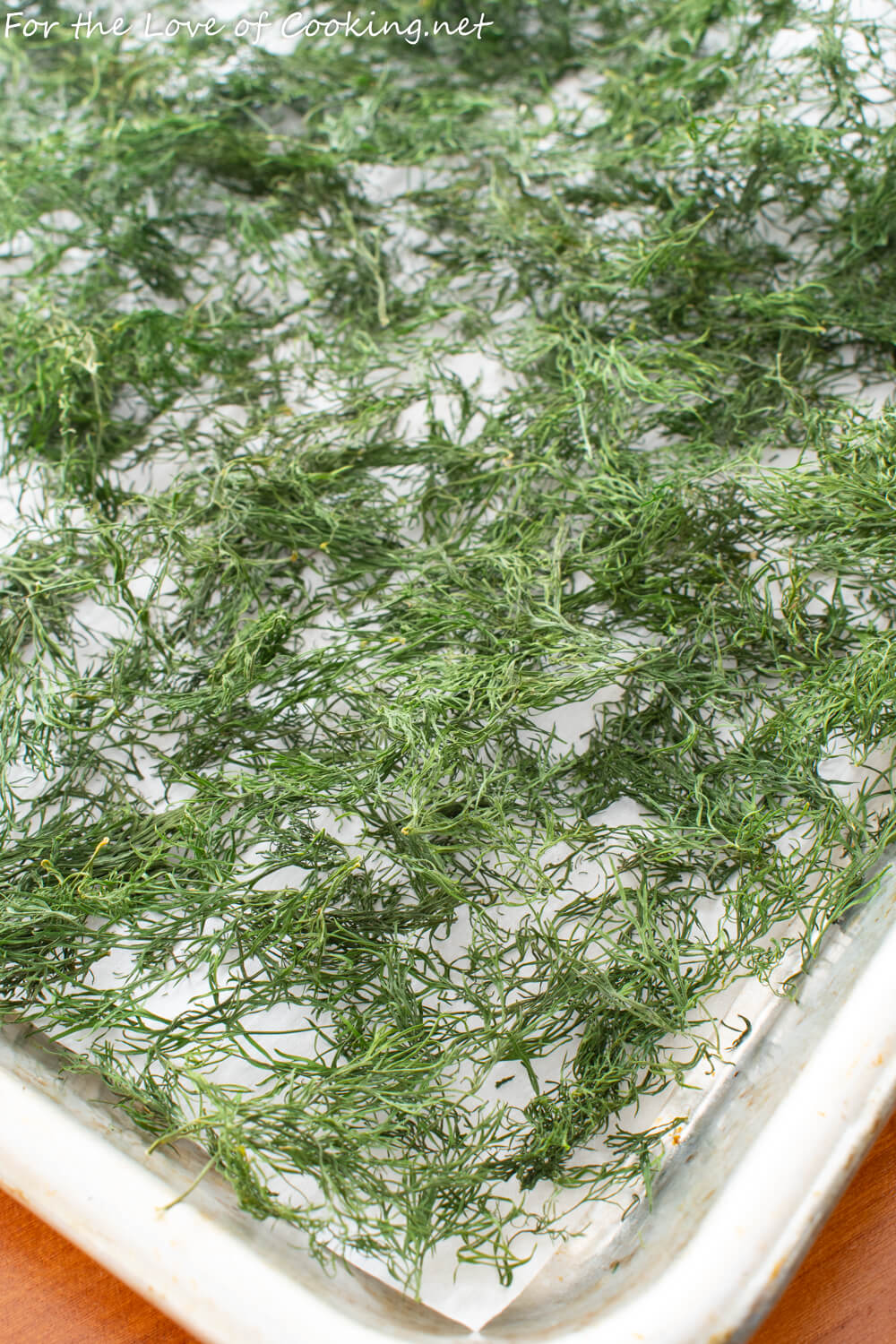
Dill fronds with plant label

Dill, with its delicate leaves and distinctive flavor, is a versatile herb that adds a touch of freshness to various culinary creations. Drying dill is a straightforward and effective method to extend its shelf life and ensure a ready supply of this flavorful herb throughout the year. By following a few simple steps, you can successfully dry dill, preserving its aromatic qualities and allowing you to savor its unique taste in your dishes long after the growing season has passed. Join us as we unravel the art of drying dill and discover how to harness its essence in your kitchen.

How To Dry Fresh Dill

Drying dill is a straightforward and effective method to extend its shelf life and ensure a ready supply of this flavorful herb throughout the year.
Course: Ingredient
Author: Pam from For The Love of Cooking

Materials

  • Cloth towels or paper towels
  • Baking sheet
  • Parchment paper or Silpat mat
  • Small glass jar or spice jar

Instructions

  • Preheat the oven to 225 degrees F. Line a baking sheet with parchment paper or a Silpat mat.
  • Wash the fresh dill sprigs in cold water then dry very well on a towel or a few paper towels.
  • Remove all the stems from the dill sprigs and place them on a dry towel. Once all the stems are removed, pat them dry one more time.
  • Evenly scatter the dill on the prepared baking sheet.
  • Place the baking sheet in the oven for 25 minutes, then check to see how the dill is doing. If it’s really dry and crumbles easily, remove it from the oven, if it’s not, keep it in the oven for another 5-10 minutes, as needed until dried.
  • Remove from the oven and allow to cool for 10-15 minutes.
  • Roll it up in the parchment paper and crinkle it with your hands until it’s crushed well. Pour into a small glass jar or spice jar and keep stored sealed with an airtight lid in a cool dry place.

Notes

This recipe is courtesy of Pam from The Love of Cooking.

Quick Pickle Recipe

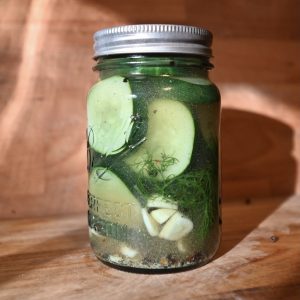
Pickled cucumbers in a glass jar

“Abundance is not something we acquire. It is something we tune into.”
– Wayne Dyer

I love a good mindset shift – an idea that only requires you to think differently about a problem or something you want, that unlocks your potential in an instant – even if true change takes time. I also love pickles.

That’s what makes this quote from Wayne Dyer perfectly pertinent to quick pickling. Contrary to popular belief, pickling isn’t just for cucumbers! You can turn many vegetables from the spring garden into crisp, tangy snacks such as turnips and radishes. Quick pickles make a fun addition to salads, sandwiches, tacos, and more.

Unlike traditional canning, quick pickles are as fast and easy to make as boiling water and pouring it over a few ingredients in a glass jar. For best results, use the freshest vegetables. Keep reading to learn what herbs and spices you can add to enhance your veggies’ flavor! Soon you’ll have delicious snacks to share with friends and family.


Pickled cucumbers in a glass jar

Quick Pickle Recipe

Founder
Unlike traditional canning, quick pickles are as fast and easy to make as boiling water and pouring it over a few ingredients in a glass jar.
Prep Time 10 minutes
Cook Time 0 minutes
Resting Time 1 day
Total Time 1 day 10 minutes
Course Side Dish, Snack

Equipment

  • 1 quart mason jar (or any heat-proof container that you can pour boiling water into)

Ingredients
  

Pickling Ingredients

  • 1 pound fresh vegetables (sliced)
  • 2 cloves garlic (smashed)
  • 2 tsp whole peppercorns (you can also use coriander and/or mustard seeds)
  • 1-2 sprigs fresh herbs (e.g. thyme, dill, and or/rosemary)

Brine Ingredients

  • 1 cup vinegar (white, apple cider, or rice vinegar)
  • 1 cup water
  • 1 Tbsp kosher salt
  • 1 Tbsp sugar

Instructions
 

  • Wash jar(s) with soap and hot water and let dry.
  • Thinly slice fresh vegetables into bite-sized pieces. Smash 2 cloves of garlic with the flat side of a knife, or the clean heel of your hand.
  • Pack vegetables, garlic, spices, and herbs into a mason jar, leaving at least 1/2” of "breathing room" at the top.
  • Put the brine ingredients in a saucepan over medium heat. Stir to dissolve ingredients, and bring to a boil.
  • Pour the hot brine into the jar(s), still leaving at least 1/2” room at the top.
  • Tap the side of the jar(s) to remove any air bubbles.
  • Let the jar(s) cool to room temperature before refrigerating. Wait 24-48 hours before eating for the best flavor.

Notes

Depending on how carefully these quick pickles are prepared and stored, they may last up to 2 months in the refrigerator. They are not fully preserved, however, and so they cannot be stored unrefrigerated or stored indefinitely.