Cut Flowers

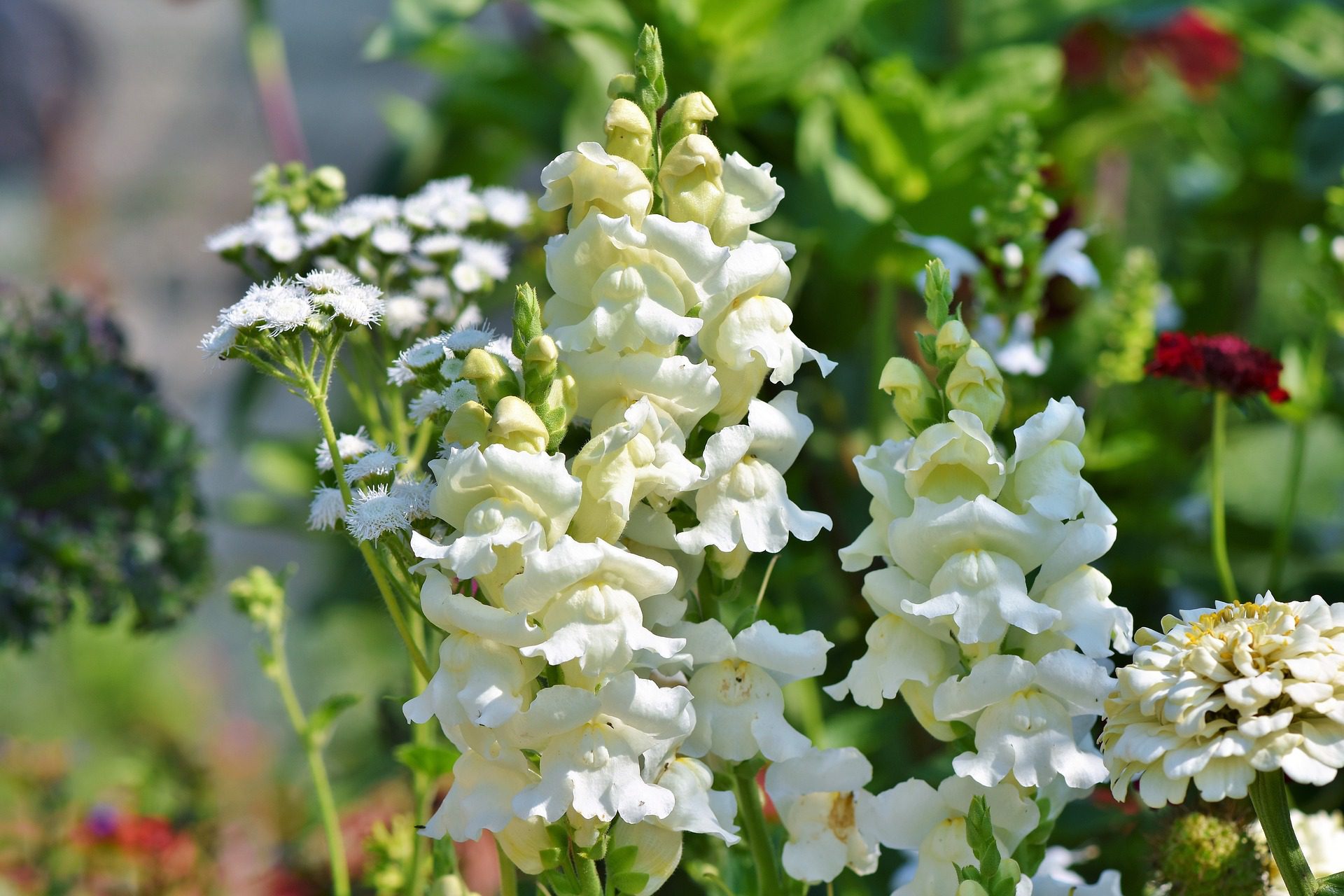
White snapdragon blooms

Harvest Guide

Cut Flowers

Harvesting Cut Flowers

When It’s Ready
  • When they look like flowers! Don’t wait too long after they open.
How To
  • Use sharp scissors to cut the stem, leaving enough room to arrange

  • For best results, cut when flowers are cool and hydrated (morning or evening)

Storage
  • Place cut flowers immediately in a clean container with water in the bottom to maintain freshnes
White snapdragon blooms

About Cut Flowers

Cut flowers come in a wide variety of colors, shapes, and sizes, and can be annuals, perennials, or biennials. They are a popular choice for home decoration, as well as for weddings, parties, and other special events. With proper care, cut flowers can last for several days or even weeks, bringing beauty and fragrance to any space.

Varieties of Cut Flowers

Beneficial Insect Attractant Mix | Cosmos ‘Seashell Mix’ | Dahlia Giant Hybrid Mix | Dwarf Sunflower | Gomphrena ‘Audray White’ | Marigold ‘French Mix’ | Snapdragon | Strawflower ‘Apricot/Peach Mix’ | Zinnia ‘Magellan Series Mix’

Recipes

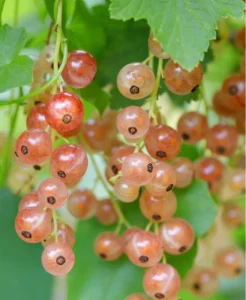
Currant Lemonade

A fresh take on a classic lemonade that uses black, red, or champagne currants to create a floral and tangy...

Read More
Want To Learn More?

At Backyard Eats, we’re passionate about helping our clients discover and share the magic of homegrown good. Our Harvest Guides will teach you everything you need to know to harvest, store, and cook with fresh produce right from your own backyard! Our Harvest Toolkit Directory includes a list of all our step-by-step guides. Click below to give them a try!

Cucumber

Collection of harvested cucumbers

Harvest Guide

Cucumber

Harvesting Cucumbers

When It’s Ready
  • When the individual cucumbers grow anywhere from 6-12 inches long and about 1-3 inches in diameter
  • It’s never too early to harvest a cucumber
  • Early-mid July – September
When It’s Too Late
  • As cucumbers grow past the point of maturity, their seeds grow into an expanding seed cavity, making them less useful in the kitchen
  • You can still use them at this stage though, just slice lengthwise and use a spoon to scoop out the seeds
  • Cucumbers that have grown so large that the skin is pale and the walls give easily when pushed are usually not so tasty
How To
  • Gently pull cucumbers from their vines by hand, or use scissors
  • Be careful not to break the vines
Collection of harvested cucumbers

Growing Cucumbers

Cucumber is a vegetable that is known for its crisp texture and refreshing taste. It has a mild, slightly sweet flavor, and is often used as a cooling ingredient in salads and other dishes. Cucumber is typically used as a salad ingredient, and can be eaten raw or pickled. It can be sliced, diced, or chopped into small pieces, and used as a topping to sandwiches. Cucumber is also a popular ingredient in gazpacho and spring rolls.

Varieties of Cucumbers

Long Asian Cucumber | Slicing Cucumber

Storing Cucumbers

Wash, dry, and store in a container or bag in the crisper drawer of the refrigerator. Allow to come to room temperature for the best flavor.

Cucumbers can be refrigerated for 1 to 2 weeks, but pickling is the best method for long-term storage.

Cooking With Cucumbers

  1. Cucumber Salad: Thinly slice cucumbers and toss them with sliced red onions, fresh dill, a splash of vinegar (such as rice vinegar or apple cider vinegar), salt, and pepper. This simple and refreshing salad is perfect for hot summer days.
  2. Cucumber Water: Infuse water with cucumber slices for a refreshing and hydrating drink. Add a few mint leaves or a squeeze of lemon for extra flavor. It’s a healthy alternative to sugary beverages.
  3. Tzatziki Sauce: Grate cucumbers and squeeze out the excess moisture. Mix them with Greek yogurt, minced garlic, fresh dill, lemon juice, salt, and pepper to make a creamy and tangy tzatziki sauce. Serve it with grilled meats, falafel, or as a dip for pita bread.
  4. Cucumber Sushi Rolls: Use cucumber slices as a replacement for seaweed to make a lighter and carb-free sushi roll. Fill them with avocado, carrots, crab sticks, or your choice of sushi fillings. Slice into bite-sized pieces and enjoy with soy sauce and wasabi.
  5. Cucumber Gazpacho: Blend cucumbers with tomatoes, bell peppers, garlic, olive oil, and a splash of vinegar to create a refreshing chilled soup. Season with salt, pepper, and herbs like basil or cilantro. Serve it as a starter or a light summer meal.

Recipes

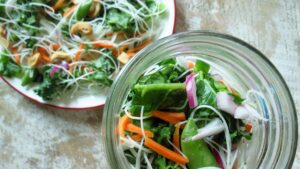
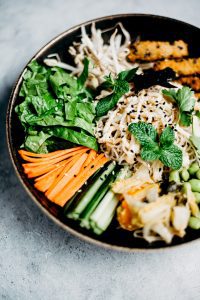
Photo of cold noodle salad from Correen from Unsplash

Sweet Pepper Slaw

  Sweet pepper slaw is a crisp and colorful blend of shredded cabbage and sweet peppers, dressed in a tangy...

Read More
Photo of a panzanella salad from Whats4eats

Summer Panzanella with Squash

Savor the vibrant flavors of summer with a delightful Summer Panzanella featuring freshly harvested pattypan squash. This garden-to-table recipe celebrates...

Read More

Want To Learn More?

At Backyard Eats, we’re passionate about helping our clients discover and share the magic of homegrown good. Our Harvest Guides will teach you everything you need to know to harvest, store, and cook with fresh produce right from your own backyard! Our Harvest Toolkit Directory includes a list of all our step-by-step guides. Click below to give them a try!

Collard Greens

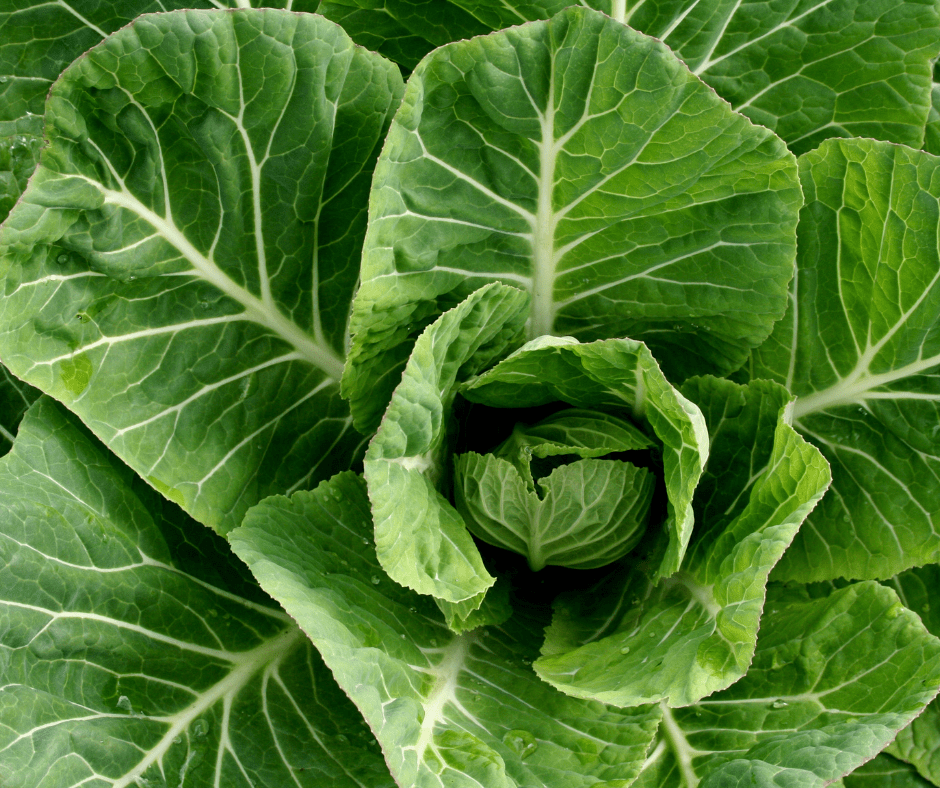
Photo of collard green leaves from MedicalNewsToday

Harvest Guide

Collard Greens

Harvesting Collard Greens

When It’s Ready
  • Start picking outer leaves when plants are 1 foot tall
  • The optimal time to harvest is late fall
  • Frosts improve flavor without harming collards
How To
  • Snap or cut mature leaves at the base near its connection to the crown
  • Harvest the biggest couple of leaves from each plant
  • Leave smaller inner leaves to continue growing. New leaves will grow for harvest in 1-2 weeks
Photo of collard green leaves from MedicalNewsToday

Growing Collard Greens

Collard greens are a leafy vegetable that are known for their dark green color and slightly bitter taste. Collard greens are typically used as a cooking ingredient, and can be boiled, sautéed, or steamed. They are often used in Southern cuisine, where they are traditionally simmered with ham hocks or other smoked meats for flavor. Collard greens can also be used as a healthy alternative to tortillas or bread, and are sometimes used as a wrap for sandwiches or other fillings.

Storing Collard Greens

Fresh is best for this vegetable, but here are some tips if you can’t cook the day of harvest.

Fresh Storage: Place in airtight bags or containers and refrigerate. Don’t crush leaves, but it’s ok to compress gently to save on bag space.

Long-Term Storage: Freeze whole leaves: Blanch in boiling water, dunk in ice bath to retain color, dry, and freeze in storage bag.

Cooking With Collard Greens

  1. Southern-Style Collard Greens: Sauté chopped collard greens with onions, garlic, and smoked ham hock or bacon for a traditional Southern dish. Slow cook the greens in broth or water until they are tender and flavorful. Season with salt, pepper, and a dash of vinegar for an authentic taste.
  2. Collard Green Wraps: Use blanched or steamed collard green leaves as a healthy and gluten-free alternative to tortillas. Fill them with your favorite ingredients such as hummus, roasted vegetables, grilled chicken, or tofu for a nutritious and satisfying wrap.
  3. Collard Green Salad: Massage chopped collard greens with lemon juice or a vinaigrette dressing to soften their texture. Toss them with diced tomatoes, cucumbers, and avocado for a refreshing and nutrient-packed salad.
  4. Collard Green Stir-Fry: Stir-fry collard greens with other vegetables like bell peppers, onions, and mushrooms. Add soy sauce, ginger, and garlic for a flavorful Asian-inspired stir-fry. Serve it over rice or noodles for a complete meal.
  5. Collard Green Chips: Toss collard green leaves with olive oil, salt, and your choice of seasonings (such as paprika or cayenne pepper). Bake them in the oven until they become crispy, creating a healthier alternative to potato chips.

Recipes

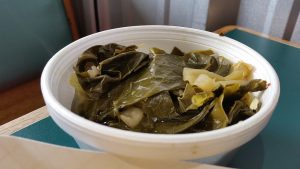
Photo of cooked collard greens from RightCowLeftCoast from Wikimedia Commons

Quick Collard Greens

Quick collard greens are a flavorful and nutritious side dish that can be prepared in no time. With minimal ingredients...

Read More

Want To Learn More?

At Backyard Eats, we’re passionate about helping our clients discover and share the magic of homegrown good. Our Harvest Guides will teach you everything you need to know to harvest, store, and cook with fresh produce right from your own backyard! Our Harvest Toolkit Directory includes a list of all our step-by-step guides. Click below to give them a try!

Dill

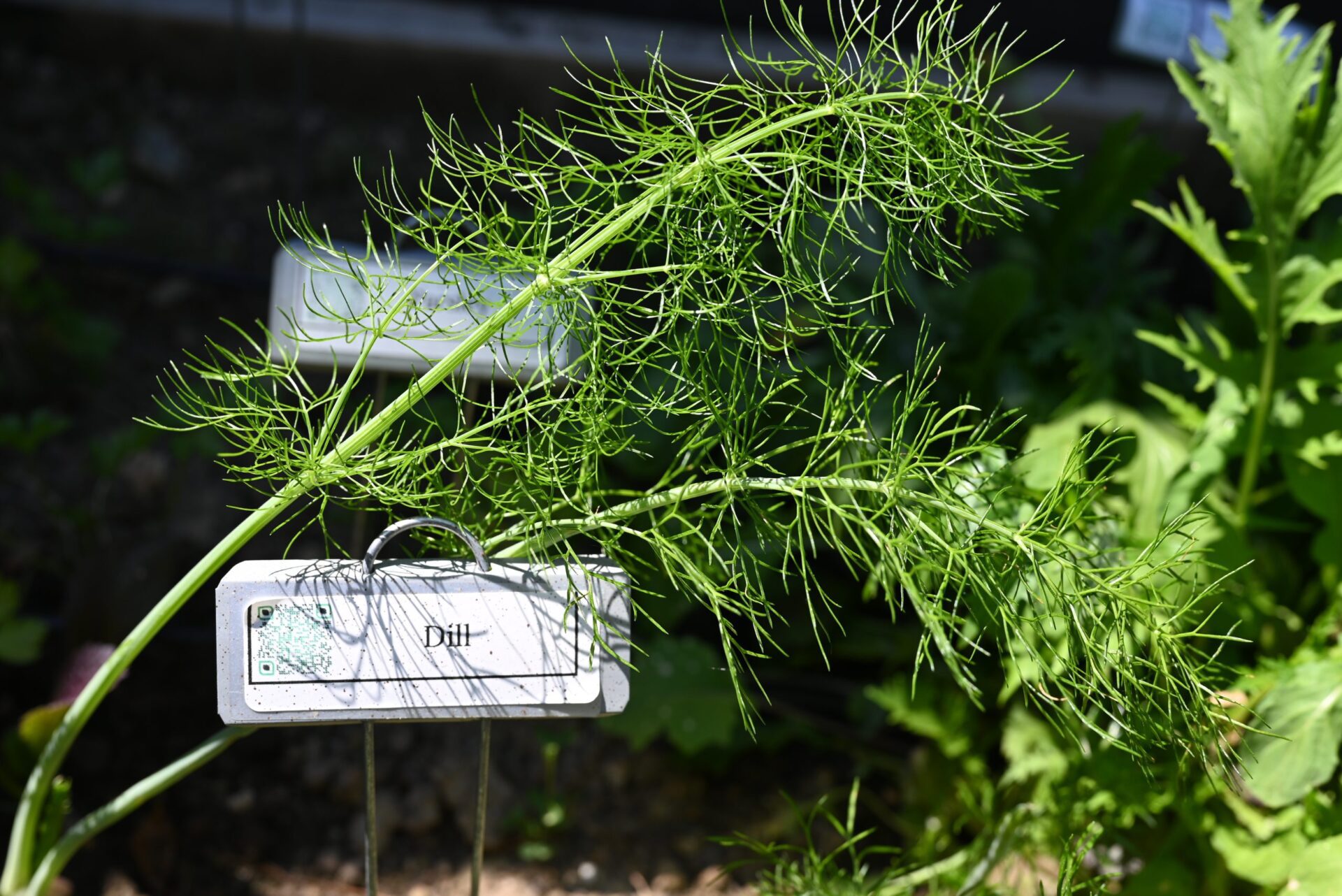
Dill fronds with plant label

Harvest Guide

Dill

Harvesting Dill

When It’s Ready
  • When the plant has unfurled green leaves
  • When the plant is 4-6 inches tall
  • May – mid-late June


When It’s Too Late
  • Dill produces flowers and seeds in less than 2 months (much faster in the heat of summer)
  • When this happens, plants stop replacing harvested leaves with new ones, opting for upright growth and flowering instead
  • Harvest frequently, until leaf yield is too little to warrant harvest


How To
  • Pick a few leaves or stems if that’s all you need
  • Clear-cut stems at the base of the plant with a sharp serrated knife or scissors if a larger quantity is needed
  • Leave a couple inches of stem and some bottom leaves to allow for regrowth.
  • Dill will regrow 2-3 weeks after harvest
Dill fronds with plant label

Growing Dill

Dill is a fragrant herb that is commonly used in cooking to add flavor and aroma to a variety of dishes. It has a unique taste that is slightly sweet, with a hint of tanginess and a subtle anise-like flavor. Dill can be used in a variety of recipes, including soups, stews, salads, and sauces. One popular way to use dill is in dips and spreads, such as tzatziki or hummus. Another popular use for dill is in fish dishes.

Storing Dill

Fresh Storage: Trim stems and put in a glass with water and bag over the top. Leave on the counter, or place in the refrigerator for added storage time. Change water daily.

Of course, you can just put leaves in airtight bags or containers and refrigerate. Wash before using.

Long-Term Storage: Freezing in ice cubes (most convenient). Due to it’s high moisture content, dill does not air-dry as well as herbs like rosemary. You can use a dehydrator or oven with a low temperature setting to dry dill for long-term storage.

Fresh is best: Consider adding raised beds or elevated planters close to the kitchen so you can grab these herbs while you’re cooking.

Cooking With Dill

  1. Dill Potato Salad: Toss boiled and diced potatoes with a dressing made from mayonnaise, sour cream, chopped dill, Dijon mustard, and a squeeze of lemon juice. Season with salt and pepper for a creamy and herbaceous potato salad.
  2. Lemon-Dill Baked Salmon: Season salmon fillets with salt, pepper, and a generous amount of chopped dill. Drizzle with lemon juice and bake until the fish is flaky and the dill creates a fragrant crust.
  3. Dill Yogurt Sauce: Mix chopped dill with Greek yogurt, minced garlic, lemon zest, salt, and pepper. Use it as a refreshing and tangy sauce for grilled meats, roasted vegetables, or as a condiment for falafel or gyros.
  4. Dill Pickles: Create your own homemade dill pickles by brining cucumbers in a mixture of water, vinegar, salt, garlic, and fresh dill sprigs. Let them sit in the refrigerator for a few days to develop a deliciously tangy and dill-infused flavor.
  5. Dill Butter: Mix softened butter with chopped dill, minced garlic, salt, and a squeeze of lemon juice. Use it to top steamed vegetables, grilled corn on the cob, or spread it on crusty bread for a flavorful and herb-infused butter.

Recipes

Photo of baked dish being pulled from oven

Spinach and Feta Borek

Experience the savory delight of our spinach and feta borek, a timeless Mediterranean treat. Layers of delicate phyllo pastry encase...

Read More
Photo of asparagus risotto from Katrin Morenz from Wikimedia Commons

Asparagus Risotto

Asparagus risotto is a creamy and flavorful dish that showcases the vibrant taste of asparagus in a comforting way. With...

Read More

Want To Learn More?

At Backyard Eats, we’re passionate about helping our clients discover and share the magic of homegrown good. Our Harvest Guides will teach you everything you need to know to harvest, store, and cook with fresh produce right from your own backyard! Our Harvest Toolkit Directory includes a list of all our step-by-step guides. Click below to give them a try!

Cilantro

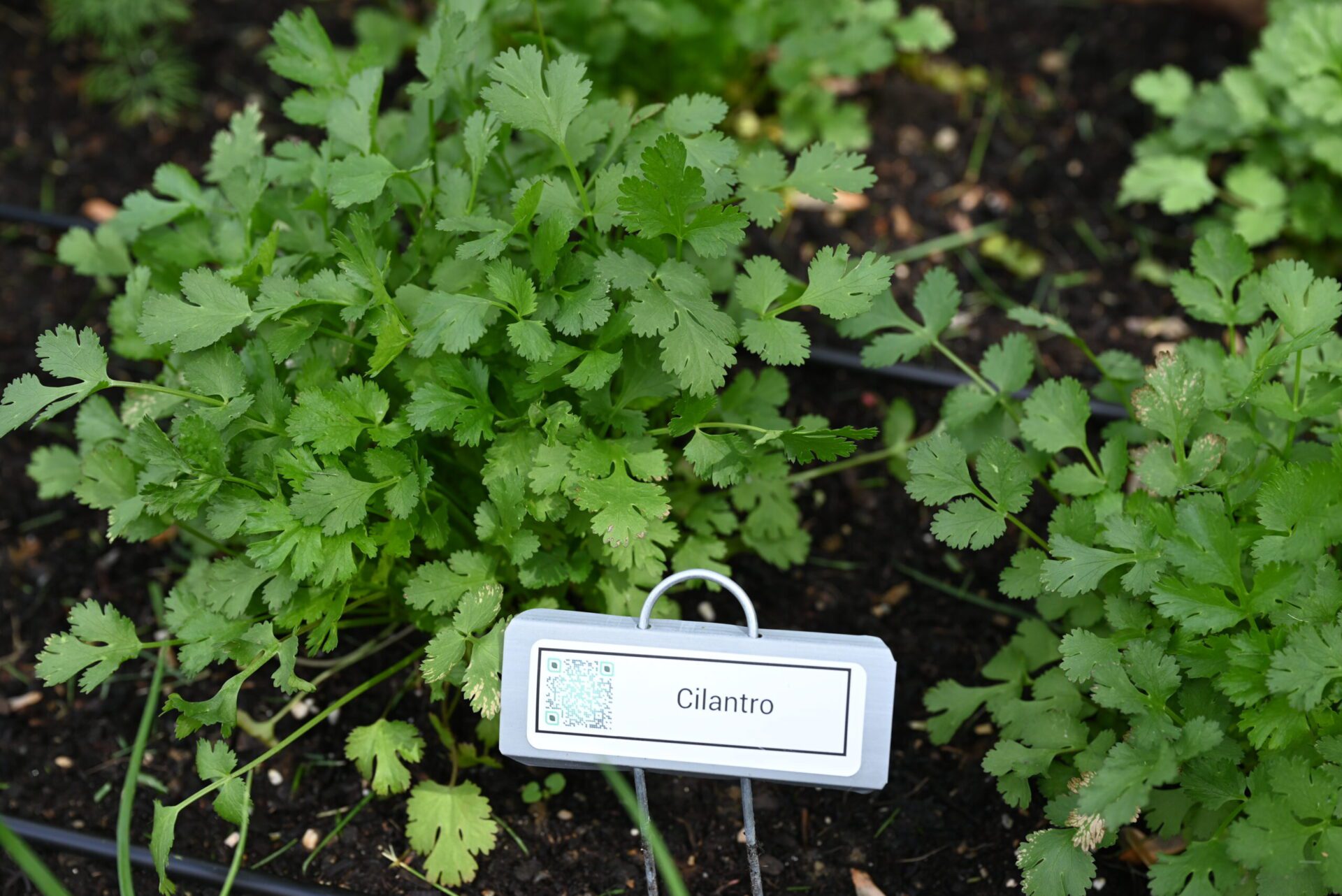
Cilantro and a metal plant label

Harvest Guide

Cilantro

Harvesting Cilantro

When It’s Ready
  • When the plant has unfurled green leaves
  • When the plant is 4-6 inches tall
  • Mid-may – late June
When It’s Too Late
  • Cilantro produces flowers and seeds in less than 2 months (much faster in the heat of summer)
  • When this happens, plants stop replacing harvested leaves with new ones, opting for upright growth and flowering instead
  • Harvest frequently, until leaf yield is too little to warrant harvest
How To
  • Pick a few leaves or stems if that’s all you need
  • Clear-cut stems at the base of the plant with a sharp serrated knife or scissors if a larger quantity is needed
  • Leave a couple inches of stem and some bottom leaves to allow for regrowth.
  • Cilantro will regrow 2-3 weeks after harvest
Cilantro and a metal plant label

Growing Cilantro

Cilantro is a fresh and flavorful herb that is commonly used in cooking to add a bright and zesty flavor to a variety of dishes. It has a distinctive taste that is slightly citrusy and slightly peppery, with hints of sweetness and a touch of bitterness. Cilantro is often used in Mexican, Latin American, and Asian cuisines. It is a key ingredient in guacamole, salsa, and pico de gallo, as well as in many soups, stews, and sauces.

Storing Cilantro

Fresh Storage: Trim stems and put in a glass with water and bag over the top. Leave on the counter, or place in refrigerator for added storage time. Change water daily.

Of course, you can just put leaves in airtight bags or containers and refrigerate. Wash before using.

Long-Term Storage: Freezing in ice cubes (most convenient). Due to it’s high moisture content, cilantro does not air-dry as well as herbs like rosemary. You can use a dehydrator or oven with a low temperature setting to dry cilantro for long-term storage.

Cooking With Cilantro

  1. Fresh Salsa: Combine chopped cilantro with diced tomatoes, onions, jalapeños, lime juice, and salt for a zesty and refreshing salsa. Serve it with tortilla chips, tacos, or grilled meats for a burst of flavor.
  2. Cilantro Lime Rice: Add chopped cilantro and a squeeze of lime juice to cooked rice. Mix well to infuse the rice with a bright and citrusy flavor. This aromatic side dish pairs perfectly with Mexican or Asian-inspired meals.
  3. Cilantro Pesto: Blend cilantro leaves, garlic, pine nuts, Parmesan cheese, and olive oil to create a vibrant cilantro pesto. Use it as a sauce for pasta, a spread on sandwiches, or a marinade for grilled chicken or fish.
  4. Thai Green Curry: Add chopped cilantro stems and leaves to a Thai green curry paste along with coconut milk, vegetables, and your choice of protein. Simmer until the flavors meld together and serve with steamed rice for a fragrant and delicious curry.
  5. Cilantro-Lime Dressing: Blend cilantro, lime juice, garlic, honey, olive oil, and a pinch of salt to make a tangy and herbaceous dressing. Drizzle it over salads, roasted vegetables, or use it as a marinade for grilled shrimp or chicken.

Recipes

Want To Learn More?

At Backyard Eats, we’re passionate about helping our clients discover and share the magic of homegrown good. Our Harvest Guides will teach you everything you need to know to harvest, store, and cook with fresh produce right from your own backyard! Our Harvest Toolkit Directory includes a list of all our step-by-step guides. Click below to give them a try!

Chives

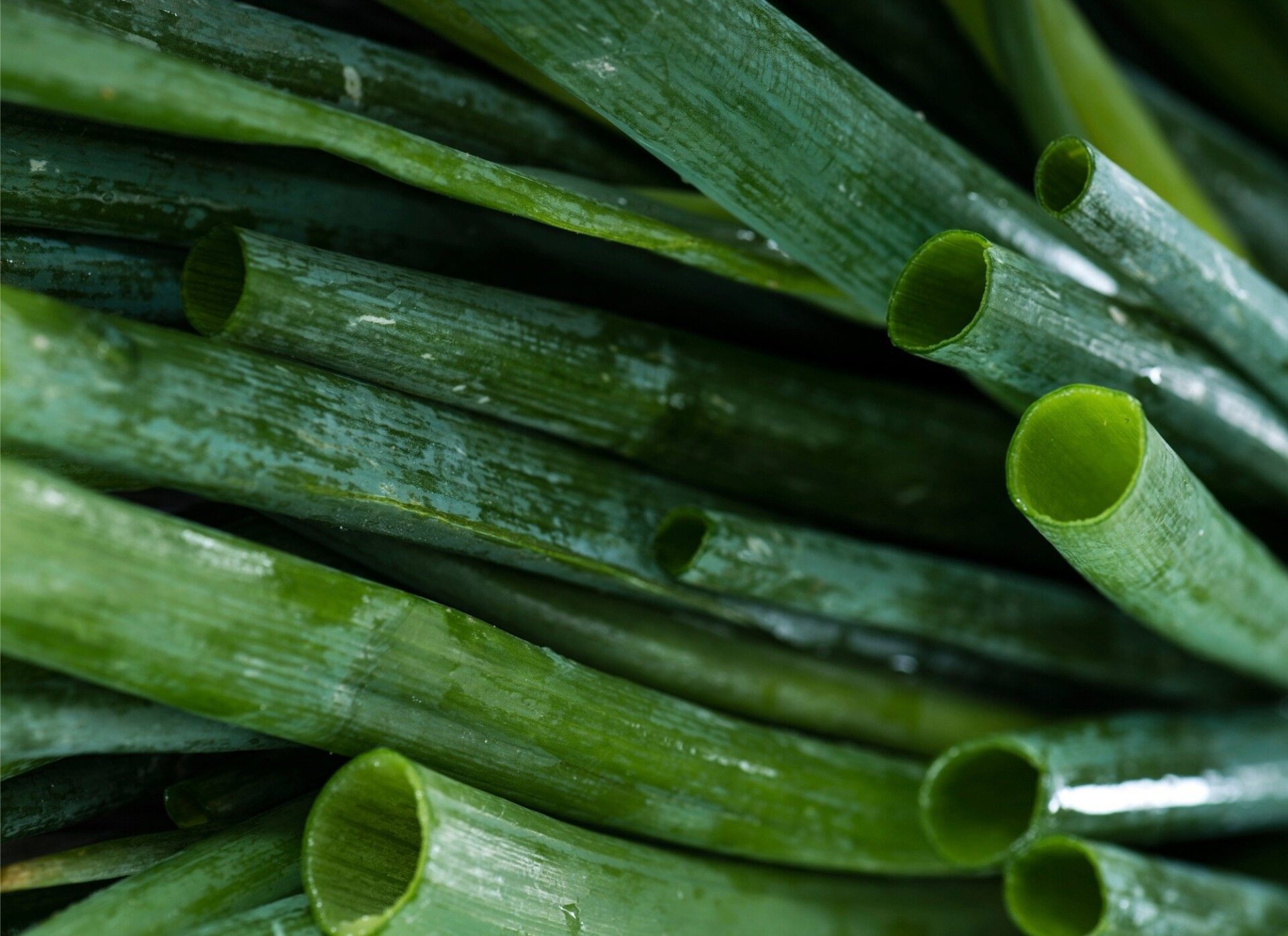
Detail view of chive or scallion stems cut in half

Harvest Guide

Chives

Harvesting Chives

When It’s Ready
  • When plants are established and grow long green stalks
  • Late March – November
When It’s Too Late
  • When plants have gone to flower (aka bolted), which makes them bitter and unpalatable
How To
  • Harvest purple flower tops in late spring/summer before they go to seed. These make a great addition to salads as a garnish. Break open flower pods and sprinkle on top.
  • To harvest green stalks, cut stems at the base of the plant with a sharp pair of scissors. Harvest 3-4 times per season.
Detail view of chive or scallion stems cut in half

Growing Chives

Chives are a delicate and flavorful herb that is commonly used in cooking to add a subtle onion-like flavor and aroma to a variety of dishes. Chives are often used as a garnish or seasoning for salads, soups, and sauces, as well as for toppings on baked potatoes, omelets, and other dishes. When using chives in cooking, it is important to chop them finely to release their full flavor. They can be added to dishes at the end of cooking, to preserve their delicate taste and texture.

Storing Chives

Chives can be used as a fresh garnish, cooked in a variety of ways, and can be preserved for long-term use.

Fresh Storage: Place in airtight bags or containers and refrigerate for 1-2 weeks.

Long-Term Storage: To dry, cut bundles into 1/4- 1/2″ lengths. Spread one layer on a screen, allowing for air circulation. Place in a well-ventilated location out of direct sunlight. Stir periodically while drying.

Cooking With Chives

  1. Chive and Sour Cream Dip: Combine chopped chives with sour cream, a squeeze of lemon juice, salt, and pepper. Mix well and serve as a tasty dip for chips, vegetables, or as a topping for baked potatoes.
  2. Chive Butter: Mix chopped chives with softened butter, salt, and pepper. Shape the mixture into a log or use it immediately to add a burst of flavor to grilled meats, steamed vegetables, or spread it on crusty bread.
  3. Chive Omelette: Beat eggs with a sprinkle of salt and chopped chives. Cook the mixture in a pan to make a flavorful chive omelette. Serve it for breakfast or brunch, paired with toast or a side salad.
  4. Chive Pesto: Blend chives, pine nuts, Parmesan cheese, olive oil, and a squeeze of lemon juice to make a vibrant chive pesto. Use it as a sauce for pasta, spread it on sandwiches, or as a topping for grilled fish or chicken.
  5. Chive Salad Garnish: Sprinkle chopped chives over mixed green salads or potato salads to add a mild onion flavor and a pop of vibrant green color. They can also be used as a garnish for soups, stews, or creamy dips.

Recipes

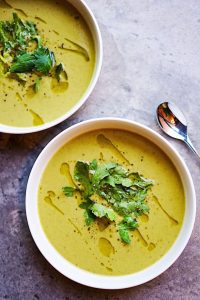
Photo of soup from Megan Bucknall from Unsplash

Minty Pea Soup

Indulge in the refreshing flavors of our minty pea soup, a perfect blend of vibrant green peas and aromatic mint....

Read More
Photo of asparagus risotto from Katrin Morenz from Wikimedia Commons

Asparagus Risotto

Asparagus risotto is a creamy and flavorful dish that showcases the vibrant taste of asparagus in a comforting way. With...

Read More
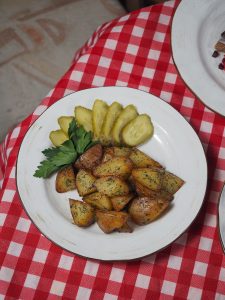
Photo of roasted potatoes from Nadin from Pexels

French Potato Salad

French potato salad with tarragon is a flavorful and classic dish that combines the creamy goodness of potatoes with the...

Read More

Want To Learn More?

At Backyard Eats, we’re passionate about helping our clients discover and share the magic of homegrown good. Our Harvest Guides will teach you everything you need to know to harvest, store, and cook with fresh produce right from your own backyard! Our Harvest Toolkit Directory includes a list of all our step-by-step guides. Click below to give them a try!

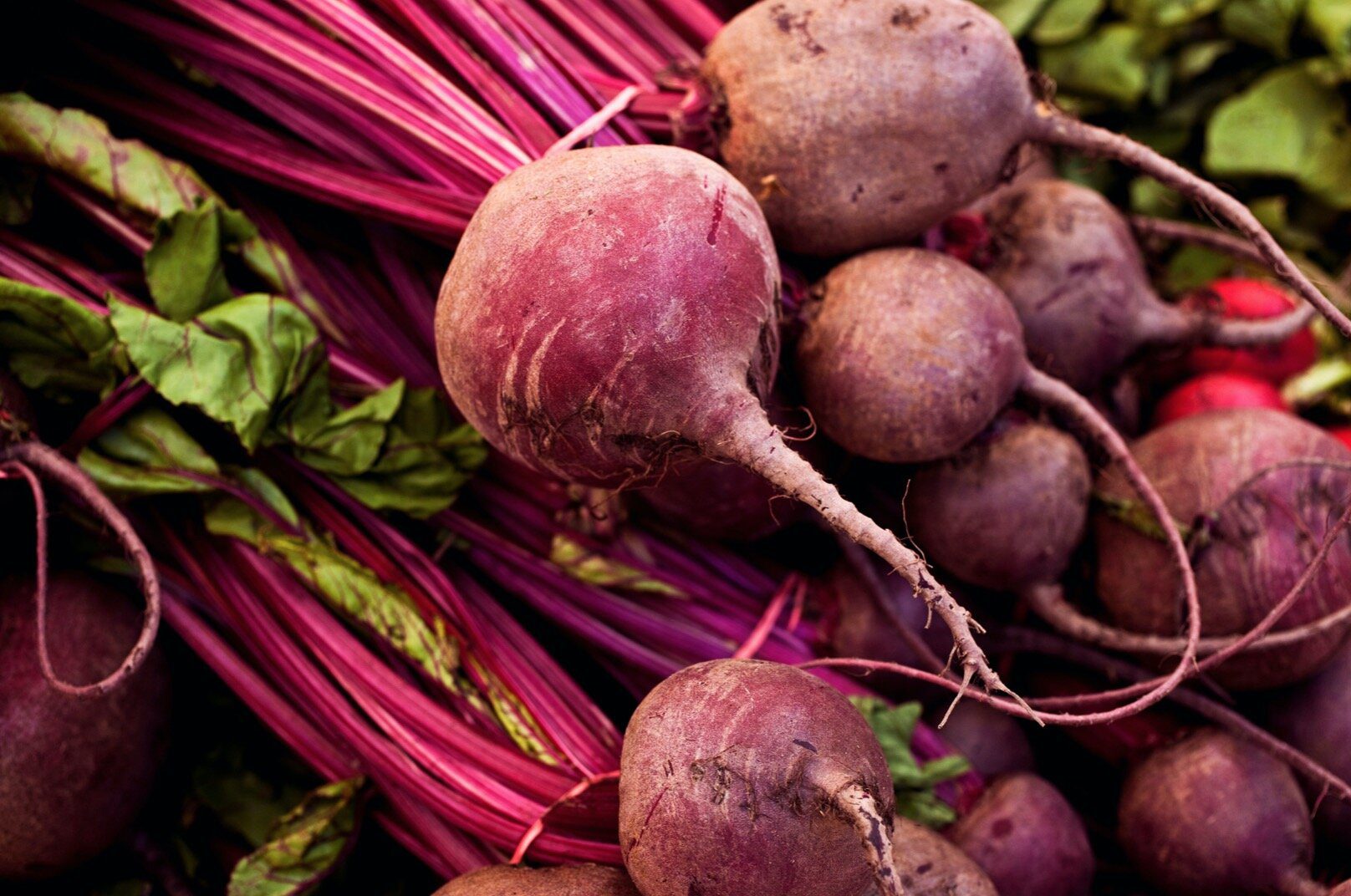
Beets

Photo of fresh beets

Harvest Guide

Beets

Harvesting Beets

When It’s Ready
  • When the leaves are 6-12 inches long
  • When beet roots are  1½ to 3 inches in diameter
  • Beets will start to deteriorate if you leave them in the ground for more than 10 days after they reach their full size
How To
  • You can snip off up to a third of a plant’s greens without harming the roots
  • New greens will grow for harvest in 1-2 weeks if harvested intermittently
  • Beet roots can be pulled from the soil by grasping the bunch of greens at their base
Pro Tip
  • “After pulling the roots, shake off the soil, and twist off—don’t cut off—the tops, leaving an inch or so of stems to prevent the roots from bleeding.” [RUEOG]
Photo of fresh beets

Growing Beets

Beets are a root vegetable with a slightly sweet and earthy flavor. Raw beets can be grated and added to salads or slaws, or sliced thinly and used as a garnish. They can also be juiced or blended into smoothies for a nutritious and colorful drink. Cooked beets are often roasted or boiled, and can be eaten hot or cold. They can be sliced or cubed and used in salads, or pureed into soups or dips.

Note on Row Cover

We cover beets, spinach, and swiss chard with a white row cover to prevent leaf miner bug damage. This is NOT a sun-protection or germination cover, and should be left on the plants for as long as possible throughout the season. We may remove the row cover around spring plants as necessary to interplant summer crops. If you see leaf miner scars on plants, they are still edible and can be picked around.

Storing Beets

Beets are a delicious and hearty vegetable that can be stored for some time after harvesting.

Fresh Storage: Place greens in airtight bags or containers and refrigerate. Don’t crush leaves, but it’s ok to compress gently to save on bag space.

Long-Term Storage: Freeze whole leaves: Blanch in boiling water, dunk in ice bath to retain color, dry, and freeze in storage bag. Beets can be stored in the fridge for up to 6 months. Beet roots can also be canned or frozen.

Cooking With Beets

  1. Roasted Beets: Coat whole beets with olive oil, season with salt and pepper, and roast them in the oven until tender. Once cooled, peel and slice them to enjoy as a side dish or add them to salads for a sweet and earthy flavor.
  2. Beet Salad: Thinly slice or grate cooked beets and combine them with ingredients like goat cheese, walnuts, and greens for a vibrant and nutritious salad. Drizzle with a simple vinaigrette to complement the flavors.
  3. Beet Soup: Make a comforting beet soup by sautéing onions, garlic, and diced beets. Add vegetable broth, herbs, and spices, and simmer until the beets are tender. Blend the soup until smooth and serve with a dollop of sour cream or yogurt.
  4. Pickled Beets: Slice or cube raw beets and pickle them in a mixture of vinegar, sugar, and spices. Let them sit in the refrigerator for a few days to develop tangy and sweet flavors. Enjoy pickled beets as a condiment, on sandwiches, or in salads.
  5. Beet Smoothie: Blend cooked beets with fruits like berries, banana, and a liquid of your choice (such as almond milk or coconut water) to create a vibrant and nutritious smoothie. The natural sweetness of beets adds a unique twist to your usual smoothie flavors.

Recipes

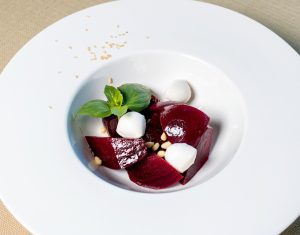
Photo of beet sphere from Visions Gourmandes

Pickled Beets

Pickled beets are a tangy and vibrant delight that showcases the natural sweetness of beets with a hint of acidity....

Read More

Want To Learn More?

At Backyard Eats, we’re passionate about helping our clients discover and share the magic of homegrown good. Our Harvest Guides will teach you everything you need to know to harvest, store, and cook with fresh produce right from your own backyard! Our Harvest Toolkit Directory includes a list of all our step-by-step guides. Click below to give them a try!

Carrots

Photo of harvested bundle of carrots

Harvest Guide

Carrots

Harvesting Carrots

When It’s Ready
  • Usually 60-80 days after sowing seeds
  • You can start harvesting individual carrots as soon as they are big enough to eat
  • You may leave them all to mature for a single harvest
  • Generally the best harvest period lasts about 3 weeks (longer in cooler fall weather)
  • Late June-December
How To
  • Loosen the soil with a trowel
  • Gently pull the carrot from the soil
  • Watering the bed before harvesting softens the soil and makes pulling easier
  • Avoid using a spading fork, as this can damage the roots
Photo of harvested bundle of carrots

Growing Carrots

Carrots are a root vegetable with a sweet and slightly earthy flavor. They are a versatile ingredient that can be eaten raw or cooked in a variety of dishes. Raw carrots are often enjoyed as a snack, either on their own or with dips such as hummus or ranch. They can also be grated and used in salads, slaws, and sandwiches. Cooked carrots are commonly boiled, roasted, or steamed for soups or side dishes. They can also be used in stir-fries, stews, and casseroles.

Storing Carrots

Fresh Storage: Keep in an airtight bag in the fridge for 1-2 months.

Cut carrots may also be kept submerged in a container of cool water in the fridge to preserve freshness.

Long-Term Storage: To save harvested carrots for winter use, prepare them by twisting off the tops and removing excess soil, but don’t wash them. Pack in closed containers or bags for long-term storage. Store at 32°-41° F, 95-100% humidity.

Alternatively, store your fall carrot crop right in the garden by mulching the bed with several inches of dry leaves or stra

Cooking With Carrots

  1. Roasted Carrots: Toss peeled and trimmed carrots with olive oil, salt, pepper, and your choice of seasonings like garlic powder or cumin. Roast in the oven until they are tender and caramelized for a flavorful and easy side dish.
  2. Carrot Soup: Sauté diced carrots with onions and garlic in a pot until they soften. Add vegetable broth, herbs, and spices of your choice, then simmer until the carrots are fully cooked. Blend the mixture until smooth and creamy, and serve as a comforting and nutritious soup.
  3. Carrot Salad: Grate or julienne carrots and toss them with a dressing made from olive oil, lemon juice, honey, and Dijon mustard. Add raisins, toasted nuts, or fresh herbs like parsley for additional flavor and texture.
  4. Glazed Carrots: Cook peeled and sliced carrots in a saucepan with a mixture of butter, brown sugar, and a splash of orange juice until they are tender and glazed. This sweet and savory side dish pairs well with roasted meats or as part of a holiday meal.
  5. Carrot Stir-Fry: Cut carrots into thin strips or matchsticks and stir-fry them with other vegetables like bell peppers, snap peas, and broccoli florets. Season with soy sauce, ginger, and garlic for a colorful and nutritious stir-fry.

Recipes

Want To Learn More?

At Backyard Eats, we’re passionate about helping our clients discover and share the magic of homegrown good. Our Harvest Guides will teach you everything you need to know to harvest, store, and cook with fresh produce right from your own backyard! Our Harvest Toolkit Directory includes a list of all our step-by-step guides. Click below to give them a try!

Bite-Sized Tomatoes

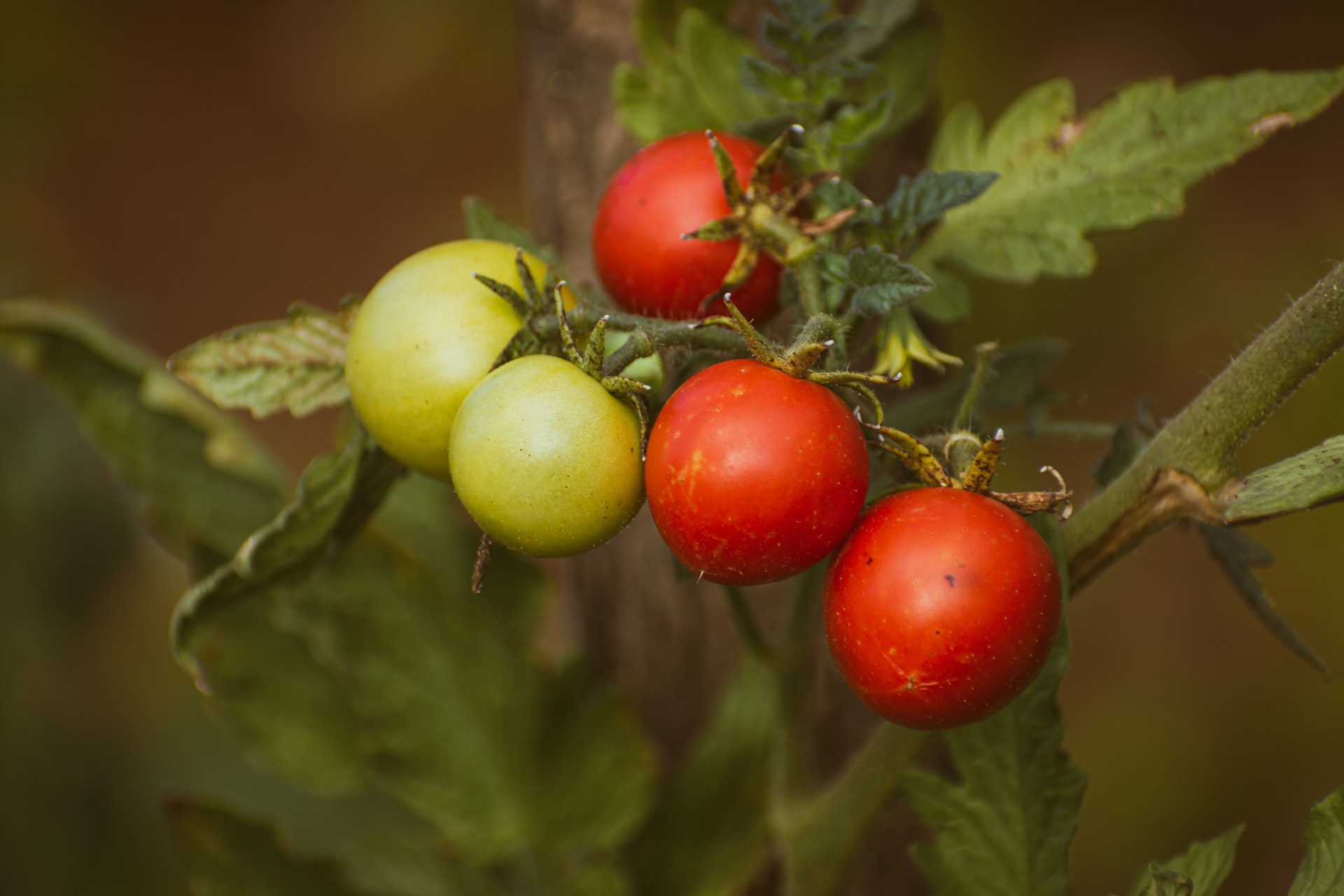
Photo of grape tomatoes on the vine from Nikolett Emmert from Pexels

Harvest Guide

Bite-Sized Tomatoes

Harvesting Bite-Sized Tomatoes

When It’s Ready
  • When you see that unmistakable bright red, orange, or yellow color
  • Tomatoes will be slightly soft to the touch when ripe
  • Tomatoes can be harvested any time after the appearance of orange or yellow coloring on the blossom end (bottom).
  • Harvest at this stage and bring inside where it will be protected from critters, insects, and excessive rain.
When It’s Too Late
  • If a tomato is beginning to split open, or can be squashed with very light pressure, it is overripe
  • Overripe tomatoes may drop from their stems
  • Those that have fallen to the ground should be removed from the garden
How To
  • Clip tomatoes from their main stalk with a sharp pair of scissors
  • Release the tomato with an inch or two of its calyx (the top green part still holding a stem)
Photo of grape tomatoes on the vine from Nikolett Emmert from Pexels

Growing Bite-Sized Tomatoes

Cherry tomatoes are small, round tomatoes with a sweet and juicy flavor. In the kitchen, cherry tomatoes are versatile and easy to use. Cherry tomatoes are typically eaten raw, either whole or sliced in half, but they can also be roasted, grilled, or sautéed to bring out their natural sweetness. They can be added to salads, sandwiches, and pizzas for a burst of flavor and color, or cooked in a variety of dishes such as pasta sauces, stews, and soups.

Varieties of Bite-Sized Tomatoes

Cherry Tomato ‘Indigo Blue Berries’ | Cherry Tomato ‘Sakura’ | Cherry Tomato Sun Gold | Cherry Tomato ‘Supersweet 100’ | Large Cherry Tomato ‘Sakura’ | Small Cherry Tomato ‘Sweet 100’

Storing Bite-Sized Tomatoes

Short-Term Storage:

Wash tomatoes and cut off any extra stem remaining on the crown. Tomatoes should be placed in an aerated container either on the countertop or in the refrigerator.

Long-Term Storage:

Tomatoes can also be canned, boiled, roasted, or pureed and then frozen for many months of storage.

Cooking With Bite-Sized Tomatoes

  1. Caprese Skewers: Thread cherry or grape tomatoes onto skewers, alternating with bite-sized mozzarella balls and fresh basil leaves. Drizzle with balsamic glaze or a drizzle of olive oil and serve as a delightful appetizer or party snack.
  2. Tomato Bruschetta: Combine diced bite-sized tomatoes with minced garlic, fresh basil, olive oil, salt, and pepper. Spoon the mixture onto toasted baguette slices for a classic and delicious bruschetta topping.
  3. Tomato Salad: Toss halved cherry or grape tomatoes with cucumber slices, red onion, and your choice of salad greens. Drizzle with a simple vinaigrette and sprinkle with feta cheese or toasted nuts for a refreshing and colorful salad.
  4. Pasta Topping: Sauté halved cherry tomatoes in olive oil with garlic until they soften slightly. Toss the tomatoes with cooked pasta, grated Parmesan cheese, and a handful of fresh basil for a quick and flavorful pasta dish.
  5. Tomato Salsa: Finely chop bite-sized tomatoes and combine them with diced onion, jalapeño pepper, lime juice, cilantro, and a pinch of salt. Serve this fresh and tangy salsa with tortilla chips or as a topping for grilled meats and fish.
 

Recipes

Photo of a panzanella salad from Whats4eats

Summer Panzanella with Squash

Savor the vibrant flavors of summer with a delightful Summer Panzanella featuring freshly harvested pattypan squash. This garden-to-table recipe celebrates...

Read More
Photo of Greek salad from Lina Luoto from Pexels

Greek Salad

Greek salad is a refreshing and flavorful dish that combines the vibrant flavors of fresh vegetables with the tanginess of...

Read More
Want To Learn More?

At Backyard Eats, we’re passionate about helping our clients discover and share the magic of homegrown good. Our Harvest Guides will teach you everything you need to know to harvest, store, and cook with fresh produce right from your own backyard! Our Harvest Toolkit Directory includes a list of all our step-by-step guides. Click below to give them a try!

Basil

basil

Harvest Guide

Basil

Harvesting Basil

When It’s Ready
  • When the plant is at least 6-8″ tall
  • When the plant has a few sets of green, unfurled leaves
  • When the plant “bolts” (begins to flower) the leaves turn bitter
  • Mid-late May to first frost
How To
  • Clip off the top portion of the main stem using a sharp pair of scissors
  • You may also pick a few individual leaves at a time
  • Basil requires constant pruning to assist growth and prevent flowering. Basil grows on clusters off a main stem. At the bottom of the main stem, there will generally be a set of smaller leaves. With pruners, trim back the main stem to the smaller leaves to stimulate growth and branching. Pinch off any flower tops and discard.
Continuous Harvest
  • Harvesting the top stem (rather than picking leaves) encourages more branching and fullness so you can enjoy fresh basil all season long!
basil

Growing Basil

Basil is a fragrant herb with a sweet, slightly peppery taste and a subtle anise-like aroma. It is commonly used in Italian, Thai, and Mediterranean cuisines, and is often used in dishes containing tomatoes, garlic, and olive oil. Basil is typically used fresh, although it can also be dried for later use. It is a versatile herb that can be used in a variety of dishes, including pasta sauces, pizzas, soups, salads, and marinades. It pairs well with other herbs such as oregano and thyme.

Varieties of Basil

Genovese Basil

Storing Basil

Store as a whole branch with leaves, rooted in room-temperature water, for 3-10 days. Change water daily.

Store as whole leaves in an airtight container the refrigerator.  Chopped leaves will bruise and discolor readily.

Cooking With Basil

  1. Pesto: Blend fresh basil leaves, garlic, pine nuts, Parmesan cheese, and olive oil to create a flavorful pesto sauce. Use it as a pasta sauce, spread it on bread, or use it as a marinade or topping for grilled meats.
  2. Caprese Salad: Combine sliced tomatoes, fresh mozzarella cheese, and basil leaves. Drizzle with olive oil, sprinkle with salt and pepper, and enjoy a classic and refreshing Caprese salad.
  3. Tomato Sauce: Add fresh basil leaves to homemade tomato sauce for an aromatic and herby flavor. Simmer the sauce to allow the basil to infuse and enhance the taste of your pasta dishes.
  4. Infused Oil: Create basil-infused oil by gently heating olive oil with fresh basil leaves. Once cooled, strain the oil and use it as a flavorful drizzle for salads, grilled vegetables, or roasted meats.
  5. Pizza Topping: Sprinkle torn or chopped basil leaves over your favorite pizza just before serving. The heat of the pizza will release the basil’s fragrance, adding a delightful freshness to each bite.

Recipes

Photo of pesto in a glass jay from Caroline Attwood from Unsplash

Garlic Scape Pesto

Embrace the unique flavors of the season with Garlic Scape Pesto, a vibrant twist on the classic sauce that highlights...

Read More
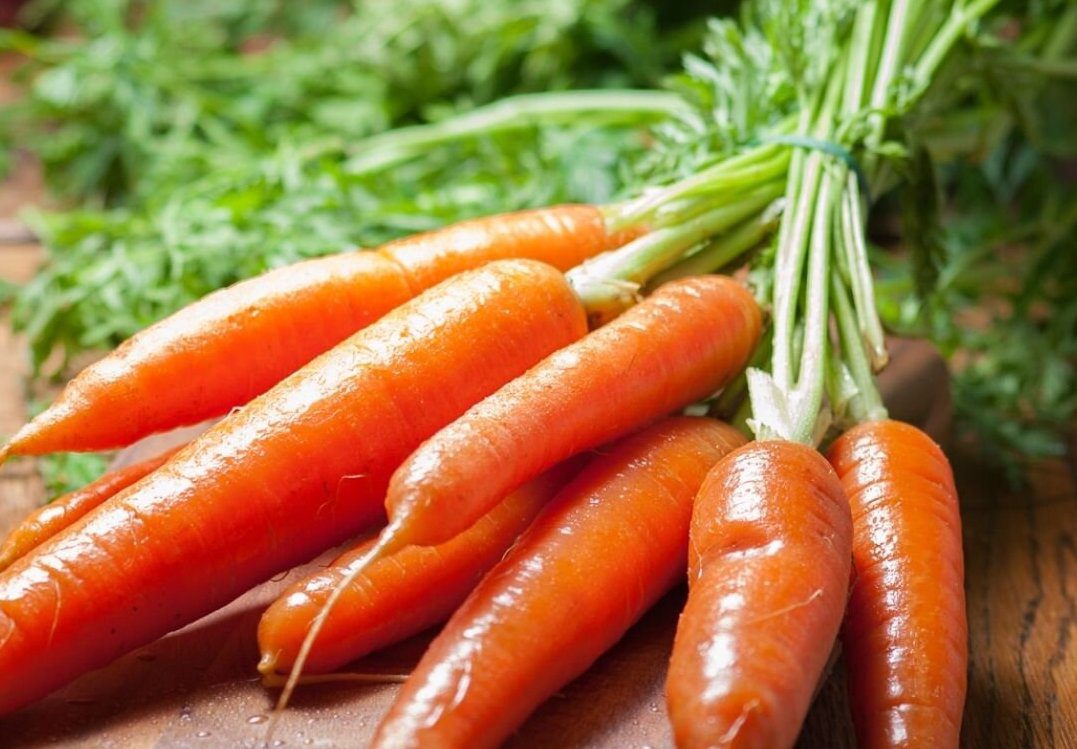
Photo of a panzanella salad from Whats4eats

Summer Panzanella with Squash

Savor the vibrant flavors of summer with a delightful Summer Panzanella featuring freshly harvested pattypan squash. This garden-to-table recipe celebrates...

Read More
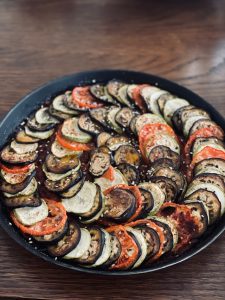
Photo of ratatouille from Marjan Sadeghi from Unsplash

Ratatouille Slab Pie

Discover the rustic charm of our ratatouille slab pie, a flavorful twist on a classic dish. Layers of vibrant vegetables,...

Read More

Want To Learn More?

At Backyard Eats, we’re passionate about helping our clients discover and share the magic of homegrown good. Our Harvest Guides will teach you everything you need to know to harvest, store, and cook with fresh produce right from your own backyard! Our Harvest Toolkit Directory includes a list of all our step-by-step guides. Click below to give them a try!