
[et_pb_section fb_built=”1″ admin_label=”section” _builder_version=”4.21.0″ custom_padding=”||0px||false|false” da_disable_devices=”off|off|off” global_colors_info=”{}” da_is_popup=”off” da_exit_intent=”off” da_has_close=”on” da_alt_close=”off” da_dark_close=”off” da_not_modal=”on” da_is_singular=”off” da_with_loader=”off” da_has_shadow=”on”][et_pb_row _builder_version=”4.21.0″ _module_preset=”default” custom_padding=”||0px||false|false” global_colors_info=”{}”][et_pb_column type=”4_4″ _builder_version=”4.21.0″ _module_preset=”default” global_colors_info=”{}”][et_pb_blurb title=”Get The Most Out of Your Sweet Peppers from Backyard Eats” use_icon=”on” font_icon=”||fa||900″ icon_color=”#755065″ icon_placement=”left” content_max_width=”1100px” _builder_version=”4.21.0″ _module_preset=”default” header_level=”h2″ header_font=”Poppins||||||||” header_text_align=”left” header_text_color=”#000000″ header_font_size=”26px” body_font=”Roboto||||||||” body_text_color=”#000000″ body_line_height=”2em” custom_padding=”||0px|||” global_colors_info=”{}”][/et_pb_blurb][/et_pb_column][/et_pb_row][et_pb_row _builder_version=”4.21.0″ _module_preset=”default” custom_margin=”15px||-20px||false|false” custom_margin_tablet=”15px||-20px||false|false” custom_margin_phone=”15px||-20px||false|false” custom_margin_last_edited=”on|phone” global_colors_info=”{}”][et_pb_column type=”4_4″ _builder_version=”4.21.0″ _module_preset=”default” global_colors_info=”{}”][/et_pb_column][/et_pb_row][et_pb_row module_id=”harvest-instructions” _builder_version=”4.21.0″ _module_preset=”default” custom_padding=”30px|25px|25px|25px|false|true” border_width_all=”2px” global_colors_info=”{}”][et_pb_column type=”4_4″ _builder_version=”4.21.0″ _module_preset=”default” global_colors_info=”{}”][et_pb_text _builder_version=”4.21.0″ _module_preset=”default” text_text_color=”#000000″ header_text_color=”#000000″ custom_padding=”1px||0px|||” global_colors_info=”{}”]
Harvesting Sweet Peppers
[/et_pb_text][et_pb_text _builder_version=”4.24.2″ _module_preset=”default” text_text_color=”#000000″ header_text_color=”#000000″ custom_padding=”1px||0px|||” hover_enabled=”0″ global_colors_info=”{}” sticky_enabled=”0″]
When It’s Ready
Most sweet peppers are ready to eat at various stages, but change color and turn sweeter as they mature. For example, banana peppers are ready for pickling when they are fully yellow, but will eventually turn orange and red and then are best eaten fresh.
- Early in the season, it’s best to harvest peppers before they ripen to encourage the plant to continue production
- As each pepper matures and changes colors, harvest can occur at any time. This final period can last up to three weeks.
- Late July – first frost
When It’s Too Late
- If the pepper shows any signs of rot or pest damage, it is not longer desirable.
How To
- Cut individual peppers free with a sharp knife or gardening scissors
- Leave about 1 inch of the stem attached to the fruit for improved storage
- Pick all the fruit when a frost is predicted, or pull plants up by the roots and hang them in a dry, cool place indoors for the fruit to ripen more fully.
[/et_pb_text][/et_pb_column][/et_pb_row][et_pb_row _builder_version=”4.21.0″ _module_preset=”default” custom_margin=”9px||||false|false” global_colors_info=”{}”][et_pb_column type=”4_4″ _builder_version=”4.20.4″ _module_preset=”default” global_colors_info=”{}”][et_pb_text _builder_version=”4.21.0″ _module_preset=”default” text_text_color=”#000000″ header_text_color=”#000000″ custom_padding=”2px||0px|||” global_colors_info=”{}”]
Growing Sweet Peppers
[/et_pb_text][et_pb_text _builder_version=”4.21.0″ _module_preset=”default” text_text_color=”#000000″ header_text_color=”#000000″ custom_padding=”1px||0px|||” global_colors_info=”{}”]
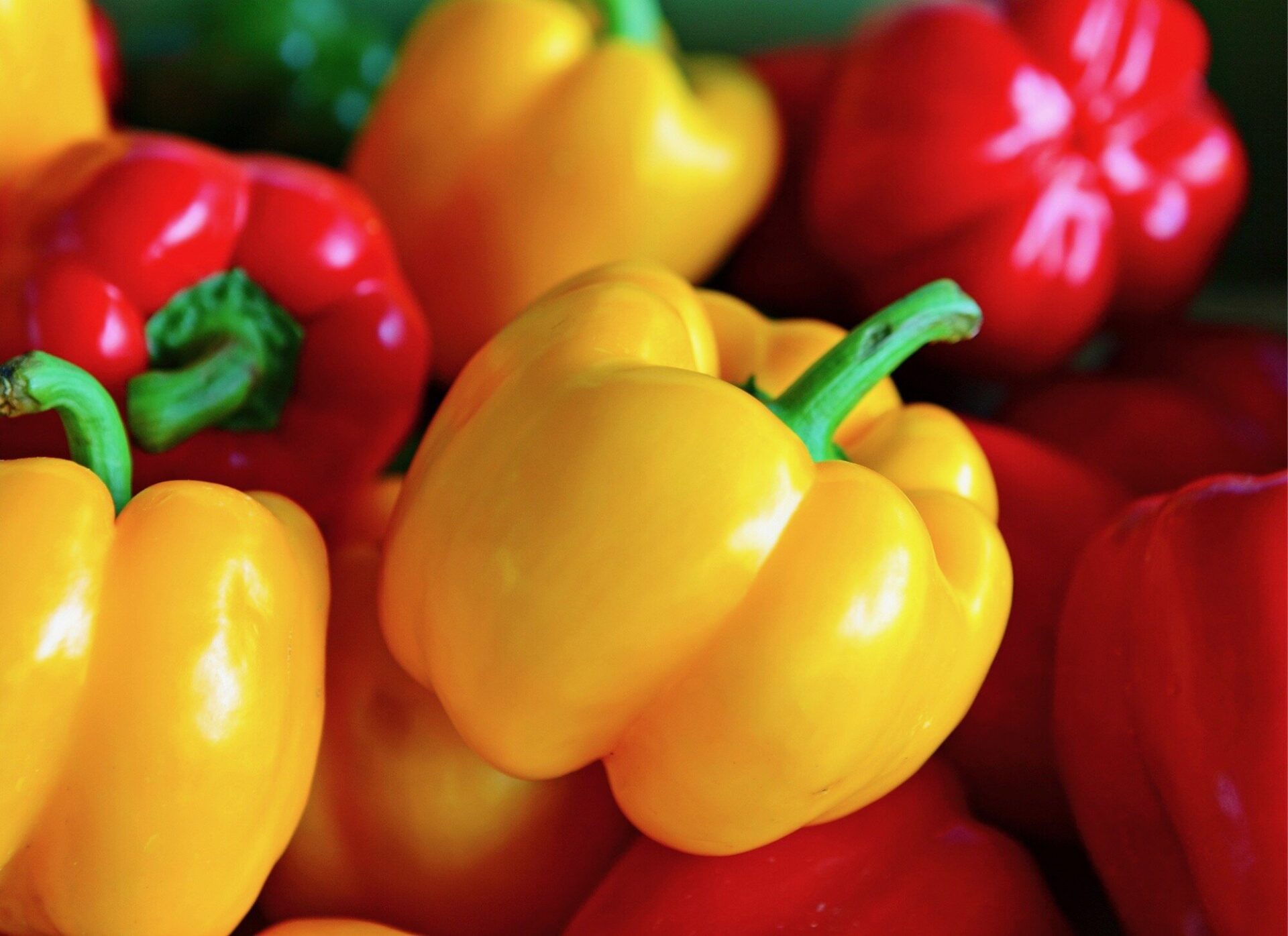
Sweet peppers, also known as bell peppers, come in a variety of colors and have a mild, sweet flavor. They are a versatile ingredient that can be used in a wide range of dishes. They can be enjoyed raw in salads and wraps or sautéed in stir fries. Roasting or grilling sweet peppers enhances their naturally sweet flavor and adds a smoky finish perfect for summer grilling.
[/et_pb_text][et_pb_text _builder_version=”4.21.0″ _module_preset=”default” text_font=”Poppins|500|on||||||” text_text_color=”#FFFFFF” background_color=”#bfbfbf” text_orientation=”center” background_layout=”dark” module_alignment=”center” custom_padding=”20px|20px|15px|20px|false|true” custom_padding_tablet=”20px|20px|20px|20px|true|true” custom_padding_phone=”20px|10px|5px|10px|false|false” custom_padding_last_edited=”on|phone” global_colors_info=”{}”]
Varieties of Sweet Peppers:
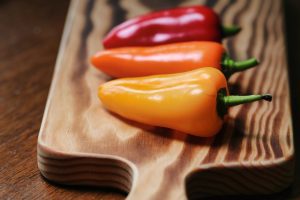
Banana Peppers | Red Bell Pepper | Snack Pepper “Lunchbox Red” | Red Mini Snack Pepper
[/et_pb_text][/et_pb_column][/et_pb_row][et_pb_row column_structure=”3_5,2_5″ _builder_version=”4.21.0″ _module_preset=”default” global_colors_info=”{}”][et_pb_column type=”3_5″ _builder_version=”4.21.0″ _module_preset=”default” global_colors_info=”{}”][et_pb_text _builder_version=”4.20.4″ _module_preset=”default” text_text_color=”#000000″ header_text_color=”#000000″ custom_padding=”1px||0px|||” global_colors_info=”{}”]
Storing Sweet Peppers
[/et_pb_text][et_pb_text _builder_version=”4.21.0″ _module_preset=”default” text_text_color=”#000000″ header_text_color=”#000000″ custom_padding=”1px||0px|||” global_colors_info=”{}”]
Fresh Storage: Ideal storage conditions are 45–65°F, at 90 -95% humidity.
Long-Term Storage: To preserve, freeze peppers without blanching.
[/et_pb_text][/et_pb_column][et_pb_column type=”2_5″ _builder_version=”4.21.0″ _module_preset=”default” global_colors_info=”{}”][et_pb_image src=”@ET-DC@eyJkeW5hbWljIjp0cnVlLCJjb250ZW50IjoicG9zdF9mZWF0dXJlZF9pbWFnZSIsInNldHRpbmdzIjp7fX0=@” show_bottom_space=”off” _builder_version=”4.21.0″ _dynamic_attributes=”src” _module_preset=”default” custom_margin_tablet=”” custom_margin_phone=”20px||||false|false” custom_margin_last_edited=”on|desktop” global_colors_info=”{}”][/et_pb_image][/et_pb_column][/et_pb_row][et_pb_row _builder_version=”4.21.0″ _module_preset=”default” global_colors_info=”{}”][et_pb_column type=”4_4″ _builder_version=”4.21.0″ _module_preset=”default” global_colors_info=”{}”][et_pb_text _builder_version=”4.21.0″ _module_preset=”default” text_text_color=”#000000″ header_text_color=”#000000″ global_colors_info=”{}”]
Cooking With Sweet Peppers
[/et_pb_text][et_pb_text _builder_version=”4.21.0″ _module_preset=”default” text_text_color=”#000000″ header_text_color=”#000000″ custom_padding=”1px||0px|||” global_colors_info=”{}”]
- Stuffed Sweet Peppers: Cut off the tops of sweet peppers and remove the seeds. Fill them with a mixture of cooked rice or quinoa, seasoned ground meat or beans, vegetables, and cheese. Bake until the peppers are tender and the filling is heated through.
- Sweet Pepper Salsa: Dice sweet peppers and combine them with tomatoes, onions, cilantro, lime juice, and spices like cumin and chili powder. Serve the vibrant and flavorful salsa with tortilla chips or as a topping for tacos and grilled meats.
- Roasted Sweet Peppers: Roast sweet peppers in the oven until their skins blister and char. Remove the skin, then slice or chop the peppers and toss them with olive oil, garlic, and herbs. Enjoy the roasted sweet peppers as a side dish, in sandwiches, or added to pasta dishes.
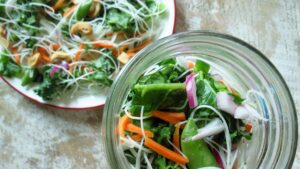
- Sweet Pepper Stir-Fry: Slice sweet peppers into thin strips and stir-fry them with other vegetables like onions, carrots, and snap peas. Add your choice of protein and a stir-fry sauce for a colorful and nutritious meal.
- Sweet Pepper Bruschetta: Dice sweet peppers and mix them with minced garlic, basil, olive oil, and balsamic vinegar. Spoon the mixture onto toasted baguette slices for a delicious and vibrant bruschetta appetizer.
[/et_pb_text][et_pb_button button_url=”#harvest-instructions” button_text=”Back To Harvest Instructions” _builder_version=”4.21.0″ _module_preset=”default” button_text_size=”18px” button_text_color=”#FFFFFF” button_bg_color=”#8E647C” custom_margin=”||40px||false|false” global_colors_info=”{}”][/et_pb_button][/et_pb_column][/et_pb_row][/et_pb_section][et_pb_section fb_built=”1″ _builder_version=”4.21.2″ _module_preset=”default” da_disable_devices=”off|off|off” global_colors_info=”{}” da_is_popup=”off” da_exit_intent=”off” da_has_close=”on” da_alt_close=”off” da_dark_close=”off” da_not_modal=”on” da_is_singular=”off” da_with_loader=”off” da_has_shadow=”on”][et_pb_row _builder_version=”4.21.2″ _module_preset=”default” custom_margin=”||-200px|0px|false|false” global_colors_info=”{}”][et_pb_column type=”4_4″ _builder_version=”4.21.2″ _module_preset=”default” global_colors_info=”{}”][et_pb_text _builder_version=”4.21.2″ _module_preset=”default” global_colors_info=”{}”]
Try These Sweet Pepper Recipes:
[/et_pb_text][/et_pb_column][/et_pb_row][/et_pb_section]