Roasted Fish with Leeks and Olive Salsa Verde

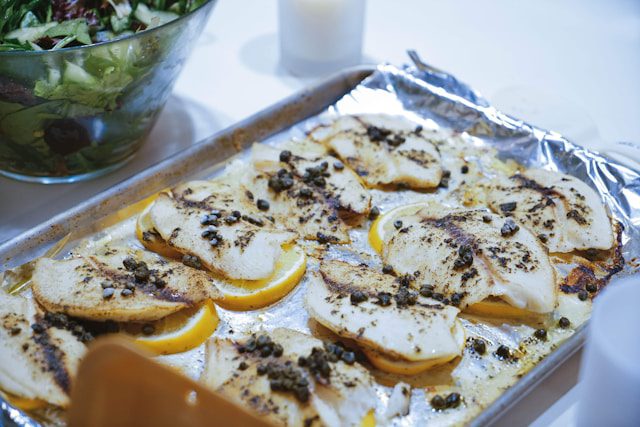
Photo of fish with lemon from Rosalind Chang from Unsplash

Delight in the exquisite flavors of our roasted fish with leeks and olive salsa verde, a Mediterranean-inspired culinary masterpiece. Tender fish fillets are roasted to perfection, then topped with a vibrant salsa verde made with briny olives, fragrant herbs, and tangy lemon. Alongside, caramelized leeks add a sweet and savory dimension to every bite, creating a symphony of tastes that dance on your palate. Whether served as an elegant dinner centerpiece or a light yet satisfying meal, our roasted fish dish is sure to transport you to the sunny shores of the Mediterranean with its fresh and vibrant flavors.

Photo of fish with lemon from Rosalind Chang from Unsplash

Roasted Fish with Leeks and Olive Salsa Verde

Melissa Clark
Elevate your seafood game with Roasted Fish accompanied by tender leeks and a zesty Olive Salsa Verde, where succulent fish fillets are perfectly complemented by the bright flavors of olives and fresh herbs. This exquisite dish offers a harmonious blend of textures and tastes, making it a delightful centerpiece for any culinary occasion.
Prep Time 15 minutes
Cook Time 15 minutes
Course Main Course
Servings 4 servings

Ingredients
  

Fish and Leeks

  • 4 thick fillets white fish, such as cod or halibut about 1.5 lb total
  • 3 medium leeks trimmed, white and light green parts halved lengthwise and rinsed well
  • Extra-virgin olive oil

Olive Salsa Verde

  • 1 lemon
  • 1/2 cup pitted Castelvetrano olives coarsely chopped
  • 1/2 cup chopped cilantro leaves and tender stems
  • 1 garlic clove finely grated, minced, or pushed through a garlic press
  • Large pinch of red pepper flakes or to taste
  • Fine sea salt or table salt
  • 1/3 cup extra-virgin olive oil

Instructions
 

  • Heat oven to 425°F. Season fish all over with salt and pepper, and set aside while you prepare the leeks.
  • Cut the leeks into matchsticks: Place a leek half, flat side down, on a cutting board and cut it in half crosswise. Then slice the pieces lengthwise into this (1/4" thick) matchsticks. Repeat with the remaining leeks.
  • Spread leeks out on a rimmed baking sheet. Lightly drizzle them with olive oil and a pinch of salt and pepper, and toss to coat. Push aside the leeks to create 4 spaces in the center of the sheet pan just large enough for the fish fillets, then place the fillets in those cleared spaces. (Avoid putting the fish on top of the leeks, which won't cook as well when they're covered.)
  • Drizzle fish with oil. Roast until the fish is opaque and just cooked through but not yet flakey, about 10-15 minutes, depending on the thickness of the fish. The leeks surrounding the fish will be soft and silky, while those at the edges of the pan may turn delightfully brown and crisp in spots. If the fish is done but you think the leeks need a little more time, transfer the fish to a serving platter, tent with foil to keep warm, and continue to cook the leeks for another few minutes.
  • While the fish is in the oven, make the salsa verde. Using a fine rasp grater, grate 1/2 tsp lemon zest into a small bowl. Halve the lemon and squeeze in 1 Tbsp juice.
  • Stir in olives, cilantro, garlic, red pepper flakes and a pinch of salt. Slowly drizzle in oil, stirring to combine. Taste and add more salt, red pepper or another squeeze of lemon, if needed.
  • Place fish on plates and surround with leeks. Top with olive salsa verde.

Notes

This recipe by Melissa Clark was published in A Good Appetite.
This favorite recipe was contributed by a Backyard Eats client! She encourages home cooks to substitute ingredients as needed based their lifestyle or what's growing fresh in their garden.

Thai Noodle Salad with the Best Ever Peanut Sauce

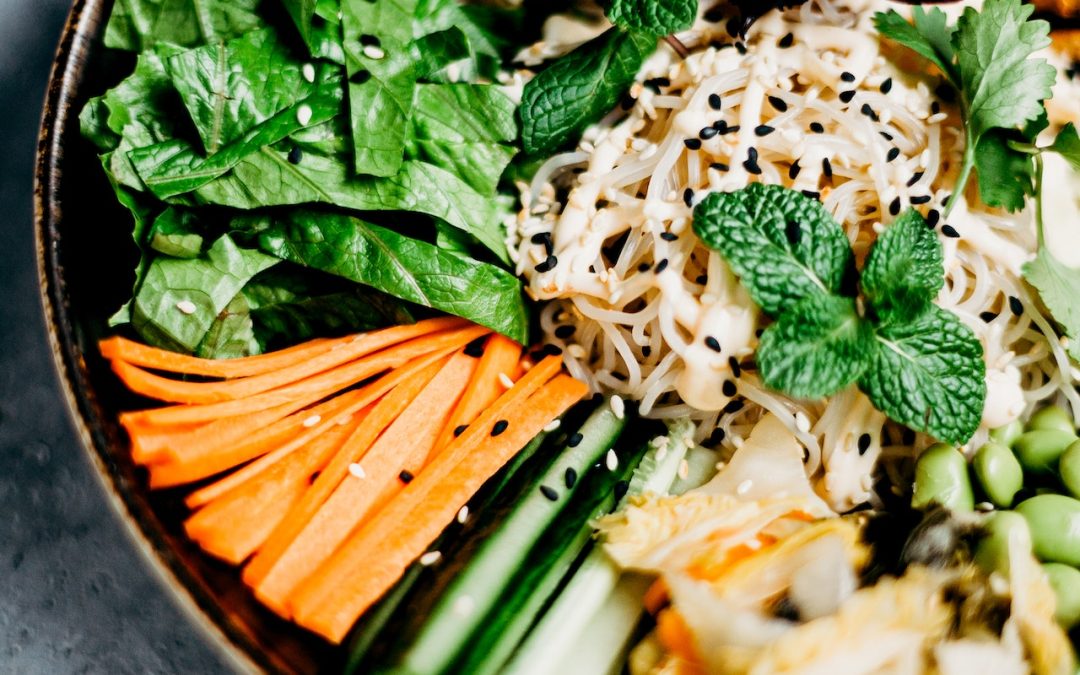
Photo of fresh vegetable salad with noodles from Pexels

Thai noodle salad with peanut sauce is a flavorful and satisfying dish that combines the vibrant flavors of Thai cuisine with the delightful texture of noodles. With a handful of ingredients and a tangy peanut sauce, you can create a refreshing and wholesome salad that is perfect for any occasion. The combination of tender noodles, crunchy vegetables, and a creamy peanut sauce creates a harmonious balance of flavors and textures. Whether enjoyed as a main course or a side dish, this salad is a tantalizing blend of sweet, savory, and nutty notes, bringing the authentic taste of Thai cuisine to your table with every delicious bite.

Photo of fresh vegetable salad with noodles from Pexels

Thai Noodle Salad with the Best Ever Peanut Sauce

Sylvia Fountaine
The combination of tender noodles, crunchy vegetables, and a creamy peanut sauce creates a harmonious balance of flavors and textures.
Prep Time 15 minutes
Cook Time 15 minutes
Course Salad
Servings 6 people

Ingredients
  

Salad Ingredients

  • 6 oz dried noodles (brown rice noodles, pad thai style rice noodles, soba noodles)
  • 4 cups mixed grated vegetables (cabbage, radish, carrot)
  • 1 red bell pepper (finely sliced)
  • 3 scallions (sliced)
  • 1/2 bunch cilantro (chopped, can substitute basil or mint)
  • 1 Tbsp jalapeño (finely chopped)
  • 1/4-1/2 cup roasted peanuts (optional)

Thai Peanut Sauce

  • 5 thin slices fresh ginger (cut across the grain, about the size of a quarter)
  • 2 cloves garlic
  • 1/2 cup peanut butter
  • 1/2 cup fresh orange juice (about 1 fresh orange)
  • 1/3 cup fresh lime juice (about 2 limes)
  • 1/4 cup soy sauce (can substitute Bragg's Liquid Amino Acids: tamari will turn this unpleasantly dark)
  • 1/3 cup honey, agave, or maple syrup
  • 1/4 cup toasted sesame oil
  • 1-1.5 tsp cayenne peppers (or sriracha sauce)
  • 1 tsp salt

Instructions
 

  • Cook Noodles: Cook pasta according to directions on package. ( See notes for rice noodles) Drain and chill under cold running water.
  • Blend the Peanut Sauce: while noodles are cooking, blend the peanut sauce ingredients together using  a blender until smooth.
  • Toss: Place shredded veggies, bell pepper, scallions, cilantro and jalapeño into a serving bowl. Toss. Add the cold noodles to the serving bowl and toss again. Pour some peanut sauce over top and toss well to combine- no need to use all, just use enough to coat well. ( Save the extra sauce for any leftover salad-as it can soak up the sauce overnight.)
  • Taste: Adjust the salt (to your liking), add chili flakes if you want, or more lime, and serve, garnishing with roasted peanuts and cilantro and a lime wedge.

Notes

  1. Noodles:  If cooking pad thai style rice noodles, add the noodles to a pot of boiling water. Turn heat off, stir and let steep 2-3 minutes until tender, drain and run under cool water. Alternatively, pour boiling water over the noodles in a baking dish, let soak until softened, drain.
  2. Salad will keep 4 days in the fridge.
This recipe is courtesy of Sylvia Fountaine at Feasting at Home.

Crockpot Thai Broccoli Rabe Chicken Curry

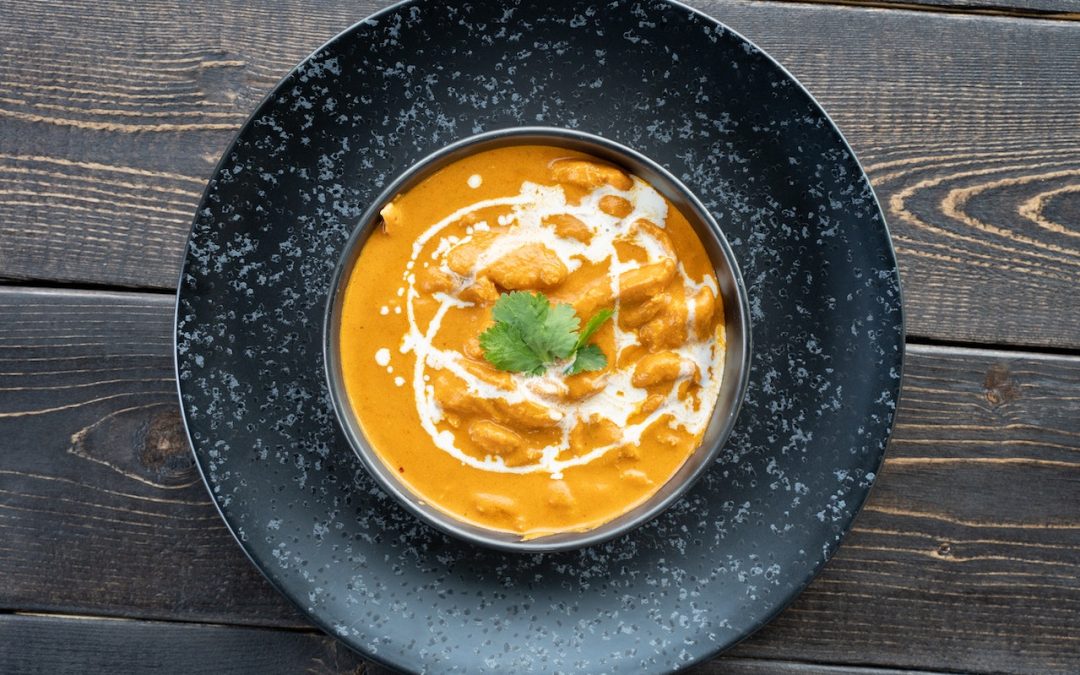
Photo of squash soup from Albert Studios from Pexels

Crockpot Thai broccoli rabe chicken curry is a flavorful and effortless dish that combines the aromatic spices of Thai cuisine with the vibrant freshness of broccoli rabe. With the convenience of a slow cooker and a handful of ingredients, you can create a hearty and exotic curry that will transport your taste buds. The tender chicken, infused with the rich curry sauce, melds perfectly with the slight bitterness of broccoli rabe, resulting in a harmonious blend of flavors. Whether served over steamed rice or enjoyed on its own, this dish offers a comforting and satisfying meal that brings the authentic taste of Thai cuisine to your table with minimal effort.

Photo of squash soup from Albert Studios from Pexels

Crockpot Thai Broccoli Rabe Chicken Curry

Tieghan Gerard
Crockpot Thai broccoli rabe chicken curry is a flavorful and effortless dish that combines the aromatic spices of Thai cuisine with the vibrant freshness of broccoli rabe.
Prep Time 15 minutes
Cook Time 6 hours
Total Time 6 hours 15 minutes
Course Soup
Servings 4 people

Ingredients
  

For Curry

  • 1 yellow onion (finely diced)
  • 6 cloves garlic (minced or grated)
  • 1 inch fresh ginger (peeled and grated)
  • 1 stalk lemongrass (finely chopped)
  • 1/4 cup Thai red curry paste
  • 2 Tbsp fish sauce
  • 2 14 oz cans full-fat coconut milk
  • 2 Tbsp honey
  • 1 lb boneless skinless chicken breast or thighs (diced)
  • 1 bunch broccoli raab (ends trimmed + roughly chopped into bite size)
  • 1/4 cup fresh basil or cilantro (roughly chopped)

For Serving

  • Steamed rice
  • Arils from one pomegranate
  • Chopped peanuts

Instructions
 

  • In the bowl of your crockpot, combine the onion, garlic, ginger, lemongrass, curry paste, fish sauce, coconut milk, and honey. Add the chicken and broccoli rabe, toss to combine.
  • Cover and cook on LOW for 5-6 hours or on HIGH for 4-5 hours. Just before serving, stir in the basil and or cilantro.
  • Serve the curry over a bowl of steamed rice. Top with pomegranate arils, peanuts and fresh basil or cilantro. Eat!

Notes

This recipe is courtesy of Tieghan Gerard at Halfbaked Harvest.

How To Freeze Cilantro

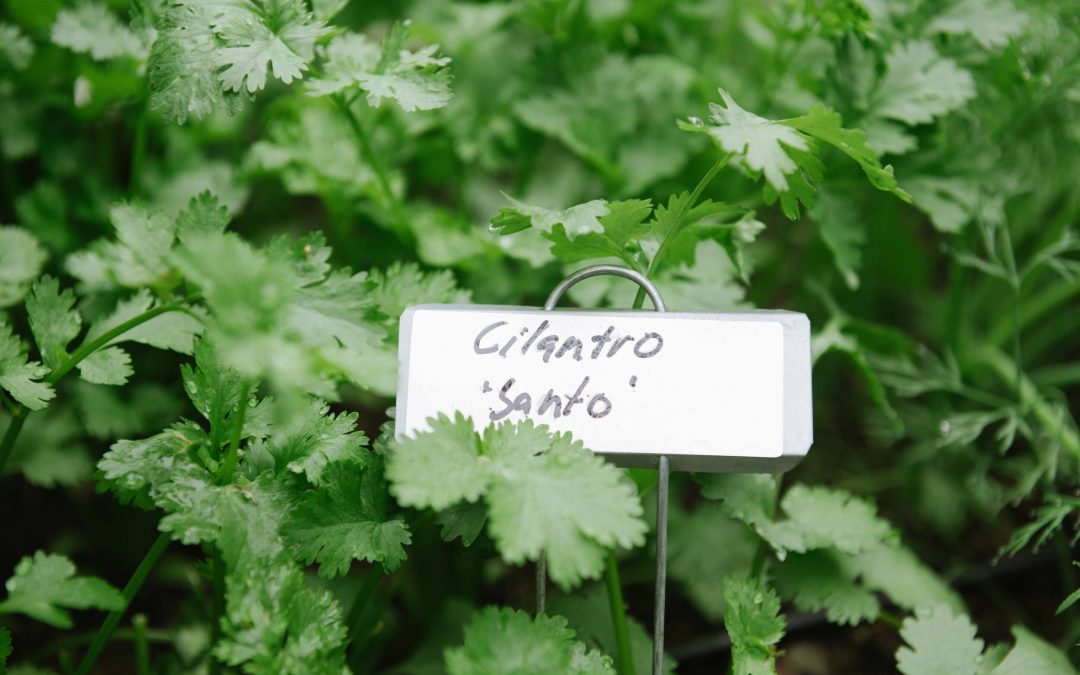
Detail photo of cilantro leaves with plant label

Cilantro, with its fresh and zesty flavor, is a herb that adds a delightful touch to a variety of dishes. Freezing cilantro is a simple and convenient method to preserve its vibrant taste and aroma for future culinary endeavors. With just a few easy steps, you can ensure a steady supply of this herb, ready to enhance your recipes even when it’s not in season. Join us as we unlock the secrets of freezing cilantro, allowing you to extend its shelf life while maintaining its distinct qualities.

How To Freeze Cilantro

Freezing cilantro is a simple and convenient method to preserve its vibrant taste and aroma for future culinary endeavors.
Course: Ingredient
Author: Molly Watson

Instructions

Preparing Cilantro for Freezing

  • No matter which method you choose, it is important to start with perfectly clean cilantro.
  • Give it a swish in cool water to get rid of any dirt, grit, or dust clinging to its leaves.
  • Then, because excess water will create damaging ice crystals, be sure to dry it thoroughly. One way to do this is to spin it in a salad spinner and then lay on layers of paper towel. Roll up the paper towels starting at one end, encasing the cilantro, to soak up any bits of excess moisture.

Method 1: Freeze Cilantro Leaves in a Bag*

  • This method is the easier choice since you are simply placing the leaves in a bag and freezing. Once the cilantro is defrosted, the leaves won't look great, so it is best to use the herb as an ingredient stirred into recipes rather than as a garnish with this method.
  • Place one freezer bag into another to create a "double bag."
  • Remove the leaves from the stems and add the cilantro leaves to the inner bag.
  • Push out as much air from the bags as possible and seal tightly.
  • Stick the bag in the freezer and simply pop off the leaves as you want to use them.

Method 2: Freeze Cilantro In Cubes**

  • This freezing method creates small cubes, ideal for popping into soups or stews to add a burst of cilantro's unique, fresh flavor. For this method, before the cilantro can be put into the ice cube tray, it needs to be pureed with a liquid.
  • Whirl the cilantro in a blender or food processor with enough water or olive oil to make a thick puree.
  • Pour into a clean ice cube tray or small covered containers and place in the freezer.
  • Once frozen through, transfer the cilantro cubes to a resealable plastic bag for long-term storage—they will last in the freezer up to six months.

Notes

Cilantro frozen this way works best in dishes where it is cooked, such as black beans, or in recipes where the leaves are really mixed in, such as guacamole.
Cilantro makes a lovely pesto that freezes nicely in cubes and adds bright flavor to pasta, salads, and more. The oil also acts as a barrier between the freezer and the delicate cilantro leaves. Simply make pesto as usual, adding more oil if needed, and pour into an ice cube tray. Freeze completely, pop out the squares, and store in a zip-top freezer bag or container for up to six months.
These instructions are courtesy of Molly Watson at The Spruce Eats.