Oregano

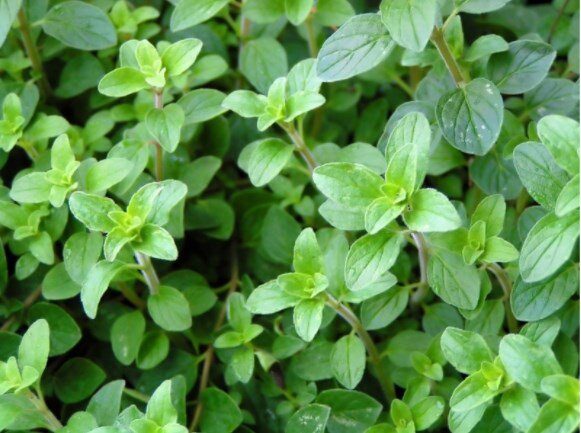
Detail photo of oregano leaves

Harvest Guide

Oregano

Harvesting Oregano

When It’s Ready
  • Pick individual leaves when the plant reaches at least 4″ height
  • Pick handfuls of oregano leaves regularly to continuously stimulate growth of the plant
  • If harvesting a large amount, cut at the the plant at the base of the stem before it begins to flower
How To
  • Use a sharp knife or shears to clip stems and/or leaves away from the bush
Detail photo of oregano leaves

About Mediterranean Herbs

Mediterranean herbs are plants that grow 0.5-3 ft tall. They require partial to full sun to thrive, but not trellising or pruning.

Flowering/Fruiting Tendencies

Mediterranean herbs are easy, multi-harvest plants for fresh use, drying, teas, and medicines. Most are typically easy to establish and just need seasonal clean-ups.

Design Notes

Space herbs about 18″ apart. Most are Mediterranean herbs don’t do well in super cold or moist soil. Will overwinter better in warm conditions.

Care Notes

Kitchen herbs benefit from compost. Mulching can be kept to a minimum as many kitchen herbs won’t benefit from the extra moisture retention. Kitchen herbs can typically be thinned/harvested in the summer and fall to keep them from growing wild. Many will get unwieldy and less productive after a few years and may need to be replaced.

Newly planted perennials require some additional care to help establish and support the plants as they grow. Water newly planted perennials deeply at the root 2-3 times a week during the first growing season. Apply compost and wood chip mulch in the late winter/early spring.

Storing Oregano

Long-Term Storage: “Woody” perennial herbs like oregano can be dried at home to enjoy all year long! First, trim stems from the main plant. Tie 3-5 stems together into a bundle, then hang them to dry in a cool, dark, and well-ventilated place for 2-3 weeks. 

Once the herbs are dry and brittle, you can store and enjoy them long-term.

Cooking With Oregano

  1. Oregano Tomato Sauce: Add dried oregano to your homemade tomato sauce for a fragrant and flavorful twist. Simmer the sauce with oregano, garlic, onions, tomatoes, and herbs for a classic and versatile pasta sauce.
  2. Greek Salad: Sprinkle dried or fresh oregano over a traditional Greek salad composed of tomatoes, cucumbers, red onions, feta cheese, olives, and a drizzle of olive oil and lemon juice. Oregano adds an authentic Mediterranean touch to this refreshing salad.
  3. Oregano Marinade: Combine dried oregano with olive oil, lemon juice, minced garlic, salt, and pepper to create a tangy and herb-infused marinade for grilled chicken, fish, or vegetables. Let the ingredients marinate for at least 30 minutes before cooking.
  4. Oregano Roasted Potatoes: Toss cubed potatoes with olive oil, dried oregano, minced garlic, salt, and pepper. Roast in the oven until the potatoes are golden and crispy. The aromatic oregano complements the savory flavors of the roasted potatoes.
  5. Oregano Infused Olive Oil: Place fresh oregano sprigs in a bottle of olive oil and let it infuse for a few days. Use the infused oil as a dipping sauce for bread, drizzle it over salads, or incorporate it into various recipes to impart a distinct oregano flavor.

Recipes

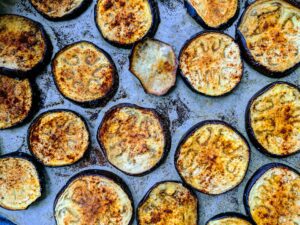
Photo of sliced and roasted eggplant from Lucian Alexe from Unplash

Garlicky Eggplant

  Garlicky eggplant is a savory dish featuring tender eggplant slices sautéed with garlic and herbs, offering a rich and...

Read More
Want To Learn More?

At Backyard Eats, we’re passionate about helping our clients discover and share the magic of homegrown good. Our Harvest Guides will teach you everything you need to know to harvest, store, and cook with fresh produce right from your own backyard! Our Harvest Toolkit Directory includes a list of all our step-by-step guides. Click below to give them a try!

Leeks

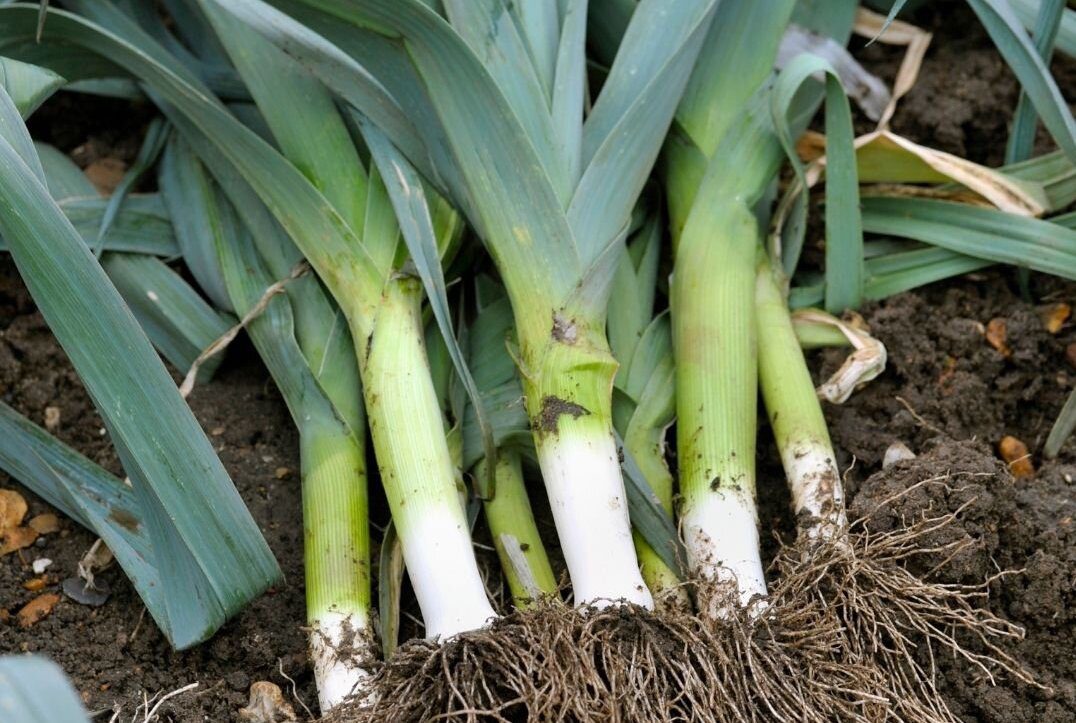
Photo of harvested bundle of leeks

Harvest Guide

Leeks

Harvesting Leeks

When It’s Ready
  • You may begin harvesting leeks when the stem reaches 1” in diameter
  • Unlike onions, the tops of leeks do not turn brown or die back to indicate readiness for harvest
  • August – October
  • Baby leeks can take a few months to mature. Fully mature leeks can take up to 120 days.
How To
  • Loosen the soil around each plant with a spading fork and lift each plant from the roots
  • Trim away roots, without cutting into the stem of the leek
  • You may also gently pull leeks from the soil as long as you do not break the stem
Photo of harvested bundle of leeks

Growing Leeks

Leeks have a mild, sweet onion-like flavor. They are often used in soups, stews, and casseroles. Leeks are typically eaten cooked and can be boiled, sautéed, roasted, or grilled. They can also be used as a substitute for onions in many dishes. The white and light green parts of the leek are the most commonly used, while the dark green parts are often discarded or used to flavor stocks and broths.

Storing Leeks

This vegetable is best when used fresh, but here are a few tips for preserving and storage.

Pre-Cooking Care: Before cooking, wash any loose soil between the fan-like leaves or outer layers of the leek

Fresh Storage: At 32 –41F, 95 -100% humidity. Keep in an airtight bag in the fridge for 1-2 months.

Long-Term: Leeks can be stored in the freezer, blanched, or dried for long-term use.

Cooking With Leeks

  1. Leek and Potato Soup: Sauté sliced leeks with butter, then simmer them with diced potatoes, vegetable broth, and herbs until the potatoes are tender. Blend until smooth for a comforting and creamy soup.
  2. Leek Quiche: Sauté chopped leeks until softened, then mix them with eggs, cheese, and cream. Pour the mixture into a pie crust and bake until golden and set. Enjoy a delicious and savory leek-filled quiche.
  3. Leek Risotto: Sauté sliced leeks in butter or olive oil, then cook Arborio rice with vegetable broth, white wine, and the sautéed leeks. Stir in grated Parmesan cheese for a creamy and flavorful risotto.
  4. Grilled Leeks: Slice leeks lengthwise, brush with olive oil, sprinkle with salt and pepper, and grill until tender and slightly charred. Grilled leeks make for a tasty and unique side dish or addition to salads and sandwiches.
  5. Leek and Mushroom Stir-Fry: Sauté sliced leeks with mushrooms, garlic, and your choice of additional vegetables. Add soy sauce or a stir-fry sauce of your choice for a delicious and savory stir-fry.

Recipes

Photo of harvested and trimmed leeks from Lucy May from Unsplash

Leeks Vinaigrette

Enjoy the simplicity of our leeks vinaigrette, a dish that celebrates fresh flavors in every bite. Tender leeks are lightly...

Read More

Want To Learn More?

At Backyard Eats, we’re passionate about helping our clients discover and share the magic of homegrown good. Our Harvest Guides will teach you everything you need to know to harvest, store, and cook with fresh produce right from your own backyard! Our Harvest Toolkit Directory includes a list of all our step-by-step guides. Click below to give them a try!

Lavender

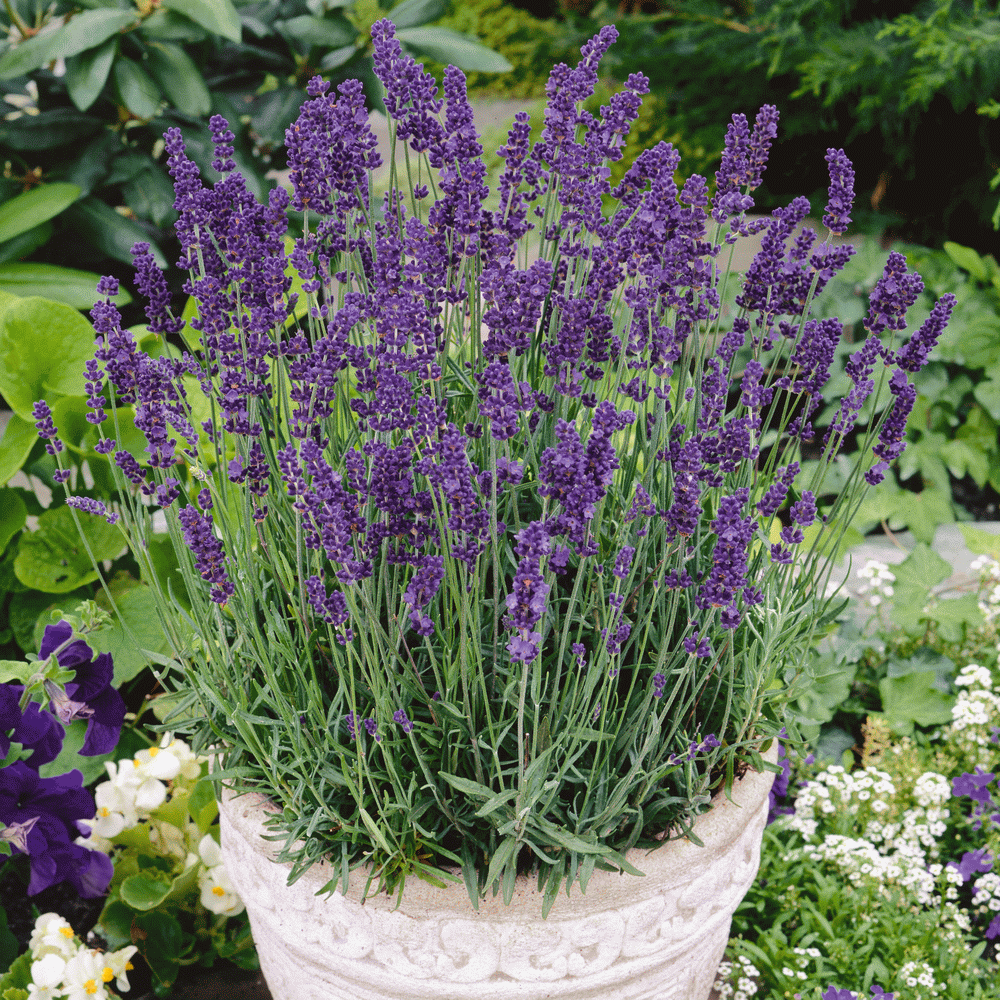
Lavender plant with purple flowers

Harvest Guide

Lavender

Harvesting Lavender

When It’s Ready
  • Lavender is ready when the plant begins to send up flower spikes
  • Flowers can be harvested midsummer
  • Harvest no more than one-third of a plant at a time to allow continued regrowth
  • Harvest at any time of the season
  • Mid-June – September
How To
  • Cut with scissors or pruners about one-third down the length of a main stem
  • Or clip off an entire branch
  • Pruning or harvesting midsummer is essential to maintaining a healthy looking plant
  • Without pruning, lavender will form a woody and leafless center
Lavender in a planter

About Mediterranean Herbs

Mediterranean herbs are plants that grow 0.5-3 ft tall. They require partial to full sun to thrive, but not trellising or pruning.

Flowering/Fruiting Tendencies

Mediterranean herbs are easy, multi-harvest plants for fresh use, drying, teas, and medicines. Most are typically easy to establish and just need seasonal clean-ups.

Design Notes

Space herbs about 18″ apart. Most are Mediterranean herbs don’t do well in super cold or moist soil. Will overwinter better in warm conditions.

Care Notes

Kitchen herbs benefit from compost. Mulching can be kept to a minimum as many kitchen herbs won’t benefit from the extra moisture retention. Kitchen herbs can typically be thinned/harvested in the summer and fall to keep them from growing wild. Many will get unwieldy and less productive after a few years and may need to be replaced.

Newly planted perennials require some additional care to help establish and support the plants as they grow. Water newly planted perennials deeply at the root 2-3 times a week during the first growing season. Apply compost and wood chip mulch in the late winter/early spring.

Storing Lavender

Long-Term Storage: “Woody” perennial herbs like lavender can be dried at home to enjoy all year long! First, trim stems from the main plant. Tie 3-5 stems together into a bundle, then hang them to dry in a cool, dark, and well-ventilated place for 2-3 weeks. 

Once the herbs are dry and brittle, you can store and enjoy them long-term.

Cooking With Lavender

  1. Lavender Lemonade: Infuse lavender flowers in lemonade for a fragrant and refreshing drink. Simply steep dried or fresh lavender flowers in hot water, strain, and mix the lavender-infused water with lemon juice and sweetener to taste.
  2. Lavender Shortbread Cookies: Add dried culinary lavender buds to a classic shortbread cookie recipe for a delicate floral twist. The lavender adds a subtle aroma and flavor to the buttery cookies.
  3. Lavender-Infused Honey: Combine dried or fresh lavender flowers with honey in a jar and let it infuse for several days. The floral notes of lavender beautifully complement the sweetness of the honey, making it a delightful addition to tea, yogurt, or as a drizzle over desserts.
  4. Lavender Roasted Chicken: Rub chicken with a mixture of dried lavender buds, salt, pepper, and olive oil before roasting. The lavender adds a unique and fragrant dimension to the savory flavors of the chicken.
  5. Lavender Simple Syrup: Make a lavender-infused simple syrup by simmering equal parts water and sugar with dried lavender flowers. Use this syrup to sweeten cocktails, iced tea, or as a flavoring for desserts like cakes or sorbets.

Recipes

Want To Learn More?

At Backyard Eats, we’re passionate about helping our clients discover and share the magic of homegrown good. Our Harvest Guides will teach you everything you need to know to harvest, store, and cook with fresh produce right from your own backyard! Our Harvest Toolkit Directory includes a list of all our step-by-step guides. Click below to give them a try!

Kohlrabi

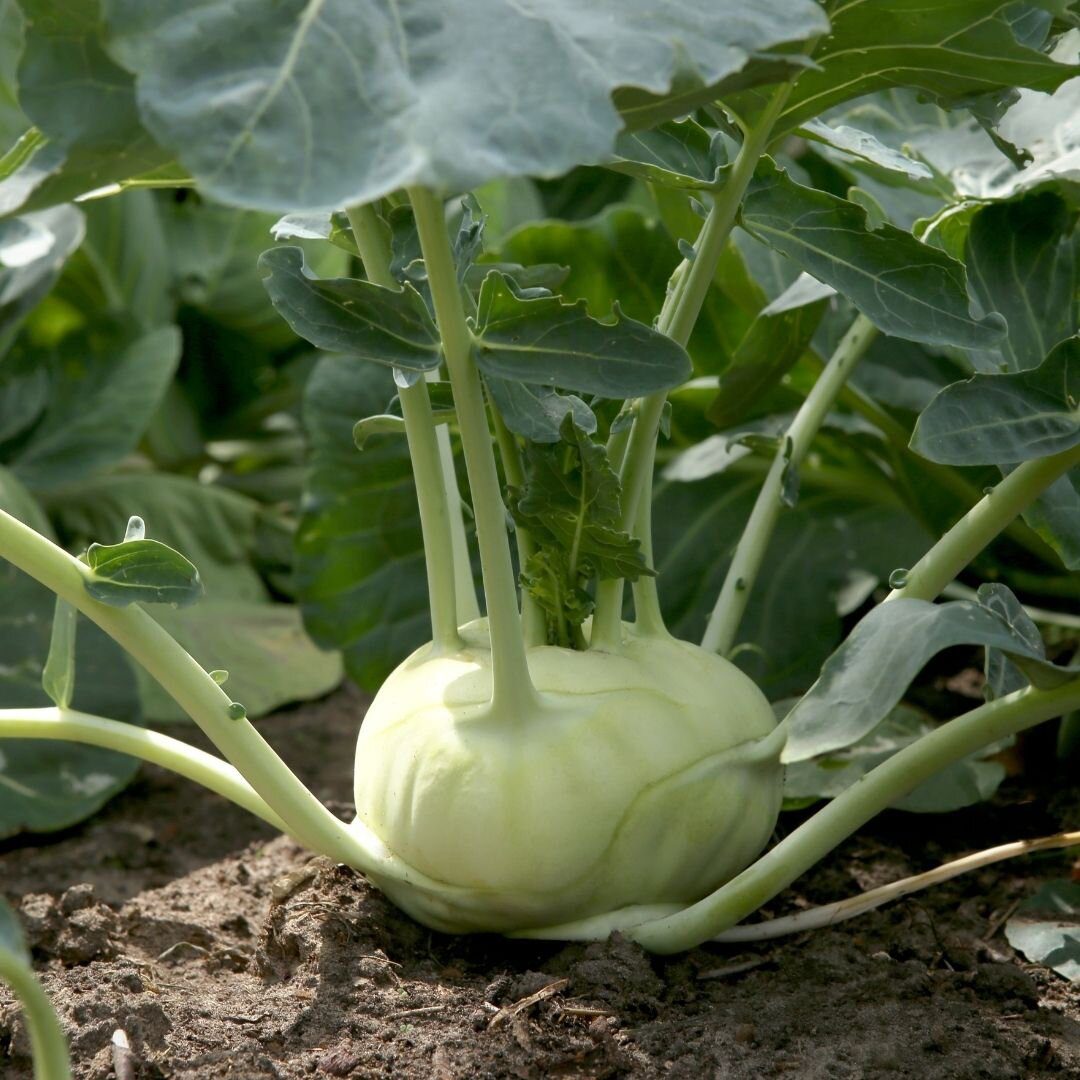
Photo of kohlrabi bulb in the ground

Harvest Guide

Kohlrabi

Harvesting Kohlrabi

When It’s Ready
  • Harvest kohlrabi when the swollen part of the stem (bulb) is 2-3 inches in diameter
  • Mid-late June – early July
How To
  • To harvest leaves, cut the leaf stems 1 inch away from the bulb
  • To harvest the bulb, remove all leaf stems and leaves. Find where the stem narrows near the soil level and cut it a couple inches away from the bulb.
  • Use the remaining bulb as you would turnips.
Photo of kohlrabi bulb in the ground

Growing Kohlrabi

Kohlrabi is a vegetable that is similar in taste and texture to cabbage, with a sweet, mild, and slightly nutty flavor. It is a versatile ingredient that can be eaten raw or cooked. The bulb and the leaves are both edible.

Kohlrabi is typically used as a vegetable ingredient, and can be roasted, sautéed, or boiled to bring out its sweet and nutty flavor. It can also be sliced or grated and used in salads, slaws, or as a crudité. Kohlrabi can also be used as a substitute for cabbage in dishes such as coleslaw.

Storing Kohlrabi

This vegetable is best when used fresh, but here are a few tips for preserving and storage.

Fresh Storage: Keep in an airtight bag in the fridge for 1-2 months.

Long-Term: Kohlrabi will keep for several months in a cold, moist, root cellar.

Cooking With Kohlrabi

  1. Kohlrabi Slaw: Shred or julienne kohlrabi bulbs and combine them with grated carrots, thinly sliced cabbage, and a tangy dressing of your choice. Add herbs like parsley or cilantro for extra flavor and serve as a refreshing and crunchy slaw.
  2. Roasted Kohlrabi: Peel and cube kohlrabi bulbs, toss them with olive oil, salt, and pepper, and roast them in the oven until they become tender and slightly caramelized. Roasted kohlrabi can be enjoyed as a flavorful and nutritious side dish.
  3. Kohlrabi Fries: Cut kohlrabi into thin sticks, toss them with olive oil, salt, and your preferred seasonings, and bake or air fry them until crispy. These delicious and healthier “fries” make for a satisfying snack or side dish.
  4. Kohlrabi Stir-Fry: Slice or julienne kohlrabi and stir-fry it with other vegetables like bell peppers, carrots, and snap peas. Season with soy sauce, ginger, and garlic for an Asian-inspired stir-fry. Serve over rice or noodles.
  5. Kohlrabi Salad: Peel and slice kohlrabi bulbs into thin rounds, then combine with mixed salad greens, cherry tomatoes, sliced cucumbers, and your choice of dressing. This refreshing and crunchy salad is a great way to enjoy the mild and crisp flavor of kohlrabi.

Recipes

Photo of french fries from Alex Hussein from Pexels

Kohlrabi Fries

Kohlrabi fries are a unique and flavorful alternative to traditional potato fries, offering a delightful twist on a beloved snack....

Read More

Want To Learn More?

At Backyard Eats, we’re passionate about helping our clients discover and share the magic of homegrown good. Our Harvest Guides will teach you everything you need to know to harvest, store, and cook with fresh produce right from your own backyard! Our Harvest Toolkit Directory includes a list of all our step-by-step guides. Click below to give them a try!

Kale

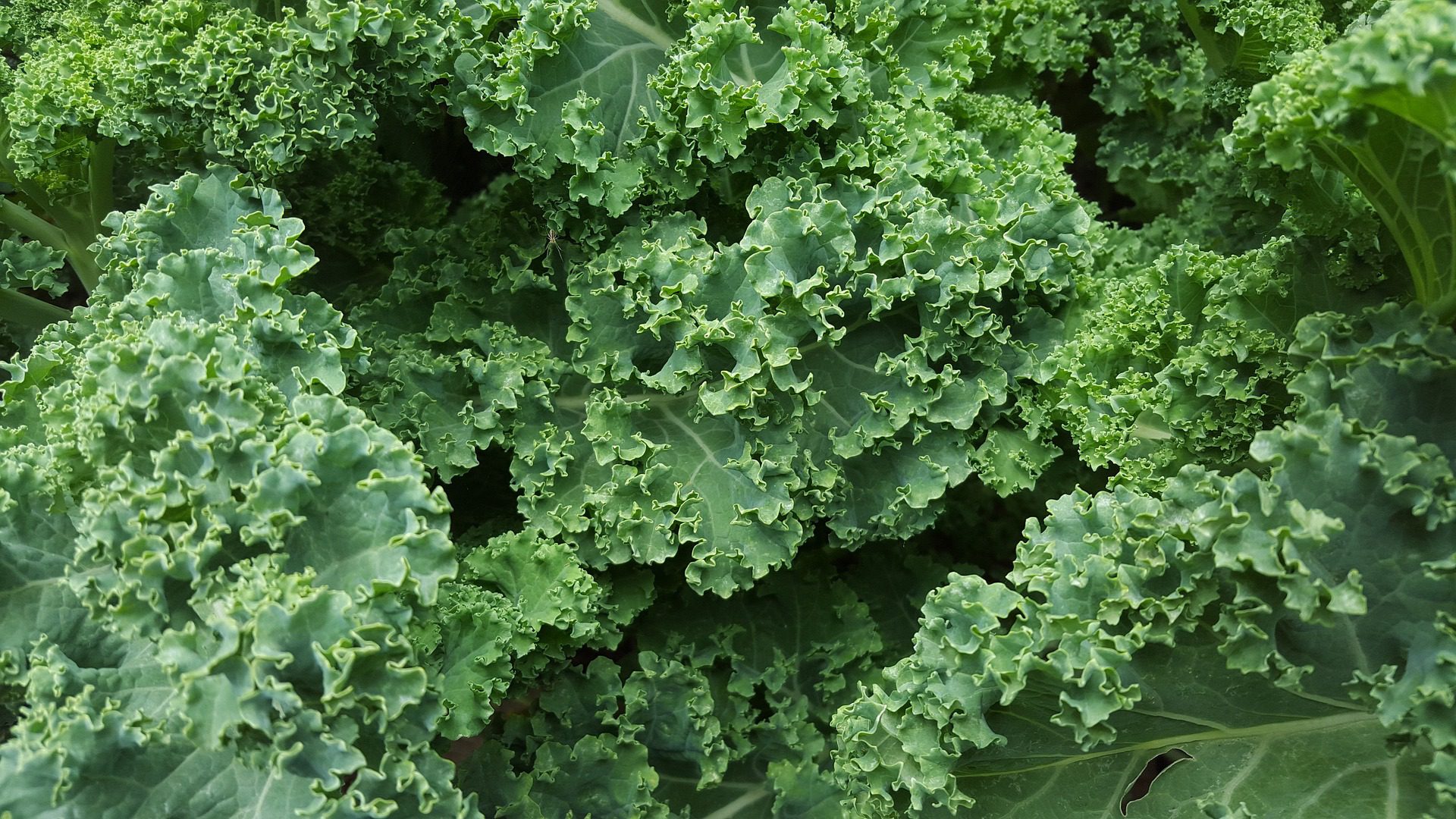
Detail view of kale leaves

Harvest Guide

Kale

Harvesting Kale

When It’s Ready
  • When plants are 15-18 inches tall
  • Or when the leaves are about a foot long
  • Kale can be eaten at many different stages of growth, the flavor develops more fully as it grows larger.
  • May – December
When It’s Too Late
  • Kale is past due for harvesting when it flowers.
  • White or pale yellow flowers will appear at the top of your kale stalks
  • The leaves will begin to taste increasingly bitter.
How To
  • Use a sharp knife to harvest the lowest and outermost leaves first
  • Cut leaves close to the center stalk, leaving the stalk intact.
  • Leave the smaller leaves at the top of the plant and any dead or yellow leaves on the bottom.
  • Harvest often to reduce pest and disease pressure and increase productivity
Detail view of kale leaves

Growing Kale

Kale is a leafy green vegetable with a slightly bitter and earthy flavor. Kale can be sautéed, steamed, or roasted to bring out its sweet and nutty flavor. It can also be eaten raw in salads, smoothies, and juices. Kale can also be used as a substitute for spinach in many dishes such as pasta and grain bowls.

Varieties of Kale

Curly Kale | Lacinato Kale

Storing Kale

Short-Term Storage: Wrap kale in a paper towel or kitchen towel, and place inside a plastic bag in the refrigerator until ready to use.

Long-Term Storage: Blanch kale, dry completely, and freeze in an airtight container for up to 6 months.

Cooking With Kale

  1. Kale Salad: Massage chopped kale leaves with lemon juice, olive oil, and a pinch of salt until they soften. Add toppings like grated Parmesan cheese, dried cranberries, and toasted nuts for a hearty and nutritious salad.
  2. Kale Chips: Toss kale leaves with olive oil, sprinkle with salt and seasonings of your choice (such as garlic powder or paprika). Bake in the oven until crispy for a healthier alternative to potato chips.
  3. Sautéed Kale: Heat olive oil in a pan, add chopped kale leaves, and sauté until wilted. Season with salt, pepper, and a splash of lemon juice or vinegar for a quick and nutritious side dish.
  4. Kale Smoothie: Blend kale leaves with fruits like bananas, berries, and a liquid of your choice (such as almond milk or coconut water) to create a nutrient-packed and vibrant smoothie. Add a spoonful of nut butter or a dash of honey for added sweetness.
  5. Kale Pesto: Blend kale leaves, garlic, pine nuts, Parmesan cheese, and olive oil to make a flavorful kale pesto. Use it as a spread on sandwiches, a pasta sauce, or a marinade for grilled meats.

Recipes

Want To Learn More?

At Backyard Eats, we’re passionate about helping our clients discover and share the magic of homegrown good. Our Harvest Guides will teach you everything you need to know to harvest, store, and cook with fresh produce right from your own backyard! Our Harvest Toolkit Directory includes a list of all our step-by-step guides. Click below to give them a try!

Hot Peppers

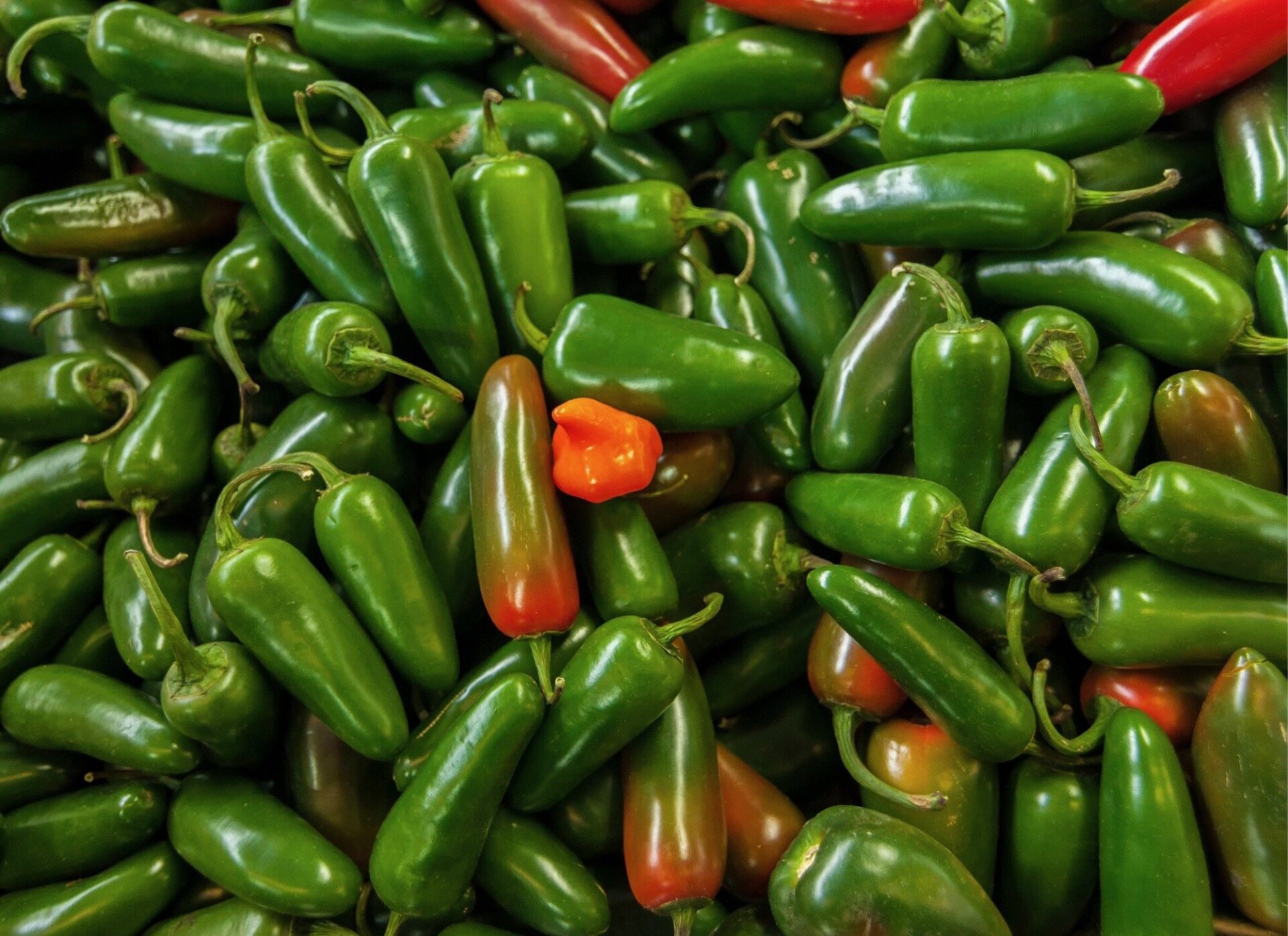
Harvested hot peppers turning from green to red

Harvest Guide

Hot Peppers

Harvesting Hot Peppers

When It’s Ready
  • Habanero peppers are ready to harvest when fully orange
  • Jalapenos can be picked at any stage from green to red: the redder they are, the sweeter they’ll be
  • Shishitos can also be picked at any stage
Harvest Window
  • Jalapeno: early-mid July – first frost
  • Habanero: early-mid August – first frost
  • Shishito: late June/early July – first frost
When It’s Too Late
  •  Both Jalapeno and Poblano peppers will grow spicier if left on the vine
How To
  • Cut individual peppers from the plant, leaving a short stem above the calyx (the green part attached to the fruit)
Harvested hot peppers turning from green to red

Growing Hot Peppers

Hot peppers, also known as chili peppers, are a popular ingredient in many cuisines around the world. They have a spicy and pungent flavor that ranges from mild to extremely hot, depending on the variety. Hot peppers are typically used as a seasoning or ingredient, and can be added to dishes either fresh or dried. They pair well with a variety of other ingredients, including garlic, onions, and tomatoes. Hot peppers can be used to add heat and depth of flavor to a range of dishes, including soups, stews, curries, and sauces.

Varieties of Hot Peppers

Jalapeno Pepper | Shishito Pepper

Storing Hot Peppers

Fresh Storage: Peppers can be stored fresh for 1-6 weeks in the fridge.

Long-Term Storage: Peppers can be dried in a cool and dark place for long term usage.

Cooking With Hot Peppers

  1. Spicy Salsa: Dice hot peppers, such as jalapeños or serranos, and mix them with tomatoes, onions, cilantro, lime juice, and salt. Adjust the amount of peppers to your desired heat level for a fiery and flavorful salsa.
  2. Stuffed Hot Peppers: Slice hot peppers lengthwise and remove the seeds. Fill the pepper halves with a mixture of cream cheese, shredded cheese, and herbs. Bake or grill until the peppers are tender and the filling is melted and golden.
  3. Spicy Stir-Fry: Slice or dice hot peppers and add them to stir-fries for an extra kick of heat. Pair them with other vegetables, meats, and your favorite stir-fry sauce for a spicy and flavorful dish.
  4. Hot Pepper Jelly: Blend hot peppers with sugar, vinegar, and pectin to create a sweet and spicy jelly. Use it as a condiment for cheeses, crackers, or as a glaze for meats.
  5. Pickled Hot Peppers: Slice hot peppers and pickle them in a mixture of vinegar, water, salt, and spices. Let them sit for a few days to develop tangy and spicy flavors. Use the pickled peppers as a condiment, in sandwiches, or to add heat to various dishes.

Recipes

Want To Learn More?

At Backyard Eats, we’re passionate about helping our clients discover and share the magic of homegrown good. Our Harvest Guides will teach you everything you need to know to harvest, store, and cook with fresh produce right from your own backyard! Our Harvest Toolkit Directory includes a list of all our step-by-step guides. Click below to give them a try!

Heirloom and Beefsteak Tomatoes

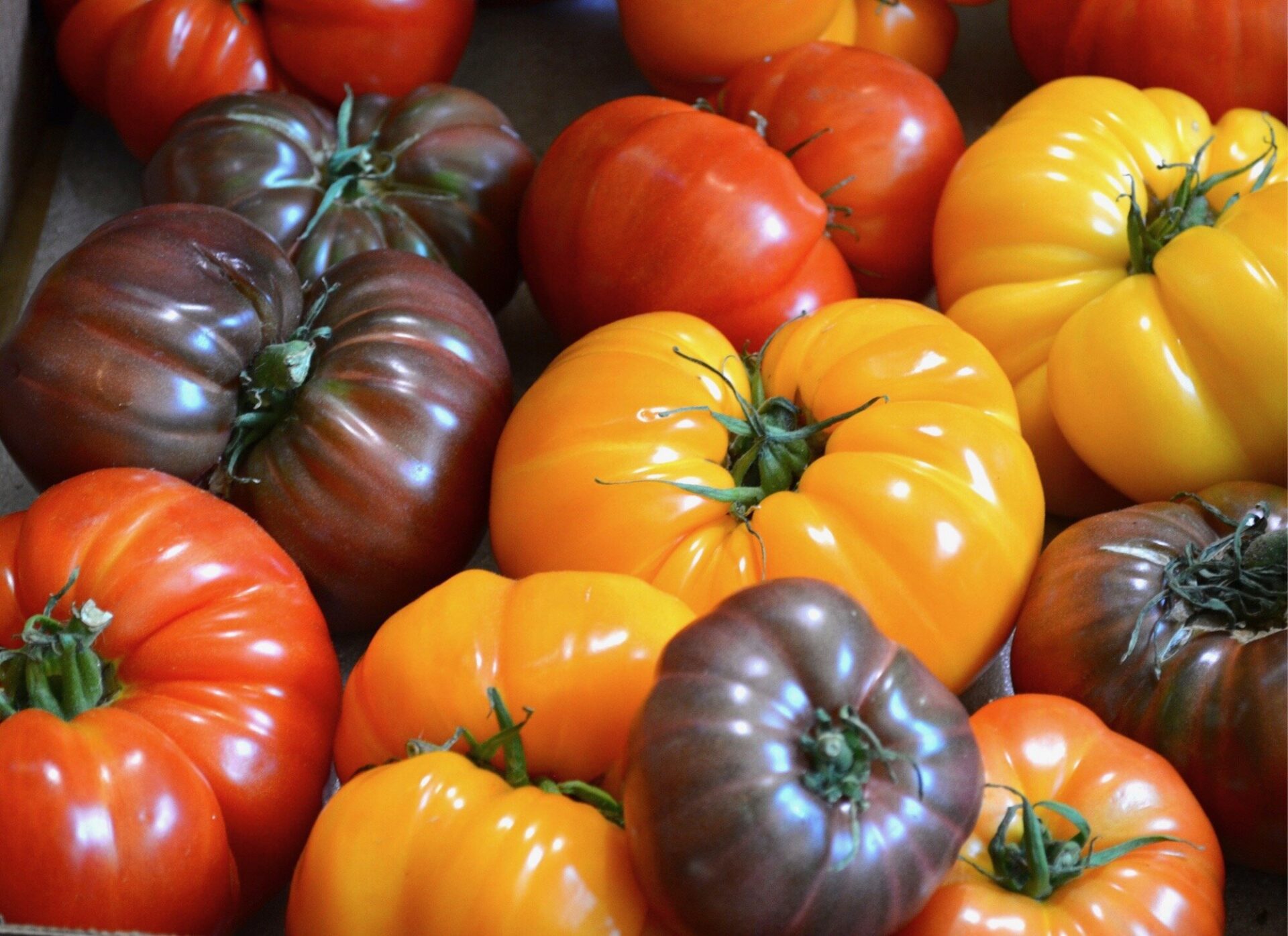
Collection of colorful heirloom tomatoes

Harvest Guide

Heirloom and Beefsteak Tomatoes

Harvesting Heirloom and Beefsteak Tomatoes

When It’s Ready
  • Tomatoes can be harvested any time after the appearance of orange or yellow coloring on the blossom end (bottom). Harvest at this stage and bring inside where it will be protected from critters, insects, and excessive rain.

  • “Once tomatoes start ripening, check the vines almost daily in order to harvest fruits at their peak.” [RUEOG]

  • “Most plants can survive a light frost if adequately mulched, but at the first sign of a heavy frost, harvest all the fruits, even the green ones.” [RUEOG]

When It’s Too Late
  • Excessive rainfall may cause ripening or ripe tomatoes to split, which is one reason we recommend harvesting before ripening.
  • Overripe tomatoes will begin to fall from the vine, or be easily smashed with light pressure.
How To
  • Cut or gently twist off the fruits, supporting the vine at the same time to keep from damaging it.
  • If a fruit does not detach easily from the vine, leave it to fully ripen unless in danger of hard frost.
Collection of colorful heirloom tomatoes

Growing Heirloom and Beefsteak

Heirloom tomatoes come in a variety of shapes, sizes, and colors, and are known for their unique and complex flavors. Heirloom tomatoes are typically used as a vegetable ingredient, and can be eaten raw or cooked. They can be sliced and used in salads, sandwiches, or as a topping for pizza or bruschetta. They can also be roasted, grilled, or stewed to bring out their rich and savory flavor.

Varieties of Heirloom and Beefsteak Tomatoes:

Beefsteak Tomato ‘Big Beef’ | Black Beefsteak Tomato ‘Carbon’ | Early Tomato ‘New Girl’, Heirloom Tomato ‘Mortgage Lifter’ | Large Heirloom Tomato ‘Brandywine’ | Multicolor Tomato ‘Pineapple Express’

Storing Heirloom and Beefsteak Tomatoes

  • Ripe tomatoes will keep refrigerated for several weeks, or shorter when kept at room temperature.
  • Green tomatoes will eventually ripen if kept in a warm place out of direct sunlight. To slowly ripen green tomatoes, and thereby extend your harvest, wrap them in newspaper and place in a dark, cool area, checking frequently to make sure that none rot.
  • Allow your tomato to come to room temperature before serving.
  • Partially damaged or rotten tomatoes can be used in sauces if the damaged portion is completely removed.

Cooking With Heirloom and Beefsteak Tomatoes

  1. Heirloom Tomato Caprese Salad: Slice heirloom tomatoes and layer them with fresh mozzarella cheese, basil leaves, and a drizzle of balsamic glaze or olive oil. Sprinkle with salt and pepper for a colorful and delicious Caprese salad.
  2. Beefsteak Tomato Sandwich: Slice beefsteak tomatoes and use them as the star ingredient in a classic sandwich. Layer with lettuce, bacon, avocado, and your choice of meats or cheeses for a satisfying and juicy sandwich.
  3. Heirloom Tomato Bruschetta: Dice heirloom tomatoes and mix them with minced garlic, fresh basil, olive oil, salt, and pepper. Spoon the mixture onto toasted baguette slices for a vibrant and flavorful appetizer.
  4. Grilled Beefsteak Tomato: Slice beefsteak tomatoes into thick rounds, brush with olive oil, and grill them until slightly charred. Sprinkle with salt, pepper, and herbs like thyme or rosemary for a smoky and flavorful side dish or burger topping.
  5. Heirloom Tomato Gazpacho: Blend ripe heirloom tomatoes with cucumbers, bell peppers, onions, garlic, and herbs to create a refreshing gazpacho soup. Serve chilled and garnish with a drizzle of olive oil and chopped herbs for a light and flavorful starter.

Recipes

Photo of bruschetta on toast from Lucie Liz from Pexels

Heirloom Tomato Bruschetta

Crafting heirloom tomato bruschetta is both effortless and gratifying when using the freshest ingredients. The simplicity of this recipe allows...

Read More

Want To Learn More?

At Backyard Eats, we’re passionate about helping our clients discover and share the magic of homegrown good. Our Harvest Guides will teach you everything you need to know to harvest, store, and cook with fresh produce right from your own backyard! Our Harvest Toolkit Directory includes a list of all our step-by-step guides. Click below to give them a try!

Head Lettuce

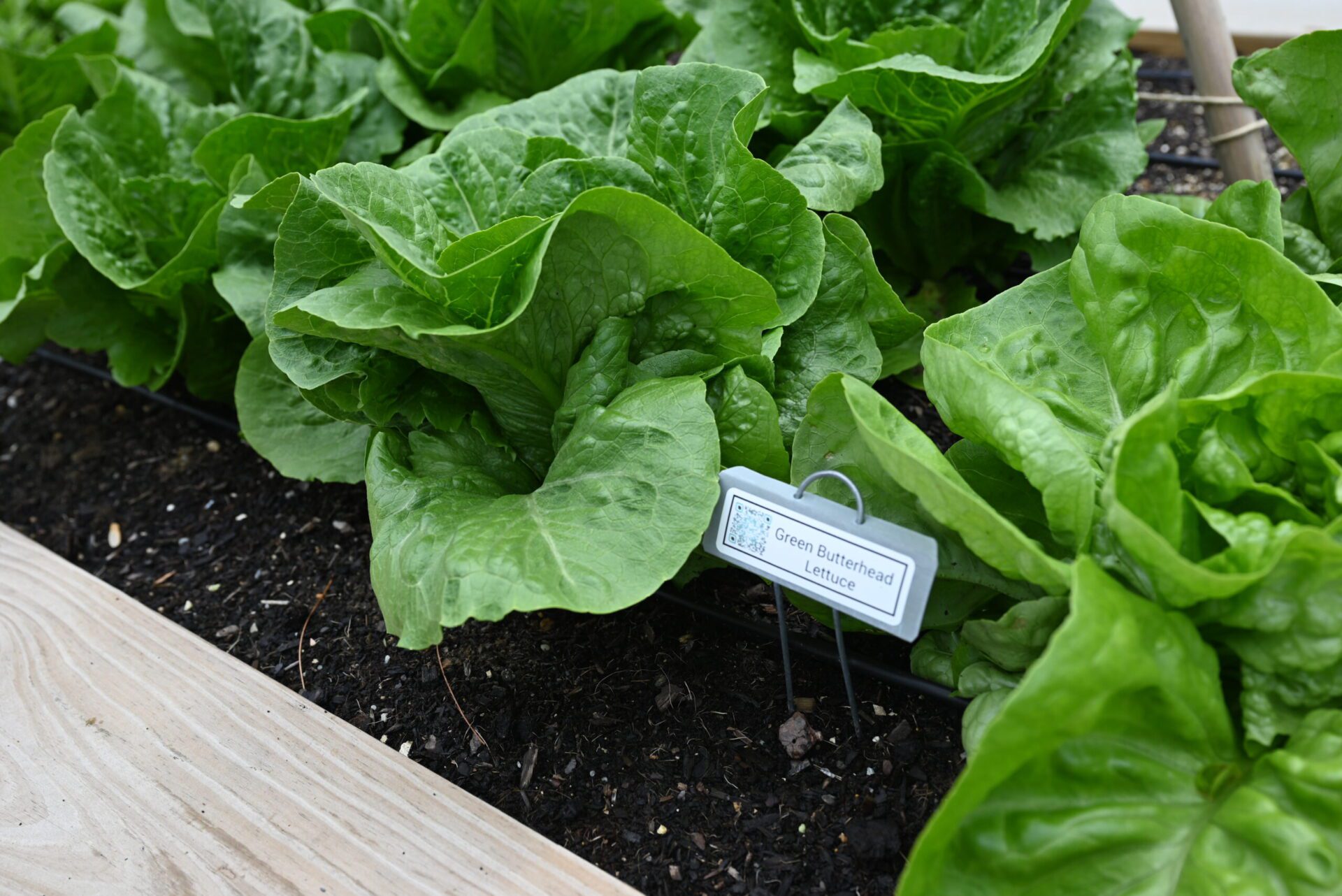
Photo of a row of butterhead lettuce in a raised bed

Harvest Guide

Head Lettuce

Harvesting Head Lettuce

When It’s Ready
  • In the early stages, you may cut off individual leaves (e.g. for a sandwich)
  • Harvest the full head of lettuce whenever it is filled out, or when the leaves from nearby lettuces push up against each other
  • May – June
When It’s Too Late
  •  When plants have gone to flower (aka bolted), which makes them bitter and unpalatable
  • You can tell a lettuce is bolting when it starts to grow upward, taking the shape of a cone
  • Harvest ASAP if you see this happening
How To
  • Cut the entire head free by slicing along the soil line with a sharp knife
Pro Tip
  • Harvest in the early morning when the lettuce is most crisp, before it starts to wilt from the heat of the day
Photo of a row of butterhead lettuce in a raised bed

Growing Head Lettuce

Head lettuce has a mild and slightly sweet flavor, with a crisp and crunchy texture. Head lettuce is typically used as a salad ingredient, and can be eaten raw or cooked. It can be torn or chopped into bite-sized pieces and used as the base for a salad, or used as a wrap for sandwiches or burgers. It can also be grilled, roasted, or sautéed to add a unique and flavorful touch to a range of dishes. Head lettuce pairs well with a variety of other ingredients, including fruits, nuts, and cheeses.

Varieties of Head Lettuce

Green Butterhead Lettuce | Green Summer Crisp Lettuce | Red Butterhead Lettuce | Red Summer Crisp Lettuce | Romaine Lettuce

Storing Head Lettuce

Post-Harvest Care: Cool and rinse immediately after harvest by dunking into cold water. Leave on a towel to dry.

Fresh Storage: Place in airtight bags or containers and refrigerate. Lasts up to 2 weeks when stored fresh from the garden.

Long-Term Storage: Do not freeze lettuce.

Cooking With Head Lettuce

  1. Classic Garden Salad: Tear or chop head lettuce into bite-sized pieces and combine with other salad vegetables like tomatoes, cucumbers, and carrots. Toss with your favorite dressing and enjoy a refreshing and crisp salad.
  2. Lettuce Wraps: Use large lettuce leaves, such as iceberg or butter lettuce, as a wrapper for fillings like grilled chicken, tofu, or seasoned ground meat. Add your choice of vegetables, sauces, and toppings for a light and flavorful wrap.
  3. Caesar Salad: Toss torn romaine lettuce leaves with Caesar dressing, grated Parmesan cheese, and croutons. Add grilled chicken or shrimp for a more substantial meal. This classic salad is a crowd-pleaser.
  4. Lettuce Cups: Use lettuce leaves, such as Boston lettuce or green leaf lettuce, as cups to hold fillings like chicken or tuna salad, stir-fried vegetables, or even taco fillings. The lettuce cups provide a refreshing and low-carb alternative to traditional wraps or tortillas.
  5. Grilled Lettuce: Brush lettuce halves or wedges with olive oil, season with salt and pepper, and grill until lightly charred and wilted. Drizzle with a vinaigrette or a squeeze of lemon juice for a smoky and unique twist on salad.

Recipes

Want To Learn More?

At Backyard Eats, we’re passionate about helping our clients discover and share the magic of homegrown good. Our Harvest Guides will teach you everything you need to know to harvest, store, and cook with fresh produce right from your own backyard! Our Harvest Toolkit Directory includes a list of all our step-by-step guides. Click below to give them a try!

Garlic

Person holding garlic bulbs in their hands

Harvest Guide

Garlic

Harvesting Garlic

Harvest Garlic Scapes
  • In spring (April/May), a central flower stalk appears. This is called the scape, and it’s a tasty early product of hardneck garlic.
  • After the scape has begun to curl over the top of the plant, grasp it where it emerges from the central whorl of leaves
  • Snap or cut the scape off
  • Timely scape removal redirects the plant’s resources to the bulb below ground
Harvest Garlic Bulbs
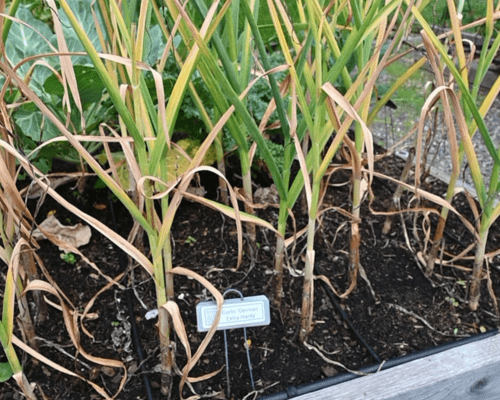
  • Begin harvest when roughly half the leaves have died back and turned brown (pictured below)

  • Grasp the stem near the base of the plant and pull the entire plant out of the soil

  • If necessary, gently loosen the soil around the bulb
  • Do not dig garlic out with a shovel, as this can inadvertently damage the bulbs

  • Pro Tip: don’t harvest garlic just after its rained, as the wet soil will make the garlic harder to pull

  • Late June – mid-July
Closeup photo of browning garlic getting ready to harvest in a raised bed

Growing Garlic

Garlic is widely used as a flavoring ingredient in many cuisines around the world. It has a pungent and spicy taste, with a strong and distinctive aroma. Garlic is typically used as a seasoning or ingredient, and can be added to dishes either whole, minced, or chopped. It can be used to add depth of flavor to a range of dishes, including soups, stews, curries, marinades, and sauces. It also pairs well with a variety of other ingredients, including onions, tomatoes, and herbs.

Varieties of Garlic

Garlic ‘German Extra Hardy’ | Hardneck Garlic

Hardneck garlic varieties offer an intense flavor and an early “bonus” harvest in the form of a scape or flower stalk. Elephant garlic is not actually garlic but a member of the onion family.

Storing Garlic

Scape Storage: Store scapes in a bag in the refrigerator for 2-3 weeks. They can be kept in a glass with water (and look pretty neat!) for a few days if the water is changed daily.

Garlic Bulb Storage: Garlic can be used fresh (uncured), but won’t store for longer than a couple weeks. Cured  garlic can be stored in a cool, dark, dry place for 4-6 months.

Curing Garlic:

  • Curing garlic lets garlic cloves air out their water content. Once garlic cloves are dry enough for long-term storage, the protective outer laters will turn papery and the cloves can be split apart.

Note: don’t wash garlic before your cure it, as this adds unwanted moisture

  • Store freshly harvested garlic in a hot, dry, dark, and well-ventilated place for a few weeks, using fans to increase air circulation if humidity is especially high.
      • Don’t pile bulbs on top of each other: this prevents air circulation
      • Direct sunlight can also sunburn your garlic
  • Once cured, trim off the roots to 1/4″ and the neck (stem) to 1-3″, then store in cool, dry, dark conditions: ideally 32-41 ℉, 65 –70% humidity. Hardneck garlic (the type we grow) will last 4-6 months if cured properly.

Cooking With Garlic

  1. Garlic Roasted Potatoes: Toss diced potatoes with olive oil, minced garlic, salt, and pepper. Roast in the oven until golden and crispy for a flavorful and comforting side dish.
  2. Garlic Shrimp: Sauté shrimp in a pan with minced garlic, butter, and a squeeze of lemon juice. Season with salt, pepper, and herbs like parsley or cilantro. Serve over rice or with crusty bread for a quick and tasty seafood dish.
  3. Garlic Butter Green Beans: Sauté trimmed green beans in a pan with minced garlic and butter until they are crisp-tender. Season with salt, pepper, and a squeeze of lemon juice for a simple and flavorful side dish.
  4. Garlic Bread: Spread a mixture of minced garlic, butter, and herbs like parsley onto slices of bread. Toast in the oven until golden and fragrant. Serve as a delicious accompaniment to pasta dishes or soups.
  5. Garlic and Herb Marinade: Combine minced garlic, olive oil, lemon juice, and a variety of herbs like rosemary, thyme, and oregano. Use the marinade to marinate chicken, beef, or vegetables for added flavor before grilling or roasting.

Recipes

Photo of sliced and roasted eggplant from Lucian Alexe from Unplash

Garlicky Eggplant

  Garlicky eggplant is a savory dish featuring tender eggplant slices sautéed with garlic and herbs, offering a rich and...

Read More
Want To Learn More?

At Backyard Eats, we’re passionate about helping our clients discover and share the magic of homegrown good. Our Harvest Guides will teach you everything you need to know to harvest, store, and cook with fresh produce right from your own backyard! Our Harvest Toolkit Directory includes a list of all our step-by-step guides. Click below to give them a try!

Eggplant

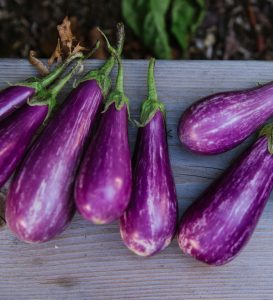
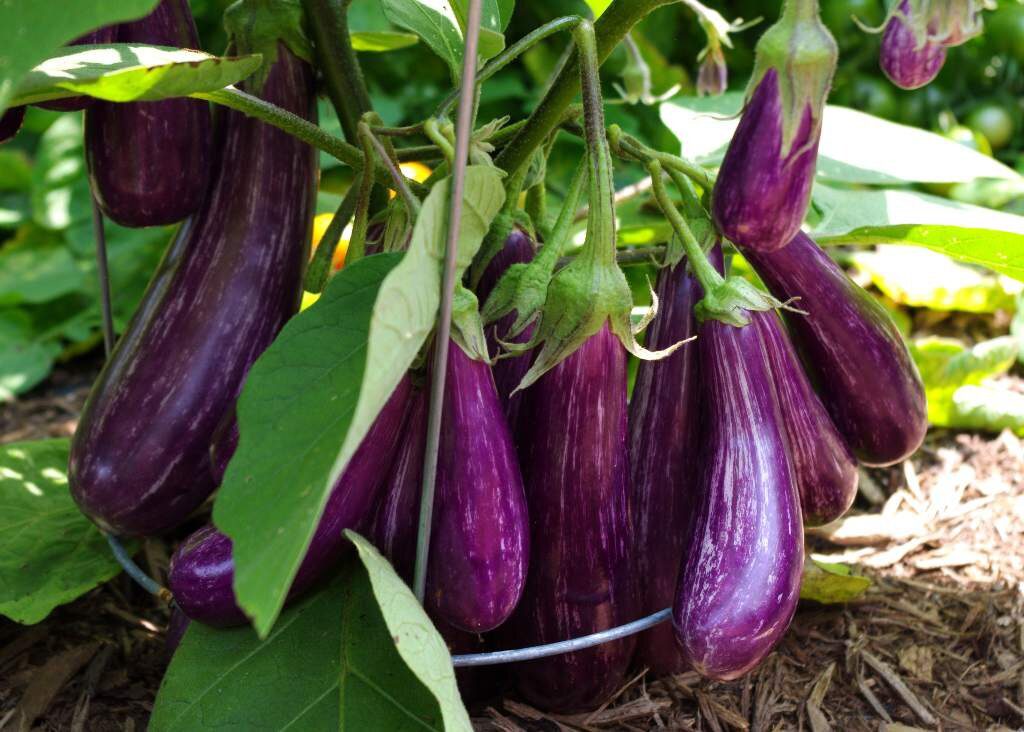
Mini purple eggplant on the vine

Harvest Guide

Eggplant

Harvesting Eggplant

When It’s Ready
  • Eggplants can be harvested at varying sizes. Like cucumbers, larger eggplants will have larger seed cavities which can be undesirable for cooking
  • Asian eggplant: pick when 6-12″ long
  • Italian eggplant: pick when 8-9″ long
  • Mini eggplant: pick when 3-4″ long
  • When your eggplants reach your desired size, harvest continuously to promote further fruit production
  • Late July – September
When It’s Too Late
  • “If you cut open an eggplant fruit and find that the seeds inside have turned brown, the fruit is past prime quality and the flavor may be bitter. The best way to avoid this is by picking fruits on the young side, when they are one-third to two-thirds of their fully mature size.”
How To
  • Using gardening scissors or a sharp knife, cut the eggplant from the vine leaving a half inch of the stem attached to the calyx (the green top)
Mini purple eggplant on the vine

Growing Eggplant

Eggplant is a vegetable that is known for its distinctive shape and deep purple color. It has a mild and slightly sweet taste, with a spongy and meaty texture that pairs well with sauces. Eggplant can be grilled, roasted, sautéed, or fried, and is often used in dishes such as ratatouille, moussaka, and baba ghanoush. It also pairs well with a variety of other ingredients, including tomatoes, garlic, and herbs.

Varieties of Eggplant

Asian Eggplant | Italian Eggplant | Mini Eggplant ‘Fairy Tale’ | Mini Eggplant ‘Little Prince’

Storing Eggplant

Store at 46-54F, 90-95% humidity.

No long-term storage, sort through weekly and discard soft fruit.

Cooking With Eggplant

  1. Eggplant Parmesan: Bread and fry eggplant slices, then layer them with marinara sauce, mozzarella, and Parmesan cheese. Bake until golden and bubbly for a delicious Italian-inspired dish.
  2. Grilled Eggplant: Brush eggplant slices with olive oil and season with salt and pepper. Grill until tender and slightly charred for a flavorful and healthy side dish or sandwich filling.
  3. Baba Ganoush: Roast or grill eggplant until the skin is charred and the flesh is soft. Scoop out the flesh, mash it with garlic, lemon juice, tahini, and olive oil. Serve as a dip with pita bread or vegetables.
  4. Ratatouille: Combine eggplant with tomatoes, zucchini, bell peppers, and onions in a stew-like dish. Simmer until all the flavors meld together for a hearty and comforting vegetable medley.
  5. Eggplant Stir-Fry: Slice eggplant and stir-fry it with your favorite vegetables, such as bell peppers, broccoli, and mushrooms. Add soy sauce, garlic, and ginger for an Asian-inspired stir-fry. Serve with rice or noodles.

Recipes

Photo of sliced and roasted eggplant from Lucian Alexe from Unplash

Garlicky Eggplant

  Garlicky eggplant is a savory dish featuring tender eggplant slices sautéed with garlic and herbs, offering a rich and...

Read More

Purple harvested eggplant on wooden ledge

Eggplant Caprese Stacks

Eggplant Caprese stacks are a delightful and creative twist on the classic Caprese salad, featuring layers of tender eggplant, ripe...

Read More
Photo of cooked eggplant from Wikipedia

Eggplant Parmesan

Eggplant Parmesan is a classic and comforting dish that highlights the tender texture of eggplant and the rich flavors of...

Read More
Want To Learn More?

At Backyard Eats, we’re passionate about helping our clients discover and share the magic of homegrown good. Our Harvest Guides will teach you everything you need to know to harvest, store, and cook with fresh produce right from your own backyard! Our Harvest Toolkit Directory includes a list of all our step-by-step guides. Click below to give them a try!