
Onions

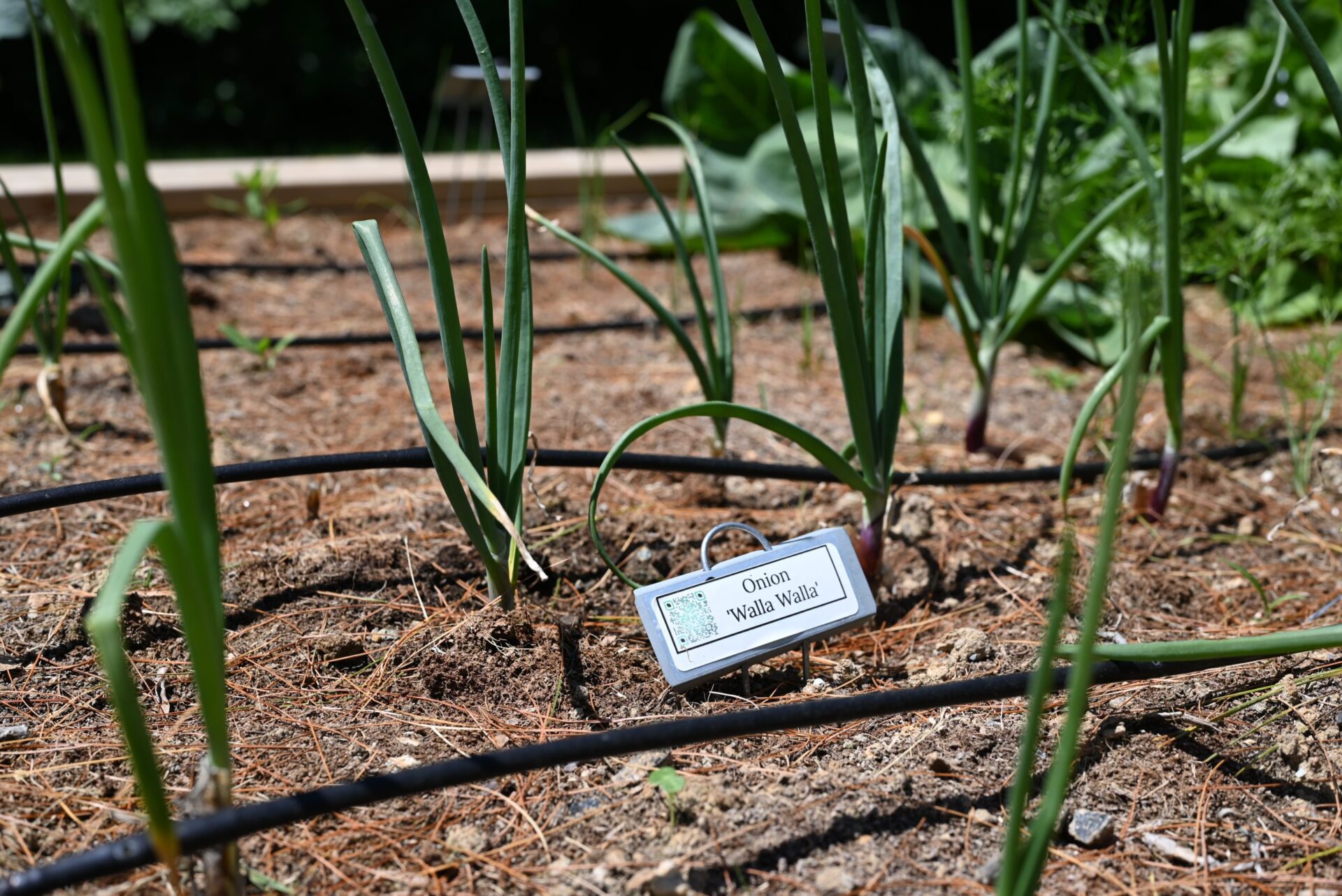
Photo of onions growing in a raised bed with drip irrigation

Harvest Guide

Onions

Harvesting Onions

When It’s Ready
  • Once onion tops turn yellow, use the back of a rake to bend them over horizontally
  • This stops the sap from flowing to the stems and diverts the plant’s energy into maturing the bulb
  • A day or so later, when the tops turn brown, the bulbs are ready to harvest
  • Mid-July – August
How To
  • Take care to uproot the plant without damaging the bulb
  • If possible, don’t harvest onions just after it’s rained, as the wet soil will make the onions harder to pull
Photo of onions growing in a raised bed with drip irrigation

Growing Onions

Onions have a unique and distinct flavor that can range from sweet to pungent, depending on the type of onion and how it’s prepared. When raw, onions have a sharp and somewhat spicy flavor that can make your eyes water. However, when cooked, their flavor becomes more mellow and sweet. Onions can even be caramelized to bring out their natural sweetness. They make a great addition to salads and sandwiches.

Varieties of Onion:

Mild Yellow ‘Walla Walla’ Onion | Red Onion

Storing Onions

Onions can be used fresh (uncured), but won’t store for longer than a couple weeks. Cured onions can be stored in a cool, dark, dry place for 4-12 months.

Curing Onions:

  • Curing onions lets the bulbs air out their water content. Once onions are dry enough for long-term storage, the protective outer laters and stem will turn dry and papery.

Note: don’t wash onions before your cure them, as this adds unwanted moisture

  • If you harvest onions on a sunny day, you may leave them outside to dry for 2-7 days. Lay the tops of one row over the bulbs of another to help prevent sunscald. If rain threatens, cover them.
  • For more controlled conditions, lay onion bulbs in a dry, well-ventilated, and indirectly sunny place for a few weeks, using fans to increase air circulation if humidity is especially high.

Note: Don’t pile bulbs on top of each other: this prevents air circulation

  • When the outer skins are fully dry, wipe away any loose soil, trim off the roots to 1/4″ and the neck (stem) to 1-2″
  • Store in cool, dry, dark conditions: ideally 32-41 ℉, 65 –70% humidity. Cured bulbs will last 4-12 months if stored properly.

Cooking With Onions

  1. Caramelized Onions: Sauté thinly sliced onions in butter or oil over low heat until they turn golden brown and develop a sweet flavor. Caramelized onions are a versatile topping for burgers, pizzas, sandwiches, and more.
  2. Onion Soup: Sauté sliced onions until they are soft and translucent, then simmer them with beef or vegetable broth, herbs, and a splash of wine. Top with melted cheese and toasted bread for a classic and comforting onion soup.
  3. Onion Rings: Dip onion slices in a batter made with flour, milk or buttermilk, and spices. Fry them until golden and crispy for a delicious appetizer or side dish. Serve with a dipping sauce of your choice.
  4. Sautéed Onions: Sauté sliced or diced onions in oil or butter until they are golden and caramelized. Sautéed onions can be used as a flavorful addition to various dishes such as stir-fries, pasta sauces, omelets, or sandwiches.
  5. Pickled Onions: Slice onions and pickle them in a mixture of vinegar, sugar, salt, and spices. Let them marinate for a few hours or overnight. Pickled onions add tanginess and crunch to salads, tacos, sandwiches, or as a condiment for burgers and hot dogs.

Recipes

Photo of cold noodle salad from Correen from Unsplash

Sweet Pepper Slaw

  Sweet pepper slaw is a crisp and colorful blend of shredded cabbage and sweet peppers, dressed in a tangy...

Read More
Want To Learn More?

At Backyard Eats, we’re passionate about helping our clients discover and share the magic of homegrown good. Our Harvest Guides will teach you everything you need to know to harvest, store, and cook with fresh produce right from your own backyard! Our Harvest Toolkit Directory includes a list of all our step-by-step guides. Click below to give them a try!

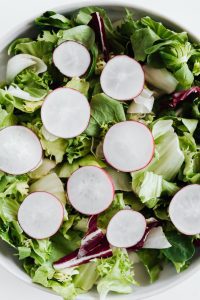
Escarole and Frisee

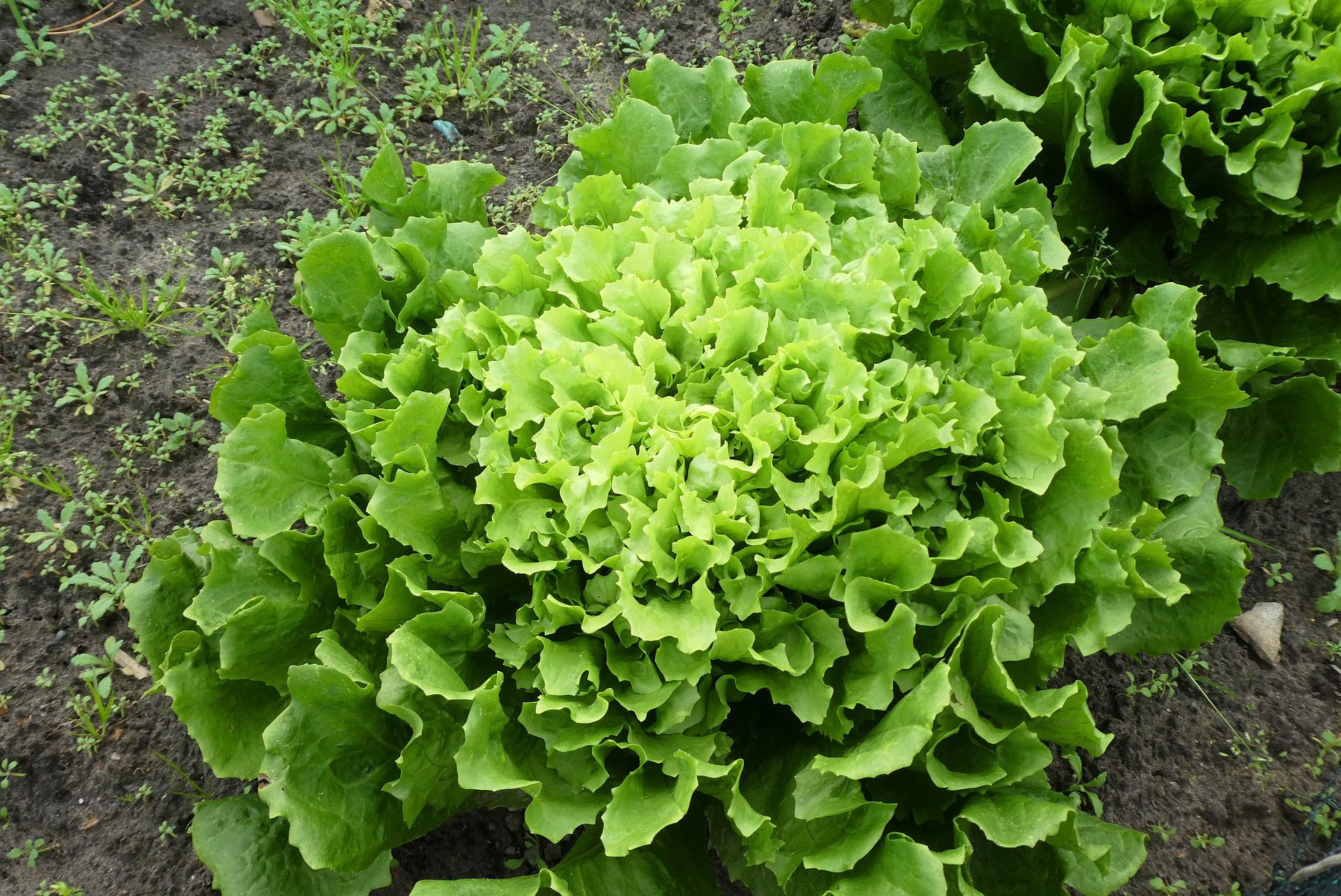
Frilly endive lettuce

Harvest Guide

Escarole and Frisee

Harvesting Escarole and Frisee

When It’s Ready
  • The harvest process for escarole and frisee is similar to head lettuce
  • Pick individual leaves from mature plants as desired, or wait until a full head develops for a single harvest
  • Late May – mid-June
When It’s Too Late
  • Unharvested plants will eventually bolt and go to seed
How To
  • Snap off or cut individual leaves
  • Harvest the entire plant by cutting at the base of the rosette near the soil level
Frilly endive lettuce

Growing Escarole and Frisee

Escarole and frisee are leafy green vegetables that has a slightly bitter flavor and a crunchy texture. They can be eaten raw in salads or sautéed and served as a side dish. When cooked, the bitterness mellows out slightly.

Storing Escarole and Frisee

Fresh Storage: Refrigerate, tightly wrapped in a plastic bag, for up to five days.

Cooking With Escarole and Frisee

  1. Escarole and White Bean Soup – Sauté garlic and onions, add broth, escarole, and white beans. Simmer until tender.
  2. Frisée Salad with Bacon and Poached Egg – Toss frisée with warm bacon vinaigrette, crispy bacon, and a poached egg.
  3. Escarole and Sausage Pasta – Cook sausage with garlic and red pepper, add escarole, and toss with pasta and Parmesan.
  4. Frisée and Apple Salad – Mix frisée with apple slices, walnuts, blue cheese, and cider vinaigrette.
  5. Escarole and Lemon Risotto – Stir chopped escarole and lemon zest into risotto, finish with Parmesan.
  6. Frisée and Roasted Beet Salad – Combine roasted beets, frisée, goat cheese, and candied pecans with balsamic vinaigrette.
  7. Escarole and Chickpea Stew – Sauté onions, tomatoes, add escarole, chickpeas, and seasonings. Simmer until tender.
  8. Warm Frisée and Mushroom Salad – Sauté mushrooms with garlic and thyme, toss with frisée and mustard vinaigrette.
  9. Escarole and Bean Crostini – Top toasted baguette slices with sautéed escarole, cannellini beans, and Parmesan.
  10. Frisée and Citrus Salad – Toss frisée with segmented citrus, pomegranate seeds, and almonds, dress with citrus vinaigrette.

Recipes

Want To Learn More?

At Backyard Eats, we’re passionate about helping our clients discover and share the magic of homegrown good. Our Harvest Guides will teach you everything you need to know to harvest, store, and cook with fresh produce right from your own backyard! Our Harvest Toolkit Directory includes a list of all our step-by-step guides. Click below to give them a try!

Bush Beans

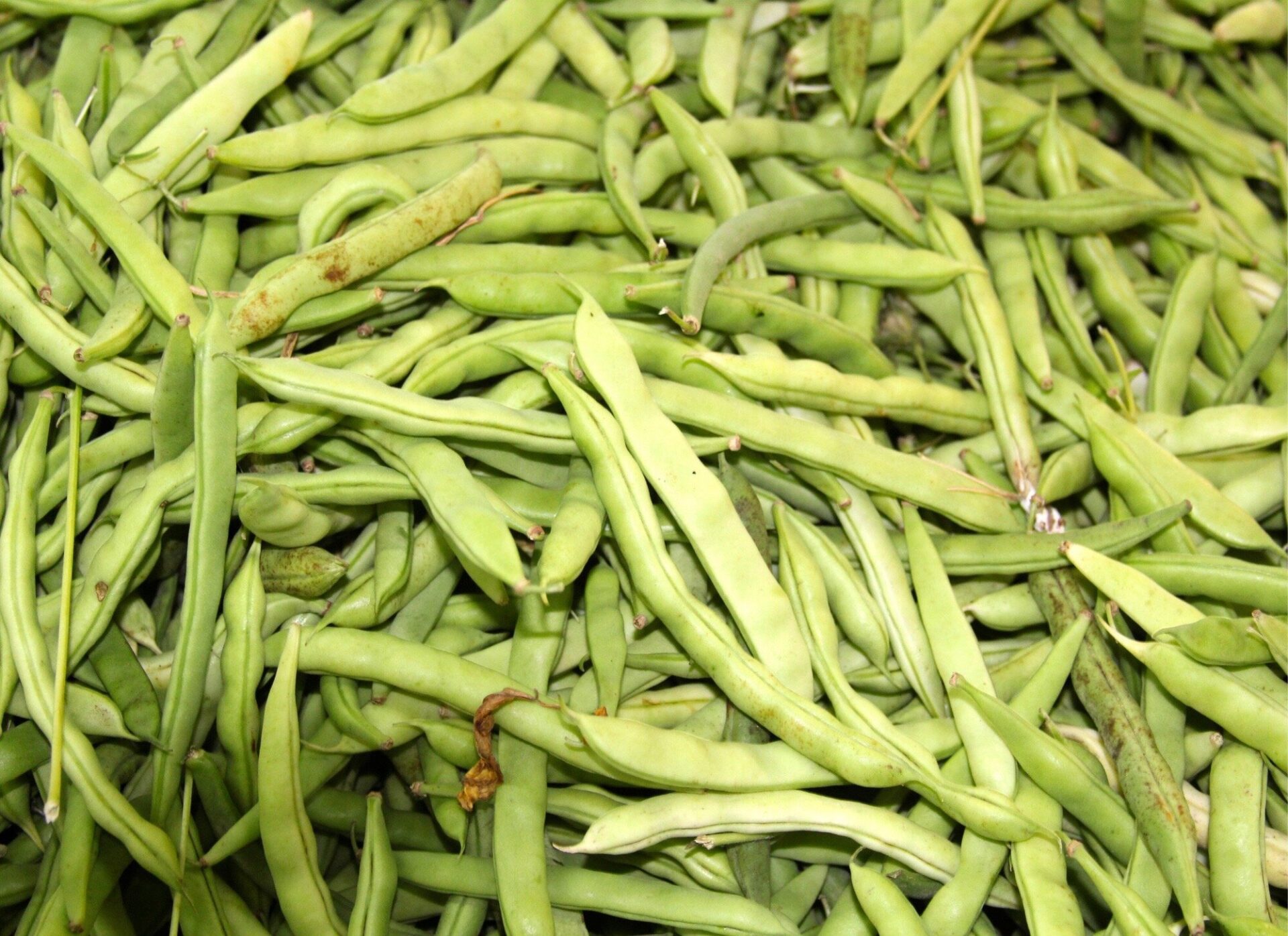
Harvested green beans

Harvest Guide

Bush Beans

Harvesting Bush Beans

When It’s Ready
  • Pick bush beans when they are pencil size and tender
  • Pick bush beans before the seeds inside form bumps on the pod
  • Harvest regularly to encourage production
When It’s Too Late
  • When the pod begins to bulge with seeds
  • When the pod appears to be drying or losing moisture
  • If you allow pods to ripen fully, the plants will stop producing and die
How To
  • Pinch off bush beans using your thumbnail and fingers
  • Pulling directly on the pods may uproot the plants
  • Cut off and discard any overly mature beans you missed in previous harvests
  • Weekly harvests will be bountiful once the plant matures, then lessen as the weather grows colder
Harvested green beans

Growing Bush Beans

Bush beans – a type of green beans – have a mild, slightly sweet flavor and a crisp texture. They are a versatile vegetable that can be cooked in a variety of ways, including steaming, boiling, sautéing, roasting, and stir-frying. They make a great addition to many meals.

Storing Bush Beans

Fresh Storage:

Wash and store in the refrigerator for up to 4 weeks.

Long-Term Storage:

Serve, freeze, can, or pickle the beans the day you harvest them to preserve their fresh, homegrown flavor.

Cooking With Bush Beans

  1. Sautéed Bush Beans: Heat olive oil or butter in a skillet, add trimmed and halved bush beans, and sauté until they are crisp-tender. Season with salt, pepper, and herbs like thyme or rosemary for a simple and delicious side dish.
  2. Green Bean Salad: Blanch or steam trimmed bush beans until they are bright green and crisp. Toss them with cherry tomatoes, red onion, and a tangy vinaigrette. Add some feta cheese or toasted almonds for extra flavor and texture.
  3. Roasted Bush Beans: Spread trimmed bush beans on a baking sheet, drizzle with olive oil, sprinkle with salt, pepper, and your choice of seasonings (such as garlic powder or smoked paprika). Roast in the oven until they become slightly caramelized and tender.
  4. Green Bean Stir-Fry: Heat a wok or large skillet, add trimmed bush beans, and stir-fry them with other colorful vegetables like bell peppers, carrots, and snow peas. Season with soy sauce or a stir-fry sauce of your choice for a quick and nutritious stir-fry.
  5. Green Bean Casserole: Combine blanched or steamed bush beans with creamy mushroom sauce and top with crispy fried onions. Bake until the casserole is bubbly and the onions are golden brown. This classic dish is perfect for potlucks and holiday gatherings.

Recipes

Want To Learn More?

At Backyard Eats, we’re passionate about helping our clients discover and share the magic of homegrown good. Our Harvest Guides will teach you everything you need to know to harvest, store, and cook with fresh produce right from your own backyard! Our Harvest Toolkit Directory includes a list of all our step-by-step guides. Click below to give them a try!

Mint

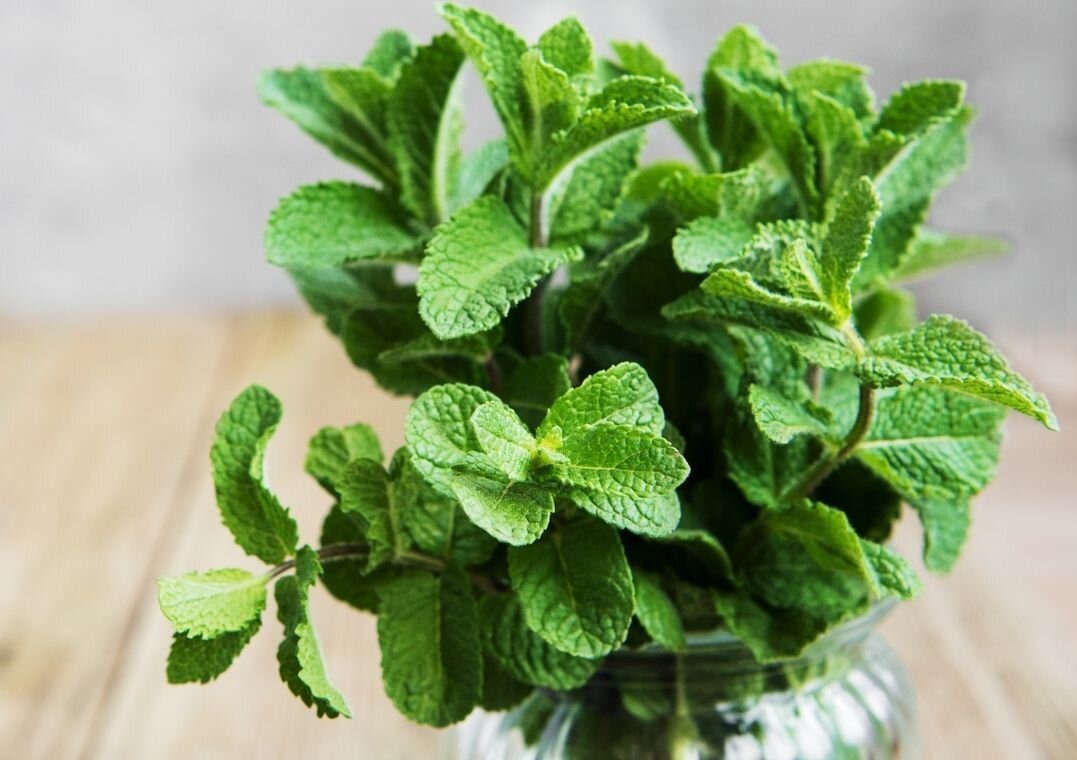
Photo of a bundle of mint leaves with a glass jar

Harvest Guide

Mint

Harvesting Mint

When It’s Ready
  • Pick individual leaves when the plant reaches at least 4″ height
  • Pick handfuls of mint leaves regularly to continuously stimulate growth of the plant
  • If harvesting a large amount, cut at the the plant at the base of the stem before it begins to flower
  • May – late November
How To
  • Use a sharp knife or shears to clip stems and/or leaves away from the bush
Photo of a bundle of mint leaves with a glass jar

About Mediterranean Herbs

Mediterranean herbs are plants that grow 0.5-3 ft tall. They require partial to full sun to thrive, but not trellising or pruning.

Flowering/Fruiting Tendencies

Mediterranean herbs are easy, multi-harvest plants for fresh use, drying, teas, and medicines. Most are typically easy to establish and just need seasonal clean-ups.

Design Notes

Space herbs about 18″ apart. Most are Mediterranean herbs don’t do well in super cold or moist soil. Will overwinter better in warm conditions.

Care Notes

Kitchen herbs benefit from compost. Mulching can be kept to a minimum as many kitchen herbs won’t benefit from the extra moisture retention. Kitchen herbs can typically be thinned/harvested in the summer and fall to keep them from growing wild. Many will get unwieldy and less productive after a few years and may need to be replaced.

Newly planted perennials require some additional care to help establish and support the plants as they grow. Water newly planted perennials deeply at the root 2-3 times a week during the first growing season. Apply compost and wood chip mulch in the late winter/early spring.

Storing Mint

Fresh Storage: Keep in a dark, cool, and dry place for continual use after harvesting.

Long-Term Storage: “Woody” perennial herbs like mint can be dried at home to enjoy all year long! First, trim stems from the main plant. Tie 3-5 stems together into a bundle, then hang them to dry in a cool, dark, and well-ventilated place for 2-3 weeks. 

Once the herbs are dry and brittle, you can store and enjoy them long-term.

Cooking With Mint

  1. Mint Tea: Steep fresh mint leaves in hot water for a soothing and refreshing herbal tea. Add a touch of honey or lemon for extra flavor if desired.
  2. Mint Mojito: Muddle fresh mint leaves with lime wedges and sugar in a glass. Add rum, ice, and soda water for a classic and refreshing cocktail. Garnish with mint sprigs for an extra touch.
  3. Mint Yogurt Sauce: Blend fresh mint leaves with plain yogurt, garlic, lemon juice, salt, and pepper. This tangy and herbaceous sauce pairs well with grilled meats, roasted vegetables, or as a dip for pita bread.
  4. Mint Pesto: Blend fresh mint leaves, pine nuts, Parmesan cheese, garlic, olive oil, and a squeeze of lemon juice to create a unique and vibrant mint pesto. Use it as a sauce for pasta, spread it on sandwiches, or as a flavorful marinade for grilled meats.
  5. Mint Salad Dressing: Blend fresh mint leaves with olive oil, vinegar (such as apple cider or white wine vinegar), honey, Dijon mustard, salt, and pepper. Drizzle this refreshing dressing over mixed greens or your favorite salad for a burst of minty flavor.

Recipes

Photo of soup from Megan Bucknall from Unsplash

Minty Pea Soup

Indulge in the refreshing flavors of our minty pea soup, a perfect blend of vibrant green peas and aromatic mint....

Read More
Photo of Greek salad from Lina Luoto from Pexels

Greek Salad

Greek salad is a refreshing and flavorful dish that combines the vibrant flavors of fresh vegetables with the tanginess of...

Read More

Want To Learn More?

At Backyard Eats, we’re passionate about helping our clients discover and share the magic of homegrown good. Our Harvest Guides will teach you everything you need to know to harvest, store, and cook with fresh produce right from your own backyard! Our Harvest Toolkit Directory includes a list of all our step-by-step guides. Click below to give them a try!

Winter Squash

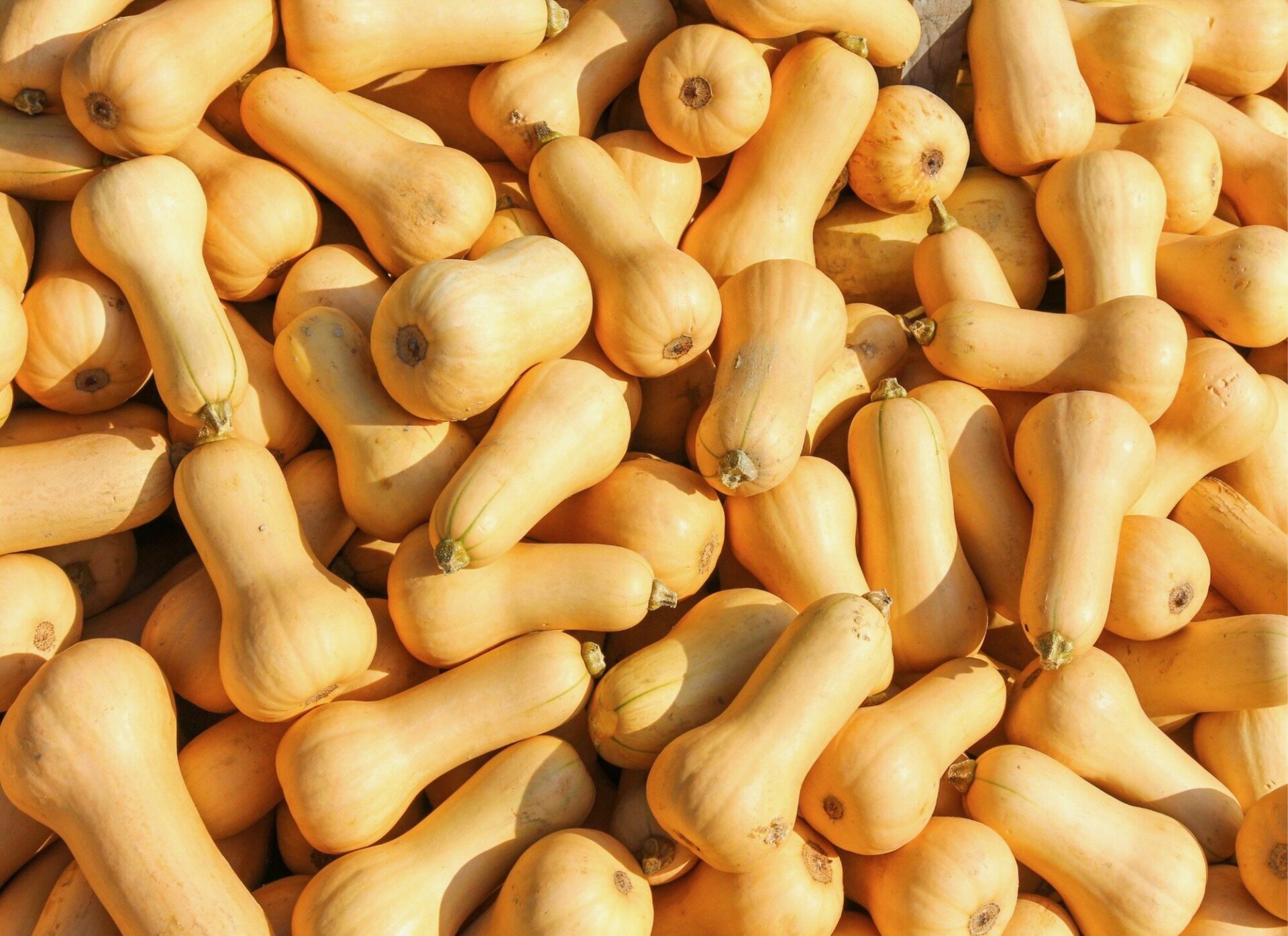
Collection of harvested butternut squash

Harvest Guide

Winter Squash

Harvesting Winter Squash

When It’s Ready
  • Winter Squash is ready to harvest in the early fall, before a frost
  • Once the squash has reached your desired size
  • When the stem of the plant becomes more brown/woody and begins to crack, this is an indicator that the squash is ready to pick
  • Mid-late September – first frost
When It’s Too Late
  • If any signs of frost damage, pest damage, or rotting are present.
How To
  • Use a good pair of pruners or sharp knife to cut the fruit from the vine
  • Leave 2-3″ of stem on the fruit
Notes on Melons
  • Melons – such as cantaloupe and watermelon – exhibit many of the same signs as pumpkins when ready to harvest, but mature earlier in the summer
  • Typically, melons mature in the summer months 80-90 days after planting
  • Look for a sweet aroma, cracking near the stem, and the fruit slipping easily from the vine
  • Use a sharp knife or pruning shears to cut the melon from the vine, leaving a few inches of stem attached to the fruit
Collection of harvested butternut squash

Growing Winter Squash

Winter squash comes in many varieties. The flavor of winter squash is generally sweet and nutty, with a dense and creamy texture. One popular method is to roast it in the oven, either halved or cut into cubes, with a little bit of oil and seasoning. You can also steam, boil, or sauté winter squash, and it can be added to soups, stews, and curries.

Varieties of Winter Squash

Acorn Squash | Pie Pumpkin | Butternut Squash | Delicata Squash

Storing Winter Squash

“Never wash any winter squash that you intend to store. Dry all types in the sun until the stems shrivel and turn gray; the exception is acorn squash, which doesn’t need curing. If placed in a cool, dry area with temperatures of 45° to 50°F and with 65 to 70 percent humidity, winter squash will keep for up to 5 months. Acorn squash needs a slightly cooler and moister storage area.” [RUEOG]

NOTES ON MELONS

After harvesting, handle the melons gently to prevent bruising and damage to the skin. Avoid dropping or tossing them into containers.

If you’re not consuming the melons immediately, store them at room temperature for a few days to allow them to ripen further, especially if they were harvested slightly underripe. Once fully ripe, store them in the refrigerator to prolong their shelf life and maintain their quality.

Cooking With Winter Squash

  1. Roasted Winter Squash: Cut winter squash, such as butternut or acorn squash, into cubes or wedges. Toss them with olive oil, salt, pepper, and your choice of herbs or spices. Roast in the oven until the squash is tender and caramelized.
  2. Winter Squash Soup: Cook peeled and diced winter squash with onions, garlic, vegetable or chicken broth, and warming spices like cinnamon and nutmeg. Blend the mixture until smooth for a comforting and velvety winter squash soup.
  3. Stuffed Winter Squash: Cut winter squash in half lengthwise, scoop out the seeds, and fill the cavities with a mixture of cooked grains, sautéed vegetables, cheese, and herbs. Bake until the squash is tender and the filling is heated through.
  4. Winter Squash Risotto: Incorporate cooked and mashed winter squash into a creamy risotto. Sauté onions and garlic, add Arborio rice, and gradually stir in vegetable broth and white wine. Finish with grated Parmesan cheese for a rich and satisfying dish.
  5. Winter Squash Curry: Cube winter squash and simmer it in a flavorful curry sauce made with coconut milk, curry paste or powder, ginger, garlic, and other spices. Serve the curry over rice for a warming and aromatic winter squash dish.

Recipes

Photo of baked apples filled with nuts and sugar from Liia from Unsplash

Apple Baked Squash

Savor the flavors of autumn with our apple baked squash. This delightful dish features tender squash filled with sweet and...

Read More

Want To Learn More?

At Backyard Eats, we’re passionate about helping our clients discover and share the magic of homegrown good. Our Harvest Guides will teach you everything you need to know to harvest, store, and cook with fresh produce right from your own backyard! Our Harvest Toolkit Directory includes a list of all our step-by-step guides. Click below to give them a try!

Turnips

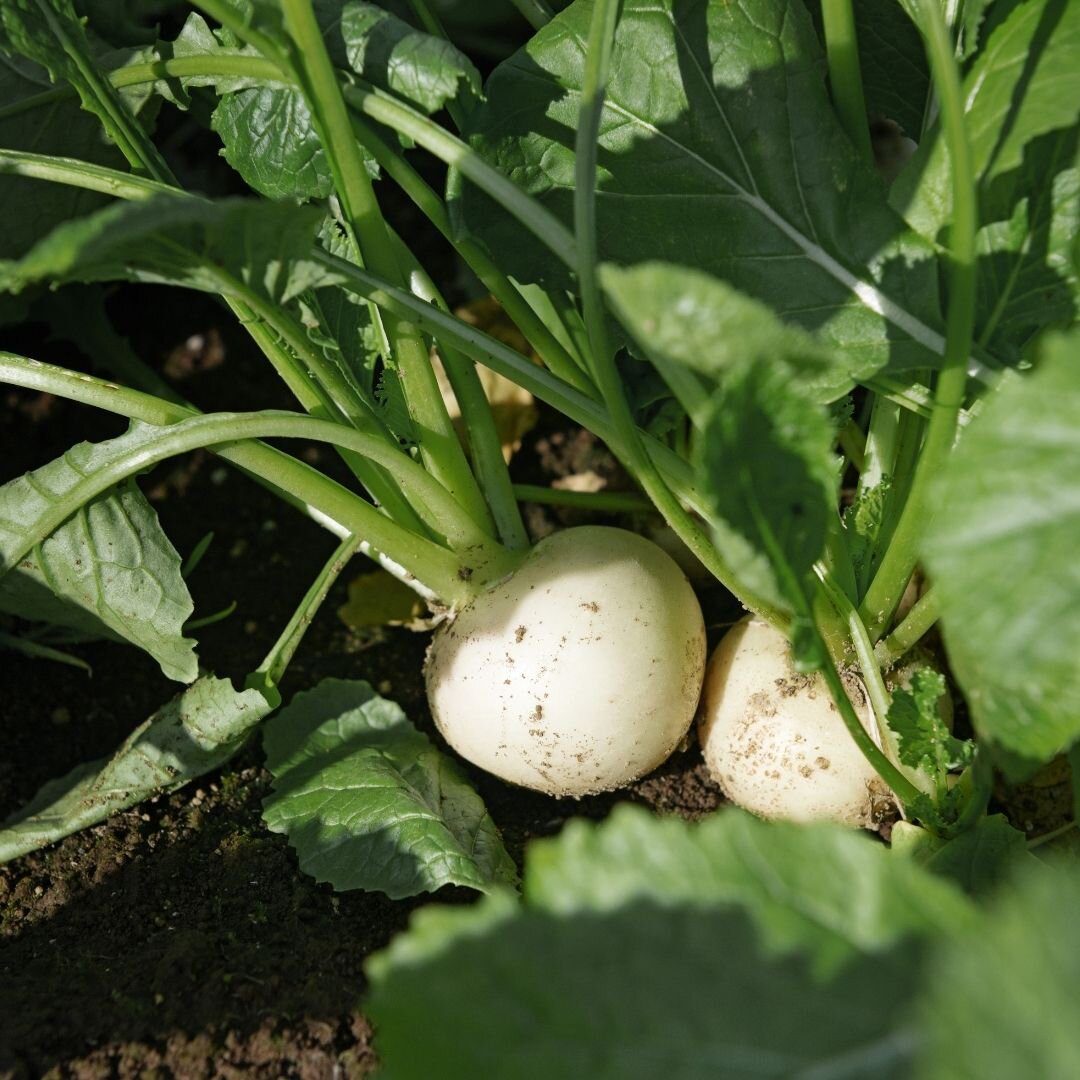
Photo of turnip bulbs in the garden

Harvest Guide

Turnips

Harvesting Turnips

When It’s Ready:

  • You can begin harvesting turnips when they’re about the size of a golf ball (~30 days)
  • Mature-sized turnips that are 1-3″ diameter are ready in 40-50 days
  • Bigger turnips will be spicier and not as tender
  • Mid-late June – early July

How To:

  • Pull the entire plant from the soil.
  • Cut off the greens and bottom taproot from the round turnip bulb

Pro Tip:

Don’t throw out your turnip greens! They make a sweet and slightly spicy addition to salads.

Photo of turnip bulbs

About Turnips

Turnips have a mildly sweet and slightly peppery flavor with a texture that is similar to potatoes, making them a versatile ingredient in cooking. They can be roasted to bring out their natural sweetness, boiled to minimize their bitterness, or mashed like potatoes as an easy side dish.

Varieties of Turnips

Hakurei Turnips

Storing Turnips

This vegetable is best when used fresh, but here are a few tips for preserving and storage.

Fresh Storage: Keep in an airtight bag in the fridge for 1-2 months.

Long-Term: Turnips can be stored in the freezer, blanched, pickled or canned for long-term storage.

Cooking With Turnips

Turnips are underrated yet delicious vegetables that can be prepared in several ways to complement different meals. Here are some of our favorite methods:

  1. Roasted Turnips: Enjoy the delightful combination of crispy edges and tender centers as the turnips are roasted to perfection, bringing out their natural sweetness and a hint of caramelization.
  2. Mashed Turnips: Experience pure comfort in each spoonful of creamy, velvety mashed turnips, seasoned with herbs and butter, creating a satisfying side dish that pairs well with any meal.
  3. Turnip Fries: Indulge in a healthier alternative to traditional fries with these crisp and golden turnip fries. Sprinkled with your favorite seasonings, they offer a satisfying crunch with a subtle earthy flavor.
  4. Glazed Turnips: Delight your taste buds with tender turnips coated in a luscious glaze, such as maple or honey. The glaze adds a touch of sweetness that perfectly complements the natural flavors of the turnips.
  5. Turnip Gratin: Dive into a gratifying dish of thinly sliced turnips layered with a creamy sauce and a sprinkling of cheese. Baked to a golden brown, this gratin showcases the turnips’ rich flavor and comforting texture.

Recipes

Want To Learn More?

At Backyard Eats, we’re passionate about helping our clients discover and share the magic of homegrown good. Our Harvest Guides will teach you everything you need to know to harvest, store, and cook with fresh produce right from your own backyard! Our Harvest Toolkit Directory includes a list of all our step-by-step guides. Click below to give them a try!

Thyme

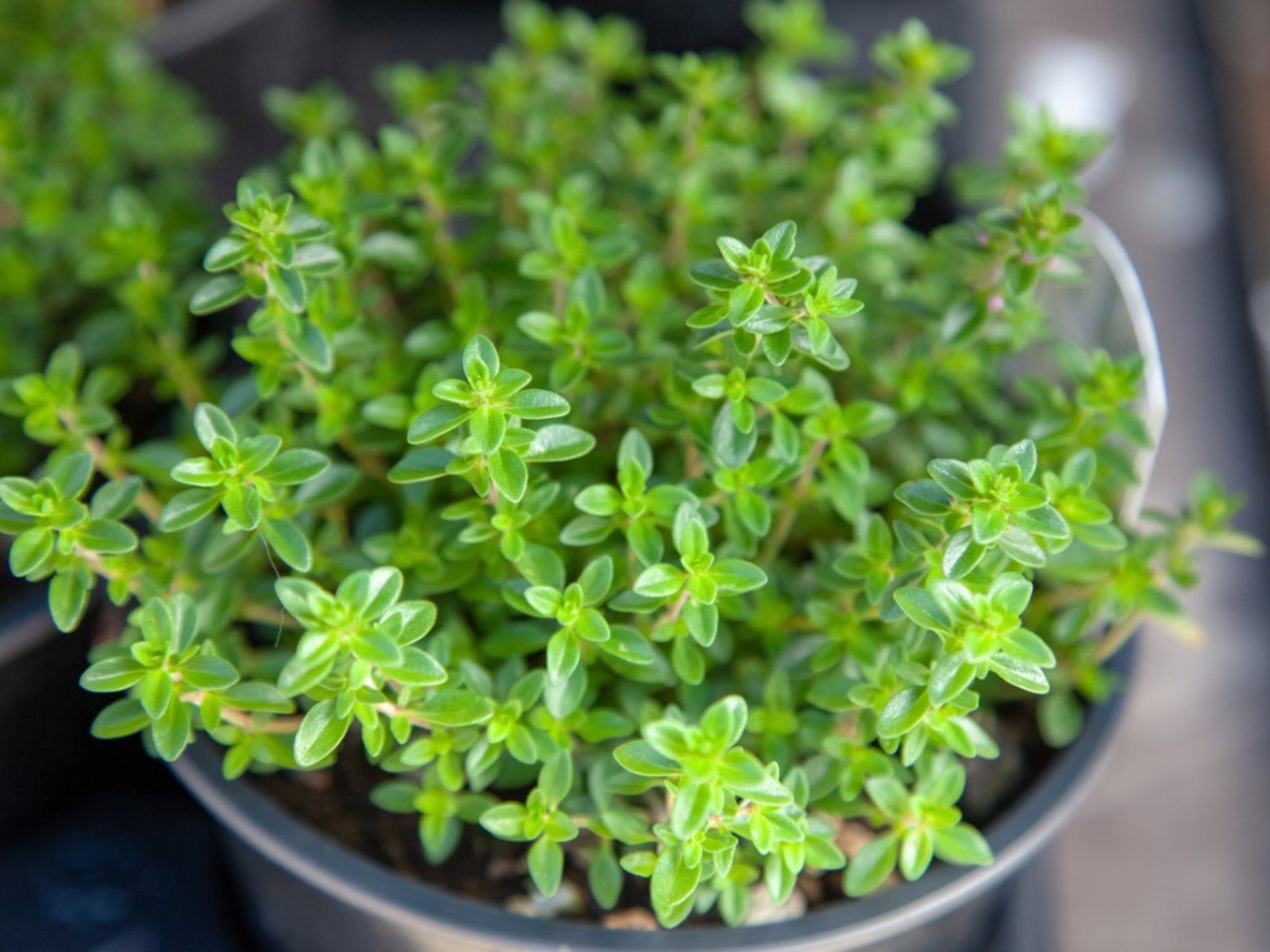
Photo of a potted thyme plant

Harvest Guide

Thyme

Harvesting Thyme

When It’s Ready
  • You may harvest pieces from thyme plants throughout the summer and fall, but don’t cut them back severely in fall.
  • For fresh use, harvest midmorning, after the dew has dried. Do not wash.
How To
  • Cut with scissors or pruners as needed, or cut back to 2” above ground level.
  • Cut no more than one-third of a plant at a time to allow continued regrowth.
  • Clipping a main stem will induce branching at that point, resulting in a bushier plant.
  • Removing an entire branch will reduce bushiness and encourage more upright growth.
Photo of a potted thyme plant

About Mediterranean Herbs

Mediterranean herbs are plants that grow 0.5-3 ft tall. They require partial to full sun to thrive, but not trellising or pruning.

Flowering/Fruiting Tendencies

Mediterranean herbs are easy, multi-harvest plants for fresh use, drying, teas, and medicines. Most are typically easy to establish and just need seasonal clean-ups.

Design Notes

Space herbs about 18″ apart. Most are Mediterranean herbs don’t do well in super cold or moist soil. Will overwinter better in warm conditions.

Care Notes

Kitchen herbs benefit from compost. Mulching can be kept to a minimum as many kitchen herbs won’t benefit from the extra moisture retention. Kitchen herbs can typically be thinned/harvested in the summer and fall to keep them from growing wild. Many will get unwieldy and less productive after a few years and may need to be replaced.

Newly planted perennials require some additional care to help establish and support the plants as they grow. Water newly planted perennials deeply at the root 2-3 times a week during the first growing season. Apply compost and wood chip mulch in the late winter/early spring.

Storing Thyme

Fresh Storage: Wrap in damp paper towel and place in a plastic bag in the crisper drawer of the refrigerator for storage up to three weeks.

Long-Term Storage: “Woody” perennial herbs like thyme can be dried at home to enjoy all year long! First, trim stems from the main plant. Tie 3-5 stems together into a bundle, then hang them to dry in a cool, dark, and well-ventilated place for 2-3 weeks. 

Once the herbs are dry and brittle, you can store and enjoy them long-term.

Cooking With Thyme

  1. Thyme Roasted Vegetables: Toss chopped vegetables such as potatoes, carrots, and zucchini with olive oil, minced garlic, salt, pepper, and fresh thyme leaves. Roast in the oven until the vegetables are tender and infused with the aromatic flavors of thyme.
  2. Lemon Thyme Chicken: Rub chicken pieces with a mixture of minced thyme leaves, lemon zest, garlic, olive oil, salt, and pepper. Roast or grill the chicken until it’s cooked through and enjoy the vibrant and citrusy flavors of thyme.
  3. Thyme Butter: Mix softened butter with minced thyme leaves, salt, and pepper. This herb-infused butter can be used to add a burst of flavor to grilled steaks, roasted vegetables, or spread on warm bread.
  4. Thyme Infused Oil: Place fresh thyme sprigs in a bottle of olive oil and let it infuse for a few days. The resulting thyme-infused oil can be drizzled over salads, grilled vegetables, or used as a marinade for meats.
  5. Herbed Quinoa with Thyme: Cook quinoa according to package instructions and stir in freshly chopped thyme leaves, lemon juice, diced tomatoes, and a sprinkle of salt and pepper. This light and flavorful quinoa dish is a perfect side or light meal.

Recipes

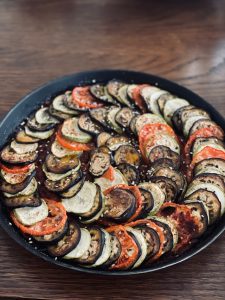
Photo of ratatouille from Marjan Sadeghi from Unsplash

Ratatouille Slab Pie

Discover the rustic charm of our ratatouille slab pie, a flavorful twist on a classic dish. Layers of vibrant vegetables,...

Read More
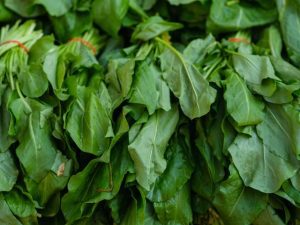
Photo of harvested spinach greens from Engin Akyurt from Unsplash

Creamed Spinach

Indulge in the velvety goodness of our creamed spinach, a classic side dish that never fails to delight. Fresh spinach...

Read More

Want To Learn More?

At Backyard Eats, we’re passionate about helping our clients discover and share the magic of homegrown good. Our Harvest Guides will teach you everything you need to know to harvest, store, and cook with fresh produce right from your own backyard! Our Harvest Toolkit Directory includes a list of all our step-by-step guides. Click below to give them a try!

Tarragon

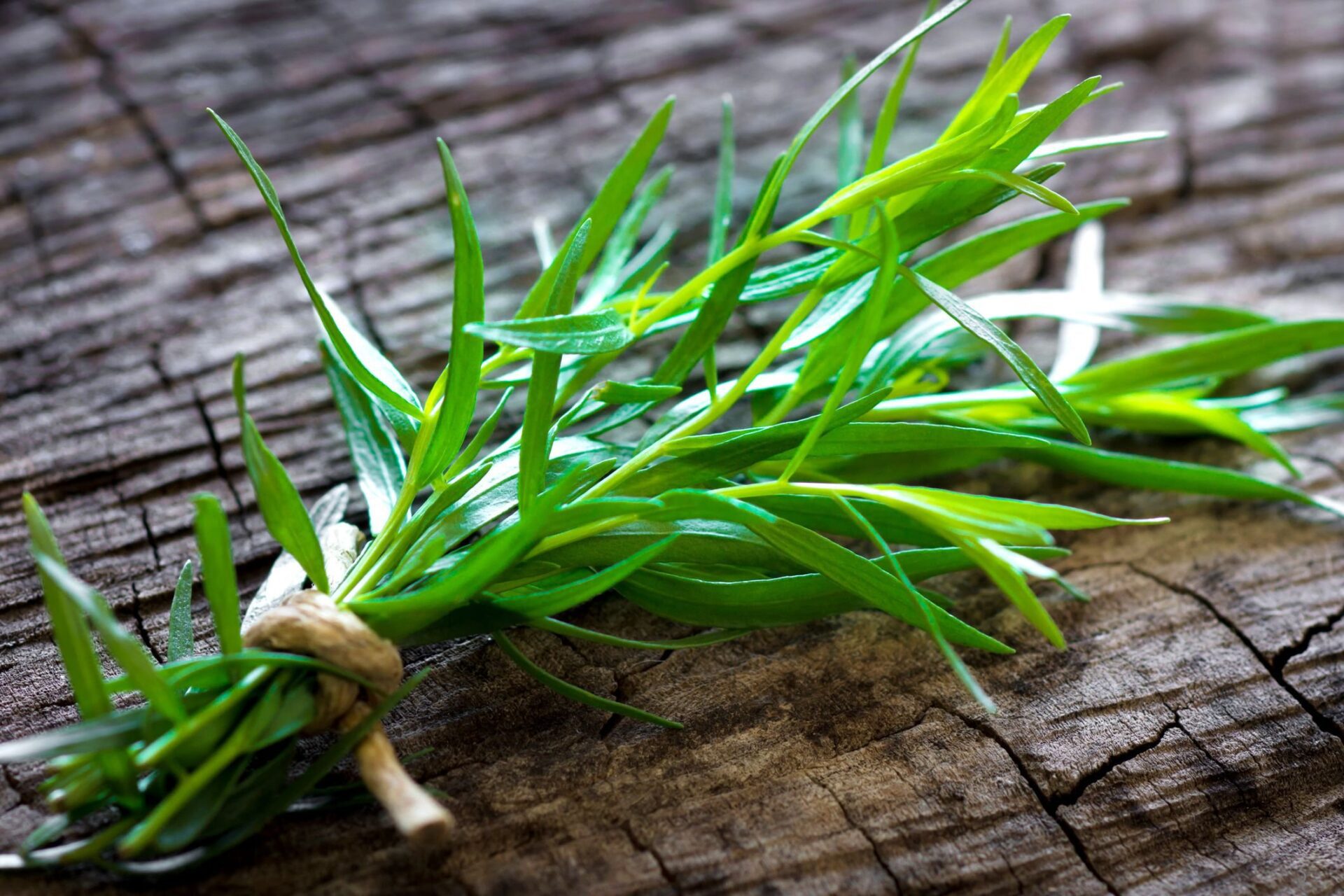
Bundle of tarragon leaves on wooden background

Harvest Guide

Tarragon

Harvesting Tarragon

When It’s Ready
  • Tarragon is ready when the plant is at least 4″ tall.
  • Harvest no more than one-third of a plant at a time to allow continued regrowth.
  • Harvest midmorning, after the sun has dried the leaves but before it gets too hot.
  • April – November
How To
  • Cut with scissors or pruners about one-third down the length of a main stem
  • Or clip off an entire branch.
  • Clipping a main stem will induce branching at that point, resulting in a bushier plant.
  • Removing an entire branch will reduce bushiness and encourage more upright growth.
Bundle of tarragon leaves on wooden background

About Mediterranean Herbs

Mediterranean herbs are plants that grow 0.5-3 ft tall. They require partial to full sun to thrive, but not trellising or pruning.


Flowering/Fruiting Tendencies

Mediterranean herbs are easy, multi-harvest plants for fresh use, drying, teas, and medicines. Most are typically easy to establish and just need seasonal clean-ups.

Design Notes

Space herbs about 18″ apart. Most are Mediterranean herbs don’t do well in super cold or moist soil. Will overwinter better in warm conditions.

Care Notes

Kitchen herbs benefit from compost. Mulching can be kept to a minimum as many kitchen herbs won’t benefit from the extra moisture retention. Kitchen herbs can typically be thinned/harvested in the summer and fall to keep them from growing wild. Many will get unwieldy and less productive after a few years and may need to be replaced.

Newly planted perennials require some additional care to help establish and support the plants as they grow. Water newly planted perennials deeply at the root 2-3 times a week during the first growing season. Apply compost and wood chip mulch in the late winter/early spring.

Storing Tarragon

Fresh Storage: Wrap in damp paper towel and place in a ziploc bag in the crisper drawer of the refrigerator for storage up to three weeks.

Long-Term Storage: “Woody” perennial herbs like tarragon can be dried at home to enjoy all year long! First, trim stems from the main plant. Tie 3-5 stems together into a bundle, then hang them to dry in a cool, dark, and well-ventilated place for 2-3 weeks. 

Once the herbs are dry and brittle, you can store and enjoy them long-term.

Cooking With Tarragon

  1. Tarragon Chicken Salad: Mix cooked and shredded chicken with mayonnaise, chopped tarragon leaves, diced celery, and a squeeze of lemon juice. Serve the flavorful chicken salad on sandwiches, wraps, or atop a bed of greens.
  2. Tarragon Butter: Blend softened butter with minced tarragon leaves, lemon zest, salt, and pepper. Use the tarragon butter to melt over grilled meats, roasted vegetables, or spread it on warm bread for a burst of herby goodness.
  3. Tarragon Vinaigrette: Whisk together minced tarragon, Dijon mustard, white wine vinegar, olive oil, salt, and pepper to create a tangy and aromatic tarragon vinaigrette. Drizzle it over salads, roasted vegetables, or use it as a marinade for grilled fish or poultry.
  4. Tarragon Roasted Potatoes: Toss halved baby potatoes with olive oil, minced tarragon leaves, garlic, salt, and pepper. Roast until the potatoes are crispy and golden, allowing the tarragon to impart a unique flavor to the dish.
  5. Tarragon Potato Salad: Toss cooked and diced potatoes with a mixture of mayonnaise, Greek yogurt, chopped tarragon, Dijon mustard, lemon juice, salt, and pepper. This creamy and herb-filled potato salad is a refreshing side dish for picnics or barbecues.

Recipes

Photo of asparagus risotto from Katrin Morenz from Wikimedia Commons

Asparagus Risotto

Asparagus risotto is a creamy and flavorful dish that showcases the vibrant taste of asparagus in a comforting way. With...

Read More

Want To Learn More?

At Backyard Eats, we’re passionate about helping our clients discover and share the magic of homegrown good. Our Harvest Guides will teach you everything you need to know to harvest, store, and cook with fresh produce right from your own backyard! Our Harvest Toolkit Directory includes a list of all our step-by-step guides. Click below to give them a try!

Swiss Chard

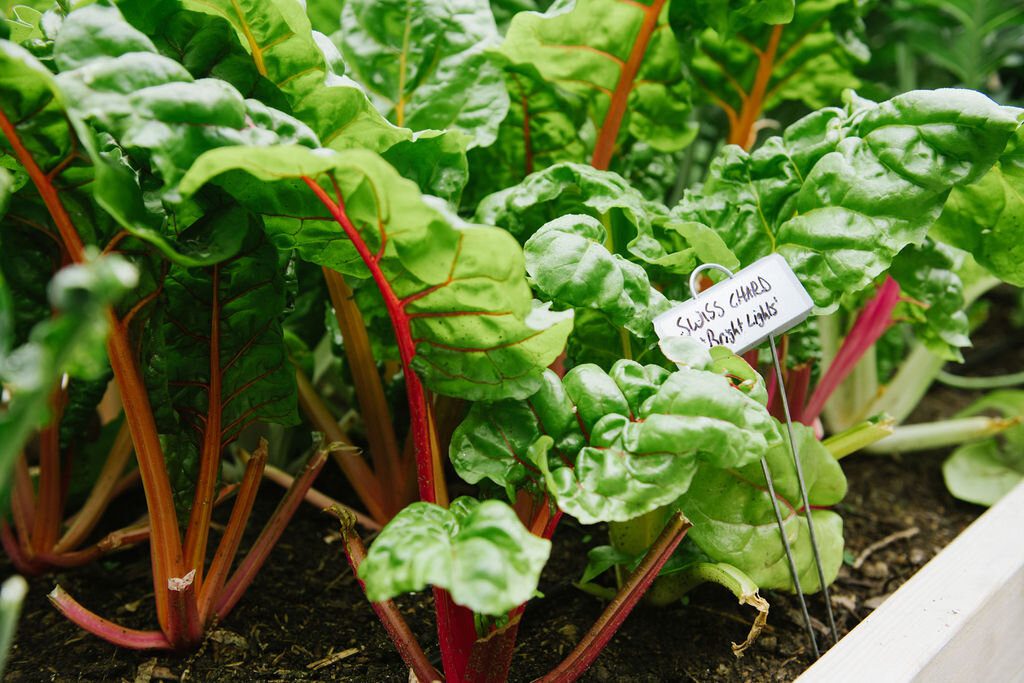
Photo of swiss chard plant with metal plant label

Harvest Guide

Swiss Chard

Harvesting Swiss Chard

When It’s Ready
  • Ready for harvest when plants are established (4-6 weeks after planting)
  • When the plants are about 9″ tall and the leaves are large enough to eat
How To
  • Snap or cut mature leaves at the base near its connection to the crown
  • Harvest the biggest couple of leaves from each plant
  • Leave smaller inner leaves to continue growing. New leaves will grow for harvest in 1-2 weeks
Photo of swiss chard plant with metal plant label

Growing Swiss Chard

Swiss chard is a leafy green vegetable that is similar to spinach and beet greens. It has a slightly bitter and earthy flavor, with a slightly sweet taste that becomes more pronounced when cooked. Swiss chard can be sautéed as a side dish, simmered in a soup, or added to a stir fry for a fresh flavor and bite.

Note on Row Cover

We cover beets, spinach, and swiss chard with a white row cover to prevent leaf miner bug damage. This is NOT a sun-protection or germination cover, and should be left on the plants for as long as possible throughout the season. We may remove the row cover around spring plants as necessary to interplant summer crops. If you see leaf miner scars on plants, they are still edible and can be picked around.

Storing Swiss Chard

Fresh is best for this vegetable, but here are some tips if you can’t cook the day of harvest.

Fresh Storage: Place in airtight bags or containers and refrigerate. Don’t crush leaves, but it’s ok to compress gently to save on bag space.

Long-Term Storage: Freeze whole leaves: Blanch in boiling water, dunk in ice bath to retain color, dry, and freeze in storage bag.

Cooking With Swiss Chard

Swiss chard is a fibrous green. This means it needs to be cooked with some water over a period of time before it’s palatable. In a sauté or soup recipe, add the fibrous stems 5 minutes before adding the tender leaves to ensure even cooking, or omit the stems. You can use Swiss chard in place of spinach in most recipes.

  1. Sautéed Swiss Chard: Remove the stems from Swiss chard leaves, then chop the leaves into strips. Sauté them in olive oil with garlic, onions, and a pinch of red pepper flakes until wilted and tender. Season with salt and pepper to taste.
  2. Swiss Chard Salad: Slice Swiss chard leaves into thin ribbons and toss them with a vinaigrette dressing, cherry tomatoes, cucumbers, and feta cheese. The hearty and slightly bitter leaves of Swiss chard make for a nutritious and flavorful salad.
  3. Swiss Chard Wraps: Use Swiss chard leaves as a substitute for tortillas or wraps. Fill them with your favorite ingredients, such as roasted vegetables, grains, beans, or grilled chicken, for a healthy and gluten-free alternative.
  4. Swiss Chard and White Bean Soup: Sauté chopped Swiss chard stems and leaves with onions, garlic, and carrots. Add vegetable or chicken broth, white beans, and herbs. Simmer until the flavors meld together, creating a comforting and nourishing soup.
  5. Swiss Chard Stir-Fry: Stir-fry Swiss chard leaves and stems with other vegetables like bell peppers, mushrooms, and tofu or meat. Add soy sauce, ginger, and garlic for a flavorful and nutritious stir-fry.

Recipes

Want To Learn More?

At Backyard Eats, we’re passionate about helping our clients discover and share the magic of homegrown good. Our Harvest Guides will teach you everything you need to know to harvest, store, and cook with fresh produce right from your own backyard! Our Harvest Toolkit Directory includes a list of all our step-by-step guides. Click below to give them a try!

Sweet Peppers

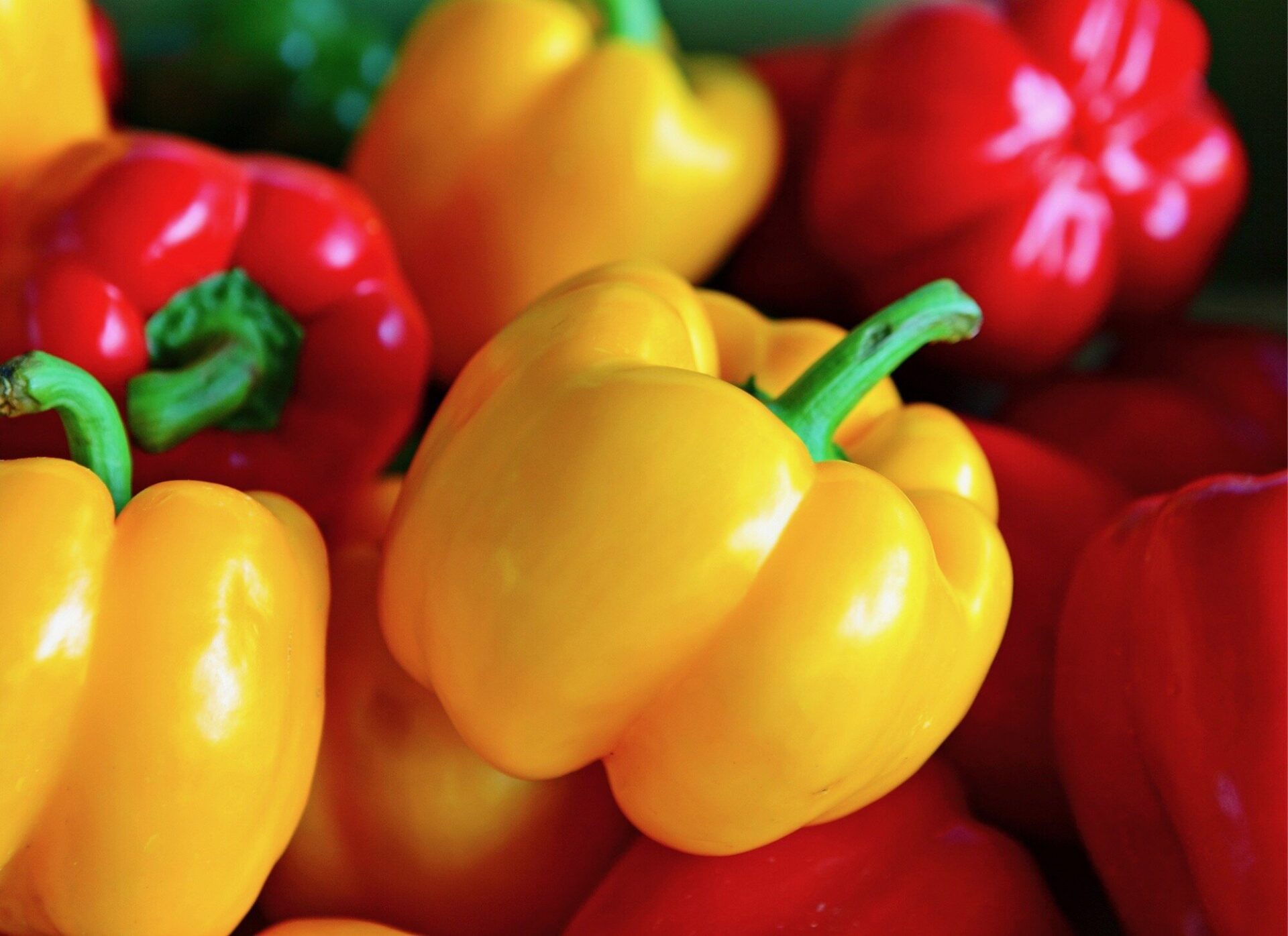
Photo of red and yellow bell peppers

Harvest Guide

Sweet Peppers

Harvesting Sweet Peppers

When It’s Ready

Most sweet peppers are ready to eat at various stages, but change color and turn sweeter as they mature. For example, banana peppers are ready for pickling when they are fully yellow, but will eventually turn orange and red and then are best eaten fresh.

  • Early in the season, it’s best to harvest peppers before they ripen to encourage the plant to continue production
  • As each pepper matures and changes colors, harvest can occur at any time. This final period can last up to three weeks.
  • Late July – first frost
When It’s Too Late
  •  If the pepper shows any signs of rot or pest damage, it is not longer desirable.
How To
  • Cut individual peppers free with a sharp knife or gardening scissors
  • Leave about 1 inch of the stem attached to the fruit for improved storage
  • Pick all the fruit when a frost is predicted, or pull plants up by the roots and hang them in a dry, cool place indoors for the fruit to ripen more fully.
Photo of red and yellow bell peppers

Growing Sweet Peppers

Sweet peppers, also known as bell peppers, come in a variety of colors and have a mild, sweet flavor. They are a versatile ingredient that can be used in a wide range of dishes. They can be enjoyed raw in salads and wraps or sautéed in stir fries. Roasting or grilling sweet peppers enhances their naturally sweet flavor and adds a smoky finish perfect for summer grilling.

Varieties of Sweet Peppers

Banana Peppers | Red Bell Pepper | Snack Pepper “Lunchbox Red” | Red Mini Snack Pepper

Storing Sweet Peppers

Fresh Storage: Ideal storage conditions are 45–65°F, at 90 -95% humidity.

Long-Term Storage: To preserve, freeze peppers without blanching.

Cooking With Sweet Peppers

  1. Stuffed Sweet Peppers: Cut off the tops of sweet peppers and remove the seeds. Fill them with a mixture of cooked rice or quinoa, seasoned ground meat or beans, vegetables, and cheese. Bake until the peppers are tender and the filling is heated through.
  2. Sweet Pepper Salsa: Dice sweet peppers and combine them with tomatoes, onions, cilantro, lime juice, and spices like cumin and chili powder. Serve the vibrant and flavorful salsa with tortilla chips or as a topping for tacos and grilled meats.
  3. Roasted Sweet Peppers: Roast sweet peppers in the oven until their skins blister and char. Remove the skin, then slice or chop the peppers and toss them with olive oil, garlic, and herbs. Enjoy the roasted sweet peppers as a side dish, in sandwiches, or added to pasta dishes.
  4. Sweet Pepper Stir-Fry: Slice sweet peppers into thin strips and stir-fry them with other vegetables like onions, carrots, and snap peas. Add your choice of protein and a stir-fry sauce for a colorful and nutritious meal.
  5. Sweet Pepper Bruschetta: Dice sweet peppers and mix them with minced garlic, basil, olive oil, and balsamic vinegar. Spoon the mixture onto toasted baguette slices for a delicious and vibrant bruschetta appetizer.

Recipes

Photo of cold noodle salad from Correen from Unsplash

Sweet Pepper Slaw

  Sweet pepper slaw is a crisp and colorful blend of shredded cabbage and sweet peppers, dressed in a tangy...

Read More

Want To Learn More?

At Backyard Eats, we’re passionate about helping our clients discover and share the magic of homegrown good. Our Harvest Guides will teach you everything you need to know to harvest, store, and cook with fresh produce right from your own backyard! Our Harvest Toolkit Directory includes a list of all our step-by-step guides. Click below to give them a try!