
Apples

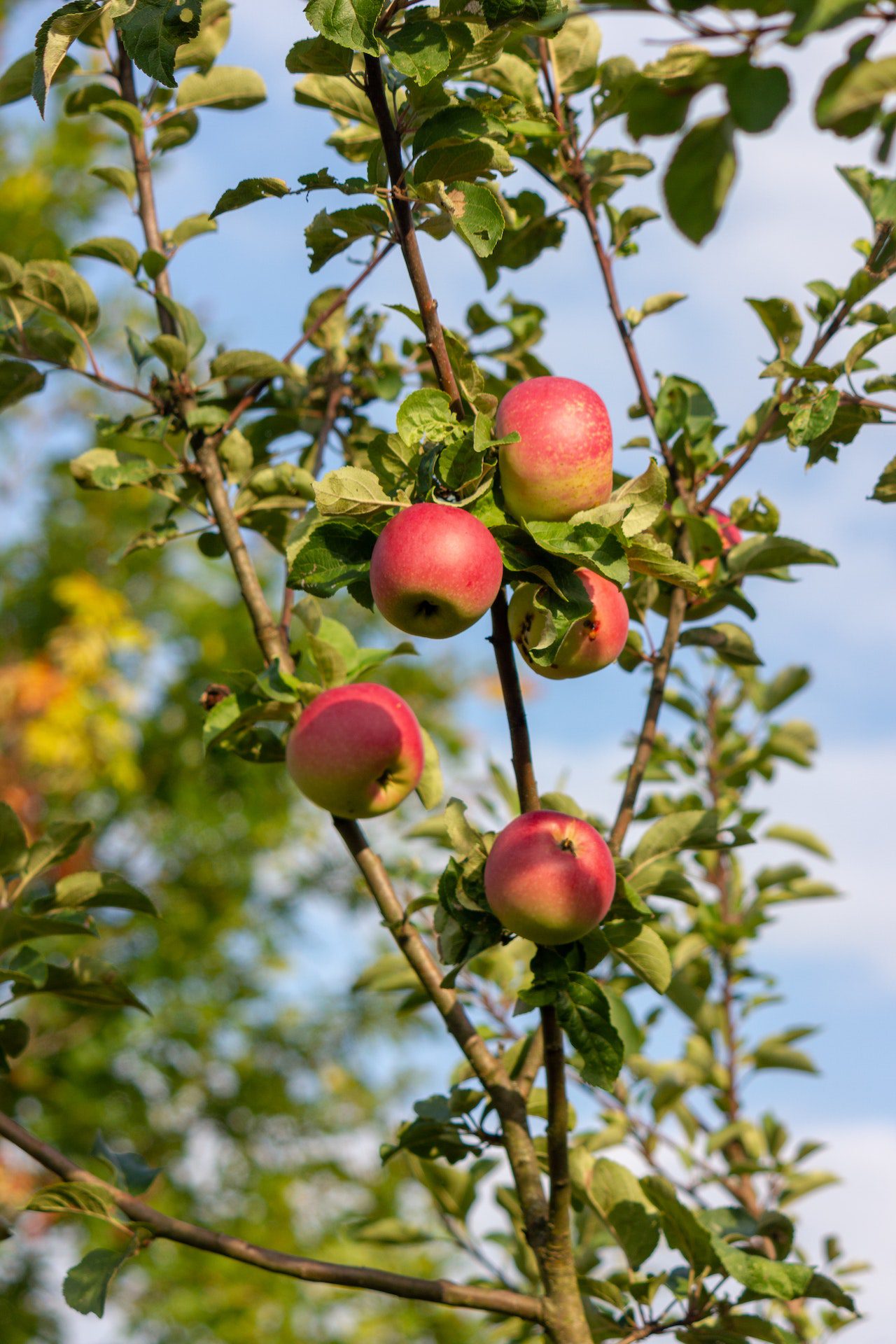
Photo of apples growing on a tree from Alexander Paramonov from Pexels

Harvest Guide

Apples

Harvesting Apples

When It’s Ready
  • Check for mature color: Fruit should have developed their characteristic color. For apples, this can vary based on the variety, but they should be firm and fully colored.
  • Look for ease of separation: Twist the fruit gently, and if it easily detaches from the branch, it is ready for harvest.
  • Harvest in the morning: Harvesting in cooler temperatures helps preserve the fruit’s quality.
  • Late summer to fall, depending on the variety (usually August – October)
When It’s Too Late
  • Overripe fruits become soft, mealy, and may start to decay.
  • Regularly check your trees to ensure you harvest the fruits at their peak ripeness.
How To
  • Hold the fruit firmly and twist it upwards or give it a gentle upward tug to detach it from the tree.
  • Place the harvested fruits carefully in a container or basket, being mindful not to bruise or drop them.
  • Handle the fruits with care to prevent any damage to the skin or flesh.
Photo of apples growing on a tree from Alexander Paramonov from Pexels

About Apples

Apples are trees that can grow 10-20 feet tall for semi-dwarf varieties. They require full sun and pruning to thrive, and a pollinating pair to reproduce.

Flowering/Fruiting Tendencies

Semi-dwarf apple trees, ideal for home gardeners, typically bloom profusely in spring, followed by a generous fruit set. Their manageable size makes them perfect for small gardens, ensuring ample harvests of crisp, flavorful apples without overwhelming space.

Design Notes

These trees are tailored for home landscapes, boasting a compact form that suits urban gardens or cozy backyard orchards. Their balanced canopy not only offers aesthetic appeal but also facilitates easy maintenance and harvesting, making them a delightful addition to any garden design.

Care Notes

For home gardeners, semi-dwarf apple trees require attention to pruning, ensuring an open canopy to maximize sunlight penetration and air circulation, which promotes healthy growth and reduces disease susceptibility. Regular watering, especially during dry spells, coupled with organic fertilizers tailored to fruiting trees, fosters robust development and a bounty of delicious apples. Additionally, integrated pest management practices, such as monitoring for common pests like aphids or codling moths, and timely intervention with organic remedies, ensure a thriving orchard with minimal ecological impact.

Newly planted perennials require some additional care to help establish and support the plants as they grow. Water newly planted perennials deeply at the root 2-3 times a week during the first growing season. Apply compost and wood chip mulch in the late winter/early spring.

Storing Apples

Fresh Storage: Keep fresh apples in a cool, dark place, such as a pantry or cellar, away from direct sunlight, for up to a month.

Long-Term Storage: Wrap each fruit individually in newspaper or place them in a ventilated container in a cool, humid environment, ideally around 32-40°F (0-4°C), such as a root cellar or refrigerator, for up to several months.

Cooking With Apples

  1. Apple Pie: Slice and cook apples with sugar, cinnamon, and a touch of lemon juice, then bake them in a pastry crust until golden and bubbly. Apple pie is a classic and comforting dessert enjoyed by many.
  2. Applesauce: Cook peeled and diced apples with sugar, cinnamon, and a bit of water until they soften and break down. The resulting applesauce can be enjoyed on its own, used as a topping for pancakes or oatmeal, or used as a filling for desserts.
  3. Apple Crisp: Combine sliced apples with sugar, cinnamon, and a squeeze of lemon juice, then top them with a crumbly mixture of oats, flour, butter, and brown sugar. Bake until the apples are tender and the topping is golden and crisp.
  4. Apple Muffins or Pancakes: Fold diced apples into muffin or pancake batter for a burst of sweetness and texture. Apples add moisture and flavor to these breakfast treats.
  5. Waldorf Salad: Combine diced apples with celery, walnuts, and raisins, then toss them with mayonnaise or a light dressing. This classic salad showcases the sweet and crunchy elements of apples.
  6. Apple Chutney: Cook diced apples with onions, vinegar, sugar, and spices like ginger, garlic, and chili flakes. The resulting chutney offers a sweet and tangy condiment that pairs well with cheeses, cold cuts, or curries.
  7. Baked Apples: Core whole apples and fill the cavity with a mixture of sugar, cinnamon, and butter. Bake until the apples are tender and caramelized. Serve them warm with a drizzle of caramel sauce or a scoop of vanilla ice cream.

Recipes

Photo of baked apples filled with nuts and sugar from Liia from Unsplash

Apple Baked Squash

Savor the flavors of autumn with our apple baked squash. This delightful dish features tender squash filled with sweet and...

Read More
Photo of apple pie from Viktoria Lunyakova from Pexels

Easy Apple Galette

Apple galette is a delicious and rustic dessert that highlights the natural sweetness of apples in a simple yet delightful...

Read More
Want To Learn More?

At Backyard Eats, we’re passionate about helping our clients discover and share the magic of homegrown good. Our Harvest Guides will teach you everything you need to know to harvest, store, and cook with fresh produce right from your own backyard! Our Harvest Toolkit Directory includes a list of all our step-by-step guides. Click below to give them a try!

Elderberries

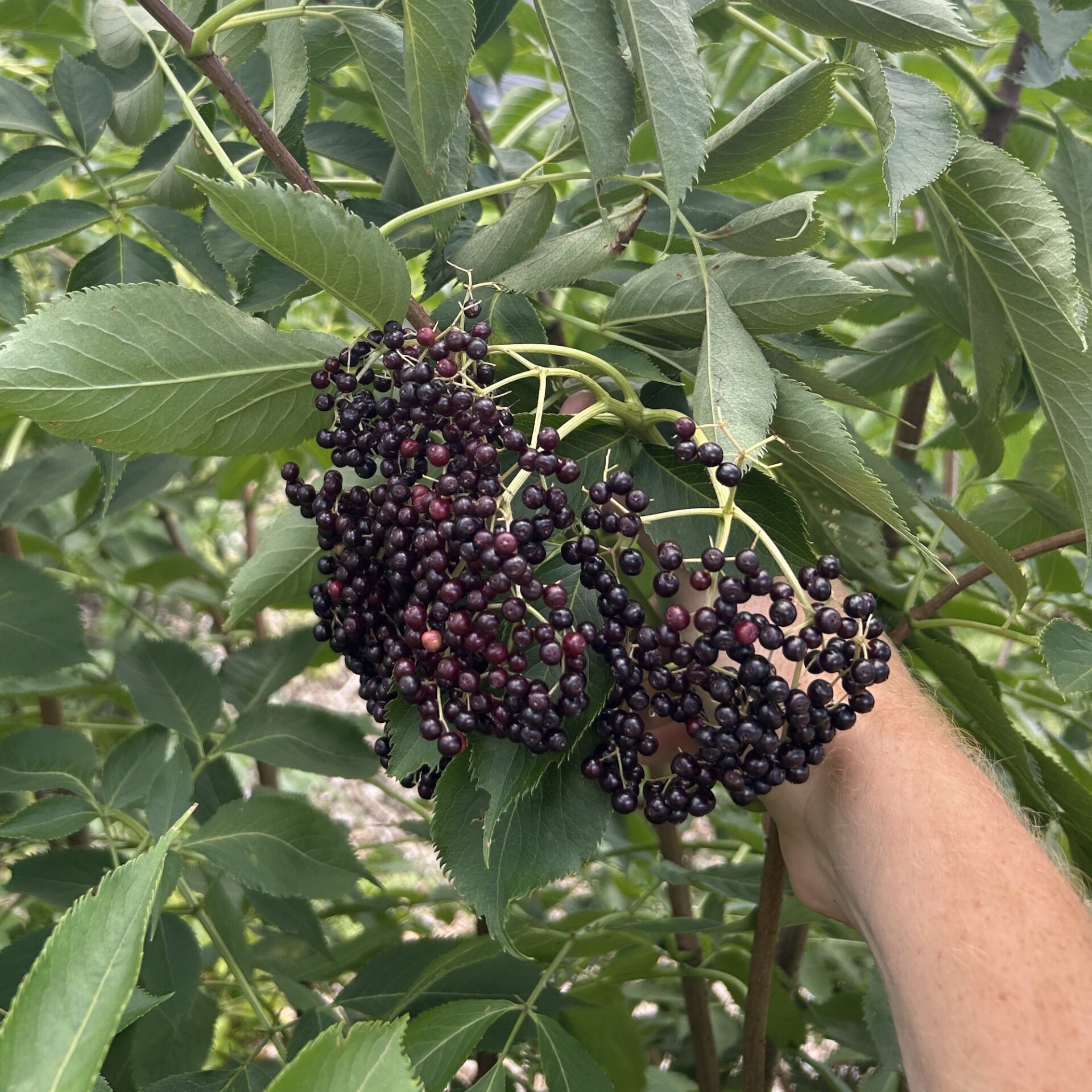
Photo of dark purple elderberry berries

Harvest Guide

Elderberries

Harvesting Elderberries

When It’s Ready
  • Observe the color and texture: Elderberries should be deep purple or black when fully ripe. They should have a plump and firm texture.
  • Check for clusters: Elderberries grow in clusters, and the majority of berries in the cluster should be ripe.
  • Taste test: Gently sample a few berries to ensure they are sweet and flavorful.
  • Late summer to early fall, typically from August to September
When It’s Too Late
  • Overripe elderberries may become mushy, discolored, or start to ferment.
  • Regularly inspect your elderberry bushes to ensure you don’t miss the optimal harvest time.
How To
  • Wear gloves and long sleeves: Elderberry stems contain small thorns.
  • Use a pair of scissors or pruning shears to cut the entire cluster of ripe elderberries.
  • Place the harvested clusters in a shallow container or basket, being careful not to crush them.
  • Remove any green, unripe, or damaged berries from the clusters.
Photo of dark purple elderberry berries

About Elderberries

Elderberries are tall shrubs that grow 6-12 ft tall. They require partial to full sun to thrive, but do not require a trellis or regular pruning. Elderberries do require a pollinating pair to reproduce.

Flowering/Fruiting Tendencies

Elderberries are native to America and Europe. They have little white flowers clusters in spring that turn into small, deep purple berries. Elderberry has medicinal properties and is better for jams, tinctures, etc than fresh eating. The berries are small, bitter, have a little seed and are potentially dangerous when consumed raw.

Design Notes

Elderberries are big, upright shrubs with white flowers in spring. They can be great as a seasonal hedgerow planted as close as 3 feet apart. Can handle some moist soil.

Care Notes

Elderberries benefit from compost and wood chip mulch in spring to promote growth. Typically, pruning involves just the removal of dead or dying canes. Sometime, canes will come up away from the crown of the plant and can be thinned to contain the spread of the plant. In cases where elderberry is being used as a hedge, it can be pruned for shape and topped to promote bushiness and thickness. 

Newly planted perennials require some additional care to help establish and support the plants as they grow. Water newly planted perennials deeply at the root 2-3 times a week during the first growing season. Apply compost and wood chip mulch in the late winter/early spring.

Storing Elderberries

Fresh Storage: Remove any stems or leaves, them place berries in a breathable container in the refrigerator for up to five days.

Long-Term Storage: Remove the berries from the stems, spread them in a single layer on a baking sheet and freeze until solid. Transfer frozen berries to a freezer-safe container for up to a year.

Cooking With Elderberries

  1. Elderberry Jam or Jelly: Cook elderberries with sugar, lemon juice, and a touch of water until they break down and form a thick jam or jelly. Spread it on toast, biscuits, or use it as a filling for pastries.
  2. Elderberry Syrup: Simmer elderberries with water, sugar, and optional spices like cinnamon or ginger to create a flavorful syrup. The syrup can be drizzled over pancakes, waffles, or used as a natural sweetener in beverages.
  3. Elderberry Smoothie: Blend elderberries with other fruits, such as bananas, berries, or yogurt, along with a liquid of your choice. Elderberries add a rich, sweet-tart flavor to smoothies while providing potential immune-boosting benefits.
  4. Elderberry Sauce: Cook elderberries with sugar, lemon zest, and a bit of water until they soften and release their juices. Strain the mixture to remove any seeds and use the sauce as a topping for ice cream, pancakes, or desserts.
  5. Elderberry Muffins or Bread: Fold dried or fresh elderberries into muffin or bread batter for a burst of flavor. The tartness of elderberries pairs well with sweet baked goods and adds a unique twist to your favorite recipes.
  6. Elderberry Infused Vinegar: Combine elderberries with vinegar, such as apple cider vinegar, and let it infuse for a few weeks. The resulting elderberry-infused vinegar can be used as a flavorful addition to dressings, marinades, or as a health tonic.

Recipes

Currant Lemonade

A fresh take on a classic lemonade that uses black, red, or champagne currants to create a floral and tangy...

Read More
Want To Learn More?

At Backyard Eats, we’re passionate about helping our clients discover and share the magic of homegrown good. Our Harvest Guides will teach you everything you need to know to harvest, store, and cook with fresh produce right from your own backyard! Our Harvest Toolkit Directory includes a list of all our step-by-step guides. Click below to give them a try!

Gooseberries

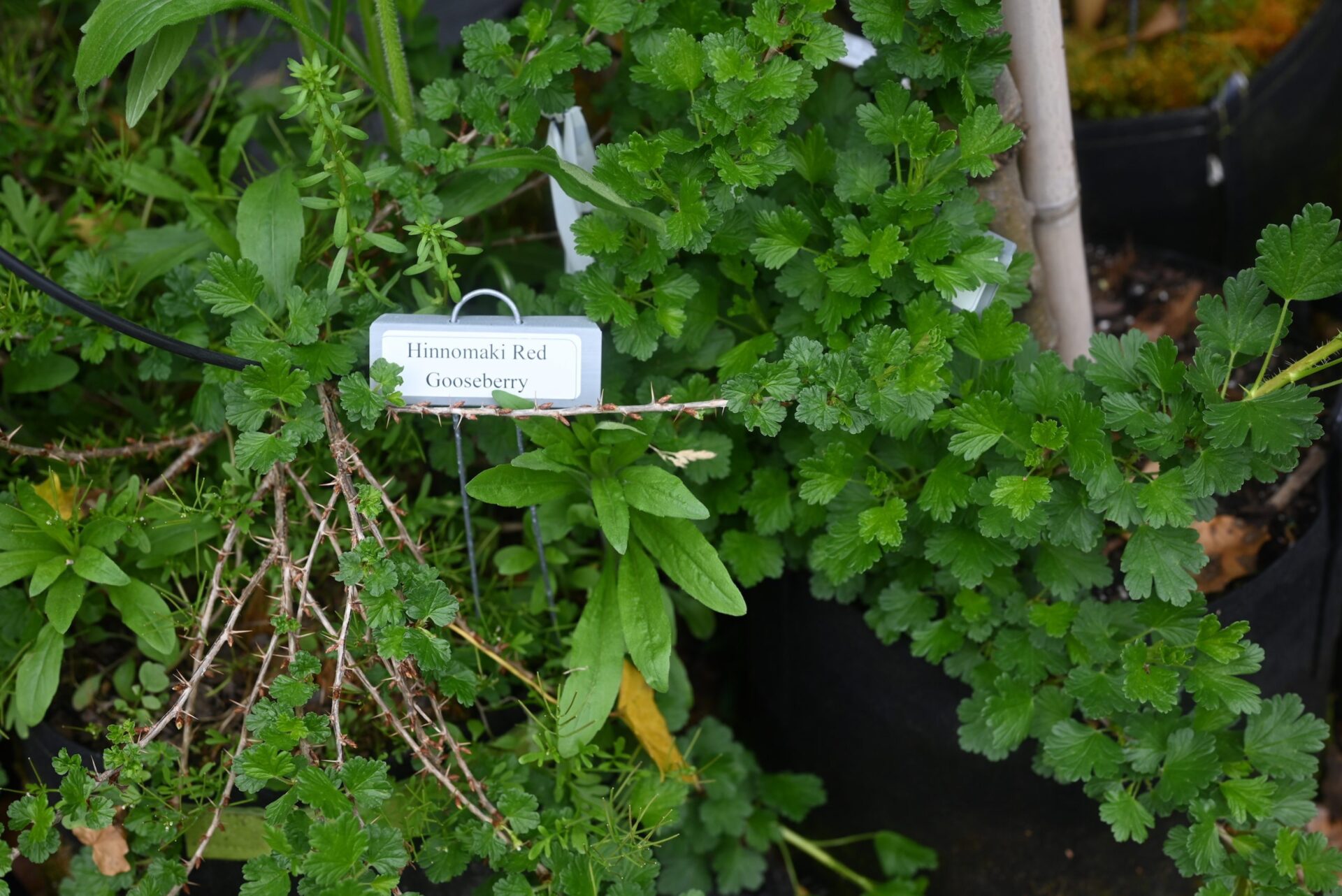
Photo of gooseberry bush with a metal plant label

Harvest Guide

Gooseberries

Harvesting Gooseberries

When It’s Ready
  • Observe the color and size: Gooseberries come in various colors, including green, yellow, and red. Harvest them when they reach their full color and are plump.
  • Check for a slight softness: Gently press a gooseberry, and it should yield slightly without being too mushy.
  • Taste test: Sample a berry to ensure it is tart and flavorful.
  • Summer, typically from June to July
When It’s Too Late
  • Overripe gooseberries become overly soft, discolored, and may start to decay.
  • Regularly inspect your gooseberry bushes to avoid missing the optimal harvest time.
How To
  • Wear gloves to protect your hands from thorns, as gooseberry bushes often have prickly stems.
  • Hold the berry gently between your fingers and give it a slight twist or pull to detach it from the bush.
  • Place the harvested berries carefully in a container, being mindful not to crush them.
  • Remove any leaves or debris from the harvested berries.
Photo of gooseberry bush with a metal plant label

About Gooseberries

Gooseberries are shrubs that grow 4-6 ft tall. They require partial to full sun to thrive, but not trellising or frequent pruning.

Flowering/Fruiting Tendencies

Gooseberries are native to Europe. They have small yellow flowers, produce 1/2-1″ fruits, and often have thorns. Gooseberries taste like a cross between a sour apple and a grape. Good for fresh eating and baking.

Design Notes

Gooseberries have trouble in full sun and hot heat in early years, but produce more in more sun. They do well in part sun too. They have thorns and a habit of spreading as they grow.

Care Notes

Gooseberries benefit from compost and wood chip mulch in spring to promote growth. Typically, pruning involves just the removal of dead or dying canes.

Newly planted perennials require some additional care to help establish and support the plants as they grow. Water newly planted perennials deeply at the root 2-3 times a week during the first growing season. Apply compost and wood chip mulch in the late winter/early spring.

Storing Gooseberries

Fresh Storage: Gently wash and dry berries, then place them in a breathable container lined with paper towels in the refrigerator for up to five days.

Long-Term Storage: Remove the stems and freeze the gooseberries in a single layer on a baking sheet before transferring them to a freezer-safe container for up to a year.

Cooking With Gooseberries

  1. Gooseberry Pie: Combine gooseberries with sugar, a bit of flour or cornstarch, and your choice of spices like cinnamon or nutmeg. Fill a pie crust with the mixture and bake until the filling is bubbly and the crust is golden. Enjoy a tangy and sweet gooseberry pie.
  2. Gooseberry Jam: Cook gooseberries with sugar and a squeeze of lemon juice until they break down and form a thick and tangy jam. Spread it on toast, scones, or use it as a filling for pastries and cakes.
  3. Gooseberry Fool: Cook gooseberries until soft, then purée or mash them. Fold the gooseberries into whipped cream or Greek yogurt for a simple and refreshing dessert. Optionally, layer the gooseberry mixture with crushed cookies or cake for added texture.
  4. Gooseberry Sauce: Simmer gooseberries with sugar and a bit of water until they soften and release their juices. Strain the mixture to remove any seeds and use the sauce as a tangy topping for pancakes, waffles, or roasted meats.
  5. Gooseberry Chutney: Cook gooseberries with onions, vinegar, sugar, and spices like ginger, garlic, and chili flakes. The resulting chutney offers a tangy and slightly spicy condiment that pairs well with cheeses, cold cuts, or curries.
  6. Gooseberry Compote: Simmer gooseberries with a bit of water and sugar until they soften and form a chunky sauce. Serve the compote warm or chilled as a topping for yogurt, oatmeal, or ice cream.

Recipes

Currant Lemonade

A fresh take on a classic lemonade that uses black, red, or champagne currants to create a floral and tangy...

Read More
Photo of cranberry muffins from Pexels

Red Currant Muffins

Red currant muffins are a delightful and fruity treat that showcases the vibrant taste of red currants in a baked...

Read More

Want To Learn More?

At Backyard Eats, we’re passionate about helping our clients discover and share the magic of homegrown good. Our Harvest Guides will teach you everything you need to know to harvest, store, and cook with fresh produce right from your own backyard! Our Harvest Toolkit Directory includes a list of all our step-by-step guides. Click below to give them a try!

Currants

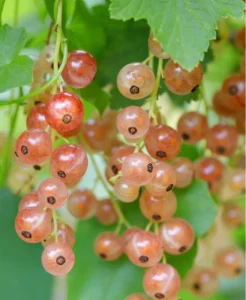
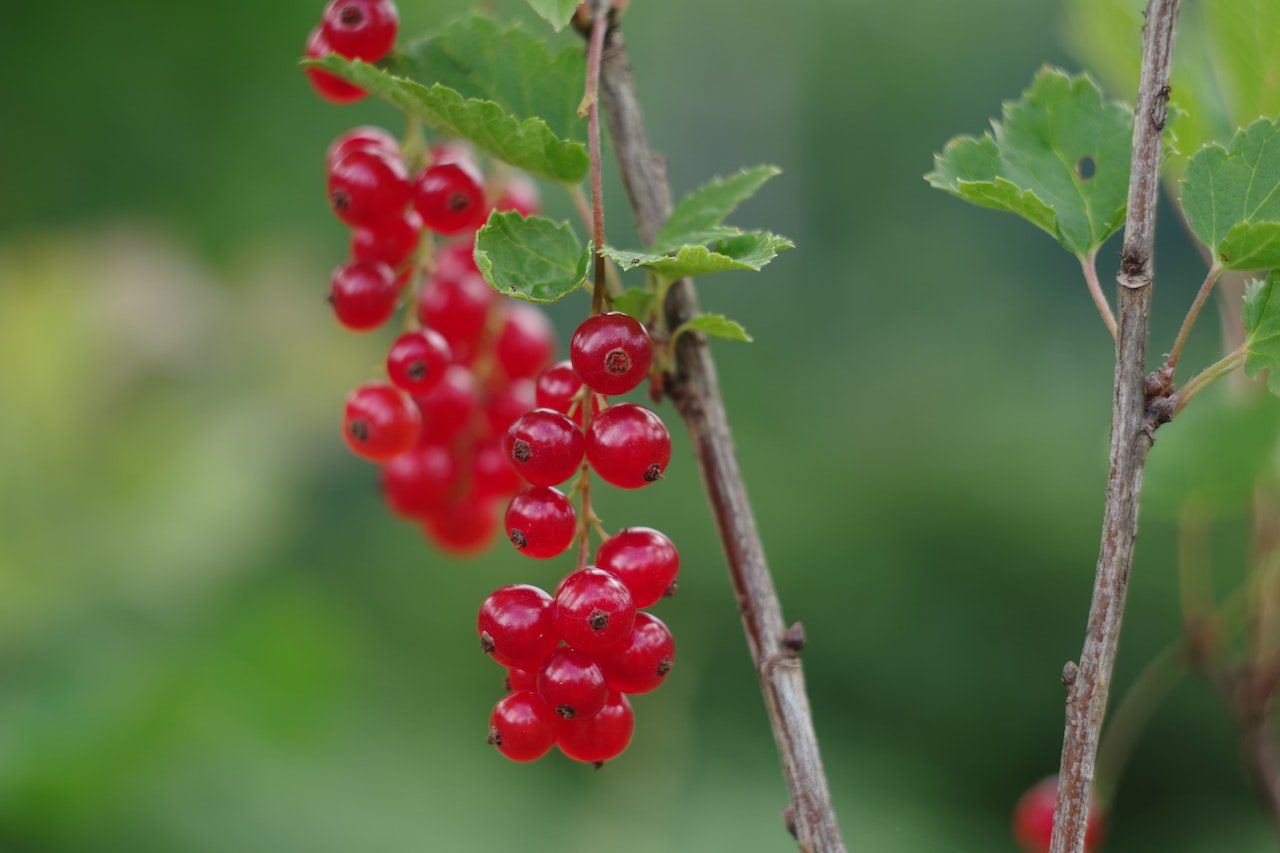
Photo of red currants by Андрей Архипов on Pexels

Harvest Guide

Currants

Harvesting Currants

When It’s Ready
  • Observe the color and texture: Currants come in various colors, including red, black, and white. Harvest them when they are fully colored and plump.
  • Check for a slight softness: Gently squeeze a few currants, and they should yield slightly without being too mushy.
  • Taste test: Sample a berry to ensure it has reached the desired level of sweetness or tartness.
  • Summer, usually from June to July
When It’s Too Late
  • Overripe currants become soft, discolored, and may start to decay.
  • Regularly inspect your currant bushes to avoid missing the optimal harvest time.
How To
  • Hold the currant cluster gently in one hand.
  • Use your other hand to strip the currants from the stems by running your fingers along the cluster, removing the berries.
  • Place the harvested currants carefully in a shallow container, being mindful not to crush them.
  • Remove any stems or debris from the harvested currants.
Photo of red currants by Андрей Архипов on Pexels

About Currants

Currants are shrubs that grow 5-8 ft tall. They require partial to full sun to thrive, but not trellising or frequent pruning.

Flowering/Fruiting Tendencies

Currants are native to Europe. They come in red, pink and black varieties and produce small yellow flowers, then 1/4-1/2″ fruits. Currants have medicinal properties and most taste great fresh eaten. They can be a little sour, so some people bake with them or juice them instead.

Design Notes

Currants have trouble in full sun and hot heat in early years, but produce more fruit in more sun. They do well in part sun too.

Care Notes

Currants benefit from compost and wood chip mulch in spring to promote growth. Typically, pruning involves just the removal of dead or dying canes.

Newly planted perennials require some additional care to help establish and support the plants as they grow. Water newly planted perennials deeply at the root 2-3 times a week during the first growing season. Apply compost and wood chip mulch in the late winter/early spring.

Storing Currants

Fresh Storage: Gently wash and dry berries, then place them in a breathable container lined with paper towels in the refrigerator for up to five days.

Long-Term Storage: Remove the stems and freeze the currants in a single layer on a baking sheet before transferring them to a freezer-safe container for up to a year.

Cooking With Currants

  1. Currant Jam: Cook currants with sugar and a squeeze of lemon juice until they break down and form a thick jam. Spread it on toast, scones, or use it as a filling for pastries and cakes.
  2. Currant Sauce: Simmer currants with sugar and a bit of water until they soften and release their juices. Strain the mixture to remove any seeds and use the sauce as a tangy topping for meats, poultry, or desserts.
  3. Currant Muffins or Scones: Fold currants into muffin or scone batter for a burst of tartness. The flavor of currants pairs well with the sweetness of baked goods, adding a delightful contrast.
  4. Currant Compote: Simmer currants with a bit of water and sugar until they soften and form a chunky sauce. Serve the compote warm or chilled as a topping for yogurt, pancakes, or ice cream.
  5. Currant Salad: Add currants to green salads or grain salads for a pop of tartness. Their vibrant color and tangy flavor can complement a variety of salad ingredients, such as greens, nuts, cheese, and vinaigrette dressings.
  6. Currant Coulis: Purée cooked currants and strain them to remove any seeds, resulting in a smooth sauce. Drizzle the coulis over desserts like cheesecakes, panna cotta, or custards for an elegant touch.
  7. Currant Cordial: Steep currants in a mixture of water, sugar, and optional spices to create a flavorful cordial. The resulting syrup can be used to make refreshing drinks, mixed with sparkling water, or added to cocktails.

Recipes

Currant Lemonade

A fresh take on a classic lemonade that uses black, red, or champagne currants to create a floral and tangy...

Read More

Want To Learn More?

At Backyard Eats, we’re passionate about helping our clients discover and share the magic of homegrown good. Our Harvest Guides will teach you everything you need to know to harvest, store, and cook with fresh produce right from your own backyard! Our Harvest Toolkit Directory includes a list of all our step-by-step guides. Click below to give them a try!

Serviceberries

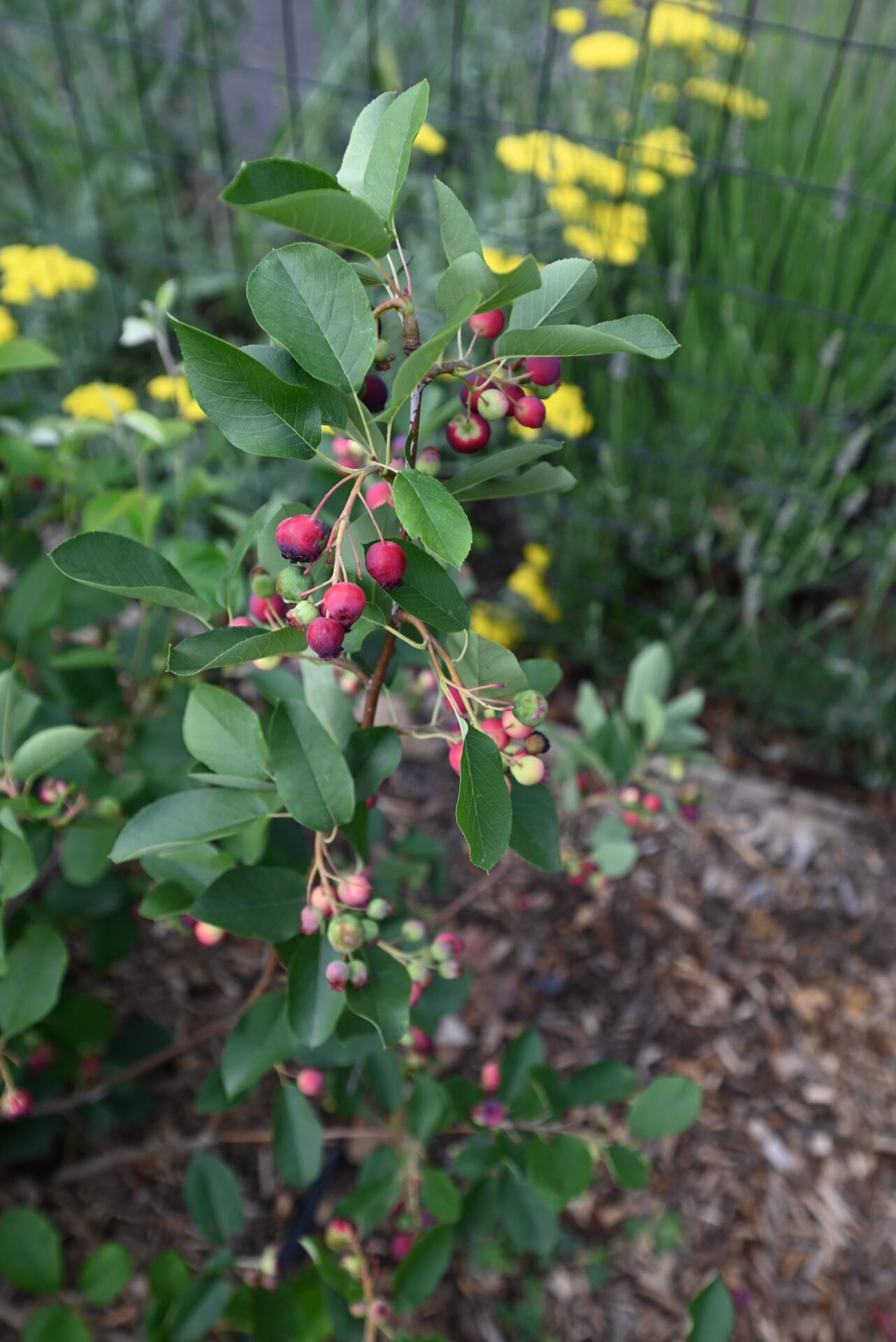
Photo of pink/purple serviceberries on a bush

Harvest Guide

Serviceberries

Harvesting Serviceberries

When It’s Ready
  • Observe the color and texture: Serviceberries, also known as Juneberries, should have a dark purple or blue color when fully ripe.
  • Check for a slight softness: Gently press a few serviceberries, and they should yield slightly without being too mushy.
  • Taste test: Sample a berry to ensure it has reached the desired level of sweetness.
  • Late spring to early summer, typically from May to June
When It’s Too Late
  • Overripe serviceberries become soft, discolored, and may start to ferment or attract pests.
  • Regularly inspect your serviceberry trees or shrubs to avoid missing the optimal harvest time.
How To
  • Use your fingers or a small pair of scissors to pick the ripe serviceberries.
  • Hold the berry gently and give it a slight twist to detach it from the cluster or branch.
  • Place the harvested serviceberries carefully in a container, being mindful not to crush them.
  • Remove any stems or leaves from the harvested serviceberries.
Photo of pink/purple serviceberries on a bush

About Serviceberries

Serviceberries are a bush or tree that can grow 6-25 feet tall. They require partial to full sun to thrive, but not frequent pruning or a pollinating pair.

Flowering/Fruiting Tendencies

Serviceberries, prized for their delicate white blooms in spring and abundant clusters of sweet, blue-purple berries in summer, are prolific fruit bearers, perfect for home gardeners seeking a versatile ornamental and edible addition to their landscape.

Design Notes

Serviceberries are highly versatile in design, offering multi-season interest with their showy spring blossoms, vibrant summer fruit, and brilliant fall foliage. Their compact size and attractive branching structure make them ideal for small gardens or as understory trees, providing both beauty and functionality.

Care Notes

Home gardeners cultivating serviceberries should prioritize well-drained soil and ample sunlight for optimal growth and fruit production. Regular watering, especially during dry periods, and organic mulching to retain moisture are essential for maintaining healthy trees. Pruning to shape and remove dead or diseased branches, along with monitoring for pests like sawflies or cedar-apple rust, ensures a thriving and resilient addition to any garden landscape.

Newly planted perennials require some additional care to help establish and support the plants as they grow. Water newly planted perennials deeply at the root 2-3 times a week during the first growing season. Apply compost and wood chip mulch in the late winter/early spring.

Storing Serviceberries

Fresh Storage: Gently wash and dry berries, then place them in a breathable container lined with paper towels in the refrigerator for up to five days.

Long-Term Storage: Remove the stems and freeze the serviceberries in a single layer on a baking sheet before transferring them to a freezer-safe container for up to a year.

Cooking With Serviceberries

  1. Serviceberry Jam: Cook serviceberries with sugar and a squeeze of lemon juice until they break down and form a thick jam. Spread it on toast, biscuits, or use it as a filling for pastries and cakes.
  2. Serviceberry Pie: Combine serviceberries with sugar, a bit of flour or cornstarch, and your choice of spices like cinnamon or nutmeg. Fill a pie crust with the mixture and bake until the filling is bubbly and the crust is golden. Enjoy a delicious and fruity serviceberry pie.
  3. Serviceberry Muffins or Pancakes: Fold serviceberries into muffin or pancake batter for a burst of sweetness and flavor. The berries add a delightful touch to breakfast treats.
  4. Serviceberry Sauce: Simmer serviceberries with sugar and a bit of water until they soften and release their juices. Strain the mixture to remove any seeds and use the sauce as a fruity topping for pancakes, waffles, or desserts.
  5. Serviceberry Salad: Add fresh serviceberries to green salads or fruit salads for a pop of sweetness. They can complement other fruits, such as mixed greens, nuts, cheese, and a light vinaigrette dressing.
  6. Serviceberry Crumble: Combine fresh or frozen serviceberries with sugar and a squeeze of lemon juice, then top them with a crumble mixture made from oats, flour, butter, and brown sugar. Bake until the berries are bubbling and the topping is golden and crisp.

Recipes

Want To Learn More?

At Backyard Eats, we’re passionate about helping our clients discover and share the magic of homegrown good. Our Harvest Guides will teach you everything you need to know to harvest, store, and cook with fresh produce right from your own backyard! Our Harvest Toolkit Directory includes a list of all our step-by-step guides. Click below to give them a try!

Raspberries

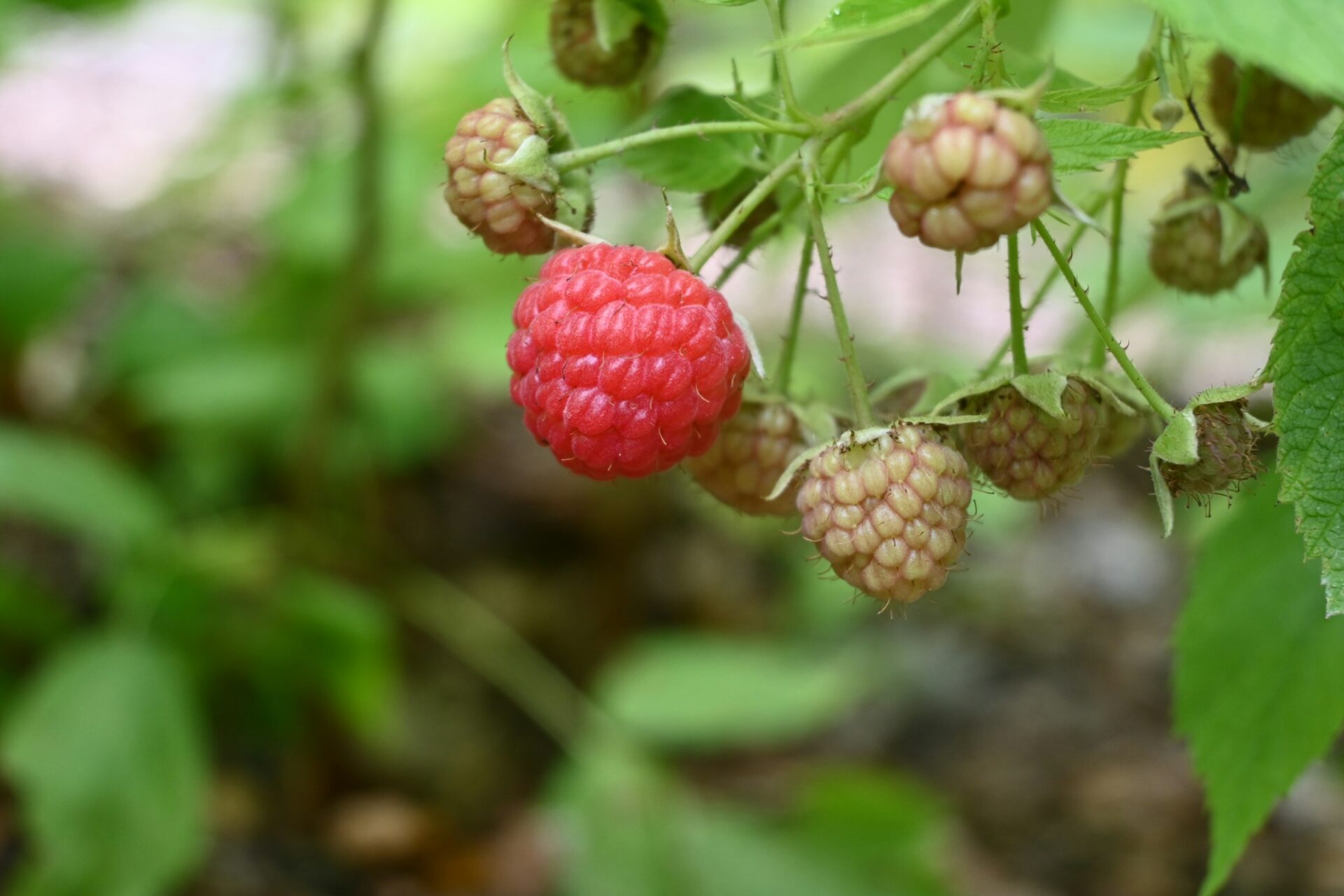
Ripe raspberry on the vine from Jo Anaya from Unsplash

Harvest Guide

Raspberries

Harvesting Raspberries

When It’s Ready
  • Observe the fruit’s color and texture: Ripe raspberries will have vibrant colors and a slightly soft texture.
  • Gently tug the fruit: If it easily comes off the stem without resistance, it is ready for picking.
  • Harvest in the early morning: The cool temperatures help preserve the fruit’s freshness and flavor.
  • Summer to early fall, with a peak harvest usually in July
When It’s Too Late
  • Overripe fruit may become mushy, discolored, or start to decay.
  • Regularly check your plants to ensure you don’t miss the optimal harvest time.
How To
  • Wear gloves to protect your hands from thorns.
  • Grasp the ripe fruit gently and twist it to detach it from the stem.
  • Place the harvested fruit carefully in a shallow container to avoid crushing them.
  • Avoid leaving harvested fruit out in direct sunlight for extended periods.
Ripe raspberry on the vine from Jo Anaya from Unsplash

About Raspberries

Raspberries are cane plants that grow 4-7 ft tall. They require partial to full sun to thrive, and need trellising and pruning for proper support and ongoing care. Netting can also help protect the fruit from birds and squirrels.

Flowering/Fruiting Tendencies

Ever-bearing varieties of raspberries typically produce new canes in spring, fruit in the fall on the tips of canes, and fruit again in the next spring before dying during their second fall. This cycles continues with new canes. Other raspberry varieties will grow a new cane in year one and only fruit once in their second spring before dying in their second fall. Raspberries spread through underground runners and will come up all over the bed they’re planted in. They don’t stay in one “crown” like blackberries do.

Design Notes

Raspberries spread by runners which need to be removed from spreading outside the bed. Therefore raspberries can look unwieldy, especially in winter. They need a wire trellis to keep them upright for ease of maintenance, harvesting and pruning.

Care Notes

Raspberries benefit from compost and wood chip mulch in spring to promote growth. Remove any dead or dying canes, usually 3rd year canes, in spring. For ever-bearing varieties which fruit on their tips during their first fall season, canes can be “tipped” after fruiting in fall to promote fruiting down the rest of the cane in spring. This should be done after fruiting finishes and tips start to die. Other than removing dead canes, some patches can be thinned to promote healthier growth overall. Newly planted perennials require some additional care to help establish and support the plants as they grow. Water newly planted perennials deeply at the root 2-3 times a week during the first growing season. Apply compost and wood chip mulch in the late winter/early spring.

Storing Raspberries

Fresh Storage: Place berries in a breathable container lined with paper towels in the refrigerator for up to five days.

Long-Term Storage: Freeze the fruit in a single layer on a baking sheet. Transfer it to a freezer-safe container for up to six months.

Cooking With Raspberries

  1. Raspberry Jam: Simmer raspberries with sugar and a splash of lemon juice until it thickens into a luscious jam. Use it as a spread on toast, pancakes, or in desserts like thumbprint cookies.
  2. Raspberry Smoothie: Blend raspberries with yogurt, a banana, and a splash of milk for a refreshing and nutritious smoothie. Add honey or maple syrup for extra sweetness if desired.
  3. Raspberry Crumble: Mix raspberries with sugar and a squeeze of lemon juice, then top with a crumble mixture made from oats, flour, butter, and sugar. Bake until the fruit is bubbling and the crumble is golden and crisp. Serve with a scoop of vanilla ice cream.
  4. Raspberry Fruit Salad: Combine cane fruit with other fresh fruits like strawberries, blueberries, and sliced peaches. Toss with a squeeze of lemon juice and a drizzle of honey for a vibrant and flavorful fruit salad.
  5. Raspberry Cobbler: Layer raspberries in a baking dish and top with a sweet biscuit dough. Bake until the fruit is bubbling and the biscuit topping is golden and cooked through. Serve warm with a dollop of whipped cream or a scoop of ice cream.

Recipes

Want To Learn More?

At Backyard Eats, we’re passionate about helping our clients discover and share the magic of homegrown good. Our Harvest Guides will teach you everything you need to know to harvest, store, and cook with fresh produce right from your own backyard! Our Harvest Toolkit Directory includes a list of all our step-by-step guides. Click below to give them a try!

Baby Greens

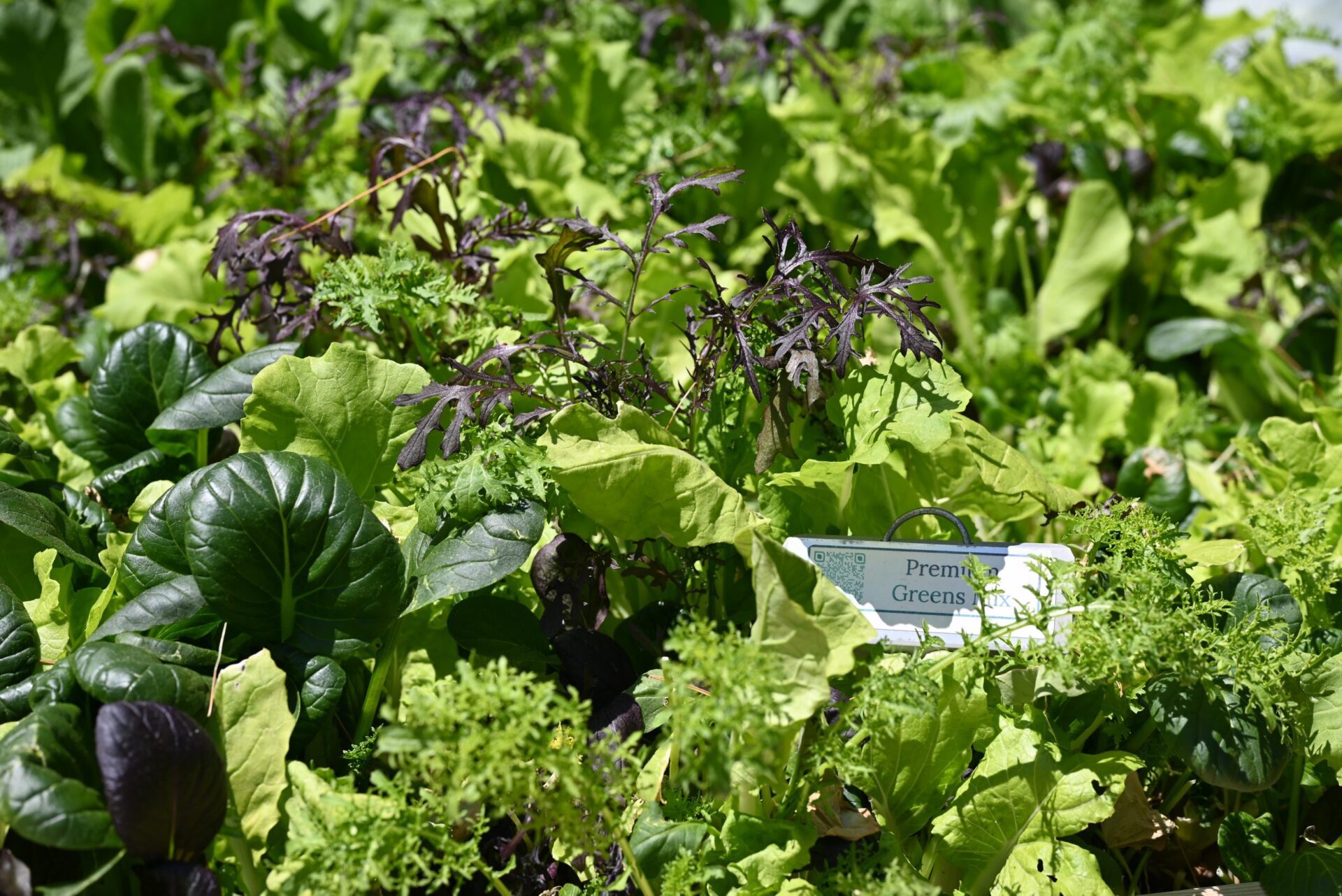
Close-up photo of a bed of baby greens

Harvest Guide

Baby Greens

Harvesting Baby Greens

How To
  • Harvest when the leaves are at least 3″ tall.
  • Cut leaves about 2″ above the soil. Use a sharp, serrated knife or pair of scissors.
  • Leave some portions of leaves to allow the plant to re-grow from that point.
  • Arugula is typically ready to harvest late April or early May. Other Baby greens are typically ready to harvest May-June.
Pro Tip
  • Grab a handful of leaves from the top, and bend them back to cut as close to the leaf stem as possible. That way you can throw a handful of cut leaves right into the salad spinner without any additional work!
Close-up photo of a bed of baby greens

Growing Baby Greens

Growing baby greens involves planting fast-growing young vegetables, such as lettuce and spinach, and harvesting them when they’re still small. One benefit of growing baby greens in a raised bed is improved drainage and warmer soil temperatures, allowing for earlier planting in the spring and a longer growing season in the fall. Baby greens can sprout within 7-14 days and typically reach maturity for harvest within 20-30 days.

Baby greens can be harvested multiple times throughout the growing season, making them a great option for those who want a continuous supply of fresh greens.

Varieties of Baby Greens:

Baby Arugula | Baby Kale Mix | Baby Lettuce Mix | Baby Spinach Mix | Brassica Greens Mix | Spicy Greens Mix

Storing Baby Greens

Storing baby greens properly is important to maintain their quality and flavor. Store-bought baby greens tend to deteriorate within a week of refrigeration, whereas homegrown greens can be harvested and stored fresh, and last much longer. Here’s how to store baby greens for maximum freshness:

  • Wash the greens thoroughly with cold water
  • Dry them with a clean towel or salad spinner
  • Wrap them in a damp paper towel and place them in a plastic bag in the refrigerator. 

This is the optimal way to store baby greens, and will keep them fresh for up to a month when homegrown and stored with care.  Less intensive storage methods will suffice, but yield shorter storage life.

Cooking With Baby Greens

These tender greens are packed with flavor and nutrition, and can be used in a variety of dishes. Here are some of our favorite methods:

  1. Sandwiches and wraps: Add a handful of baby lettuce mix or baby spinach mix to your favorite sandwich or wrap for an extra pop of flavor and nutrition.
  2. Smoothies and juices: Blend baby kale mix or baby spinach mix into your morning smoothie or green juice for a nutritious boost.
  3. Salads: Create a refreshing salad with baby arugula, baby lettuce mix, or spicy greens mix, topped with your favorite fruits, nuts, and dressings.
  4. Soups and stews: Add brassica greens mix or baby kale mix to your favorite soup or stew for added nutrition and flavor.
  5. Tacos and burritos: Use baby lettuce mix or spicy greens mix as a base for your favorite tacos or burritos, topped with avocado, salsa, and protein of your choice.
  6. Pizza and flatbreads: Top your pizza or flatbread with baby spinach mix or baby arugula for a fresh and flavorful twist.
  7. Pasta dishes: Toss baby kale mix or baby spinach mix with your favorite pasta, topped with Parmesan cheese and a drizzle of olive oil.
  8. Stir-fries: Stir-fry brassica greens mix or spicy greens mix with your favorite vegetables and protein for a healthy and flavorful meal.
  9. Frittatas and omelets: Add baby arugula or baby spinach mix to your favorite frittata or omelet for an extra boost of nutrients and flavor.
  10. Grain bowls: Create a healthy and flavorful grain bowl with a base of baby lettuce mix, topped with roasted vegetables, protein, and your favorite dressing.

Recipes

No posts found!

Want To Learn More?

At Backyard Eats, we’re passionate about helping our clients discover and share the magic of homegrown good. Our Harvest Guides will teach you everything you need to know to harvest, store, and cook with fresh produce right from your own backyard! Our Harvest Toolkit Directory includes a list of all our step-by-step guides. Click below to give them a try!

Fennel

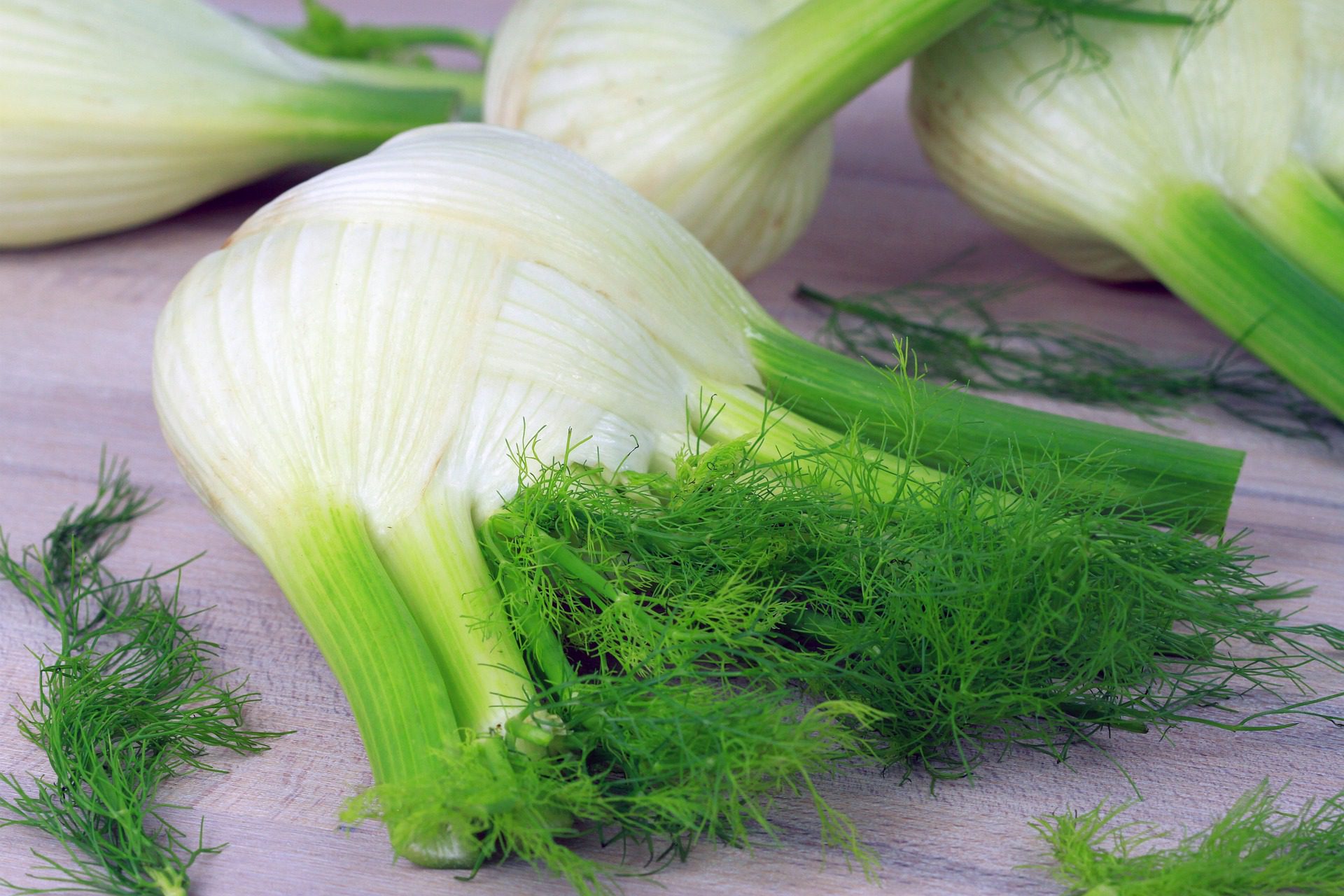
Harvested fennel bulb with fronds cut off

Harvest Guide

Fennel

Harvesting Fennel

When It’s Ready
  • When the bulb reaches 2-3″ diameter
  • You may also harvest individual fennel leaves (“fronds”) as needed for a garnish
  • Harvest no more than 1/3 of the fronds at one to encourage growth
  • June – first frost
When It’s Too Late
  • If left in the ground too long, fennel bulbs will begin to rot and will have to be peeled back or discarded.
How To
  • Use a sharp knife or pair of garden shears to cut off the leaves and stalks from the bottom of the plant
  • Gently dig out the soil around the bulb of the plant and cut away from the roots
  • Leave the taproot intact
Harvested fennel bulb with fronds cut off

Growing Fennel

Fennel is a flavorful herb that is often used in cooking to add a unique taste to dishes. It has a crunchy texture and a slightly sweet, licorice-like flavor that is both refreshing and savory. Fennel can be chopped up and added to a salad for a refreshing crunch or roasted with other vegetables for a delicious side dish.

Storing Fennel

Fennel can be stored for several days in the refrigerator.

Cooking With Fennel

  1. Fennel Salad: Thinly slice fennel bulb and toss it with mixed salad greens, orange segments, and a light vinaigrette dressing. The crisp and refreshing flavors make for a delightful salad.
  2. Roasted Fennel: Cut fennel bulb into wedges, drizzle with olive oil, sprinkle with salt and pepper, and roast in the oven until caramelized and tender. This brings out the natural sweetness and adds a delicious side dish or topping for pizzas and sandwiches.
  3. Fennel Soup: Sauté sliced fennel bulb with onions and garlic, then simmer with vegetable or chicken broth until the fennel is soft. Blend until smooth and creamy, and season with herbs and spices of your choice. Enjoy a comforting and flavorful fennel soup.
  4. Grilled Fennel: Brush fennel slices with olive oil, sprinkle with salt and pepper, and grill until tender and slightly charred. Grilled fennel has a smoky flavor that pairs well with grilled meats or can be served as a standalone side dish.
  5. Fennel and Citrus Roasted Salmon: Place salmon fillets on a bed of sliced fennel and citrus fruits like oranges or lemons. Drizzle with olive oil, sprinkle with fennel fronds, salt, and pepper. Roast until the salmon is cooked through and serve for an elegant and flavorful main course.

Recipes

Photo of grated carrots from 건복맘 from Wikimedia Commons

Fennel and Carrot Salad

Crafting a fennel and carrot salad is a simple yet highly rewarding culinary journey. This salad showcases the natural sweetness...

Read More

Want To Learn More?

At Backyard Eats, we’re passionate about helping our clients discover and share the magic of homegrown good. Our Harvest Guides will teach you everything you need to know to harvest, store, and cook with fresh produce right from your own backyard! Our Harvest Toolkit Directory includes a list of all our step-by-step guides. Click below to give them a try!

Edamame

Photo of edamame plant from Fredox Carvalho from Pexels

Harvest Guide

Edamame

Harvesting Edamame

When It’s Ready
  • Soybeans are ready to harvest when the pods become larger, plump with beans and bright green.
  • Unlike pole beans, you want the pods to be filled out
  • July – first frost
When It’s Too Late
  • When the leaves turn yellow, or when the beans begin to outgrow the pod
How To
  • Use a pair of pruners to separate the pod from the parent plant
  • You may also use your hands to gently pull the pods upwards, until they easily detach
Photo of edamame plant from Fredox Carvalho from Pexels

Growing Edamame

Edamame is a type of soybean that is harvested when it is still young and tender. It has a sweet, nutty flavor and a slightly crunchy texture. Edamame can be prepared in a variety of ways, including boiling, steaming, or microwaving. It adds a nice crunch and fresh flavor to salads or stir-fries.

Storing Edamame

Store in a loosely closed plastic bag or container in the fridge for up to a week.

Cooking With Edamame

  1. Edamame and Vegetable Stir-Fry: Sauté cooked edamame with a colorful mix of vegetables like bell peppers, carrots, broccoli, and snow peas. Season with soy sauce, ginger, garlic, and a sprinkle of sesame seeds for a flavorful and nutritious stir-fry.
  2. Edamame Salad Bowl: Combine cooked edamame with quinoa or brown rice, diced cucumber, shredded carrots, and chopped fresh herbs like cilantro or mint. Dress with a tangy vinaigrette or a sesame ginger dressing for a satisfying and protein-packed salad.
  3. Garlic and Sesame Edamame: Sauté cooked edamame in a pan with minced garlic, a drizzle of sesame oil, and a sprinkle of sesame seeds. Cook until heated through and well coated. This simple preparation brings out the natural flavors of edamame.
  4. Edamame and Tomato Pasta: Toss cooked edamame with cooked pasta, halved cherry tomatoes, diced red onion, and a light lemon-herb dressing. Add a sprinkle of grated Parmesan cheese or feta for extra flavor.
  5. Edamame and Corn Succotash: Sauté cooked edamame with fresh corn kernels, diced bell peppers, and onions. Season with herbs like thyme or basil, a squeeze of lemon juice, salt, and pepper. This colorful and vibrant side dish pairs well with grilled meats or fish.

Recipes

Want To Learn More?

At Backyard Eats, we’re passionate about helping our clients discover and share the magic of homegrown good. Our Harvest Guides will teach you everything you need to know to harvest, store, and cook with fresh produce right from your own backyard! Our Harvest Toolkit Directory includes a list of all our step-by-step guides. Click below to give them a try!

Broccoli

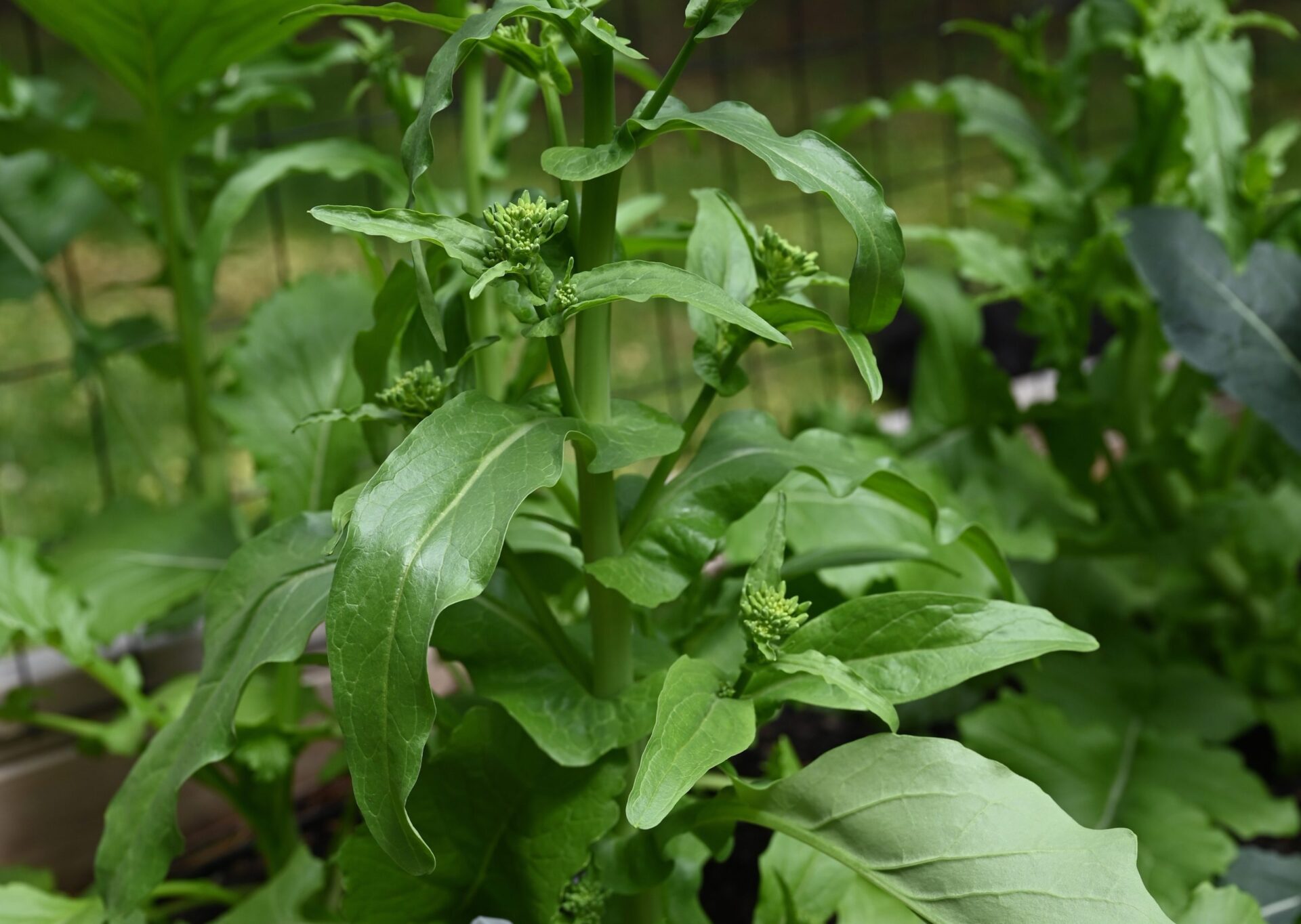
Broccoli plant

Harvest Guide

Broccoli

Harvesting Mini Broccoli

When It’s Ready
  • Harvest mini broccoli when the heads are compact, and the main head measures about 3-4 inches in diameter.
  • The side shoots should also be of a decent size, typically around 2-3 inches in length.
  • The exact timing can vary based on growing conditions, but mini broccoli generally matures within 50-60 days after transplanting.
When It’s Too Late
  • When plants begin to produce yellow flowers (aka bolt), which makes them bitter and unpalatable
How To
  • When harvesting, use a sharp knife or garden shears to cut the main head of the broccoli from the plant, leaving about 5-6 inches of stem attached to encourage further side shoot production.
  • Harvest side shoots when they reach a usable size, usually every few days.
  • It’s best to harvest in the morning when the heads are crisp and full of moisture.
  • Avoid harvesting during the heat of the day, as the heads may become wilted.
Broccoli plant

Growing Mini Broccoli

Mini broccoli, also known as “broccolini” or “baby broccoli,” is a tender and flavorful vegetable that is a hybrid of broccoli and Chinese broccoli. It features long, slender stems topped with small broccoli florets and leaves, offering a delicate texture and a mild, slightly sweet taste. Mini broccoli is highly nutritious, packed with vitamins, minerals, and antioxidants, and it’s versatile in the kitchen, suitable for sautéing, steaming, roasting, or adding raw to salads and stir-fries. Its compact size and rapid growth make it a popular choice for home gardeners and culinary enthusiasts alike

Storing Mini Broccoli

Immediately after harvesting, refrigerate the mini broccoli heads. They can be stored in the refrigerator for up to a week. If you have excess, consider blanching and freezing them for longer-term storage.

Cooking With Mini Broccoli

  1. Sautéed Mini Broccoli: Heat olive oil in a pan, add chopped garlic and red pepper flakes for some heat, and sauté mini broccoli until tender-crisp. Season with salt and pepper, and serve as a flavorful side dish or a topping for pizza and pasta.
  2. Mini Broccoli Stir-Fry: Stir-fry mini broccoli with your favorite vegetables like bell peppers, mushrooms, and onions. Add a splash of soy sauce or a drizzle of sesame oil for a delicious Asian-inspired dish.
  3. Mini Broccoli Pasta: Blanch or steam mini broccoli until slightly tender, then toss it with cooked pasta, olive oil, garlic, and grated Parmesan cheese. Sprinkle with lemon zest for a bright and tangy twist.
  4. Mini Broccoli and Sausage Skillet: Brown Italian sausage in a skillet, then add chopped mini broccoli and sauté until wilted. Season with salt, pepper, and a squeeze of lemon juice. Serve as a filling and flavorful main dish.
  5. Mini Broccoli Pesto: Blanch or steam mini broccoli, then blend it with garlic, pine nuts, Parmesan cheese, and olive oil to create a unique pesto. Use it as a spread on sandwiches, a topping for grilled chicken or fish, or toss it with cooked pasta.

Recipes

Want To Learn More?

At Backyard Eats, we’re passionate about helping our clients discover and share the magic of homegrown good. Our Harvest Guides will teach you everything you need to know to harvest, store, and cook with fresh produce right from your own backyard! Our Harvest Toolkit Directory includes a list of all our step-by-step guides. Click below to give them a try!