Strawberry Rhubarb Cake

Photo of plum cake from Alberta Co-op


Strawberry rhubarb cake is a delectable and delightful dessert that combines the luscious sweetness of strawberries with the tartness of rhubarb. With minimal effort and a handful of ingredients, you can create a moist and flavorful cake that is sure to impress. The juicy strawberries and tangy rhubarb create a harmonious flavor profile that dances on your taste buds. Whether enjoyed on its own or with a dollop of whipped cream, strawberry rhubarb cake is a delightful treat that celebrates the flavors of the season. Indulge in the simplicity of making this scrumptious cake and savor every blissful bite.

Photo of plum cake from Alberta Co-op

Strawberry Rhubarb Cake

Mary Younkin
Strawberry rhubarb cake is a delectable and delightful dessert that combines the luscious sweetness of strawberries with the tartness of rhubarb.
Prep Time 12 minutes
Cook Time 45 minutes
Total Time 57 minutes
Course Dessert
Servings 16 servings

Ingredients
  

  • 3 eggs
  • 2 cups sugar
  • 3/4 cup butter (softened)
  • 1 tsp vanilla
  • 2 cups all-purpose flour (see below for gluten-free alternative)
  • 2 cups strawberries (washed, dried as much as possible, and chopped very small)
  • 1 cup rhubarb thinly sliced and chopped

Instructions
 

  • Preheat oven to 350 degrees. With a mixer, beat the eggs with the sugar until slightly thickened and light in color, about 5-7 minutes. The mixture should almost double in size. The eggs work as your leavening agent in this recipe, so do not skip or shorten this step. This mixture should form a ribbon when you lift the beaters out of the bowl.
  • Add the butter and vanilla; mix two more minutes. Add the flour and mix until just combined. Add the rhubarb and strawberries and stir to mix throughout.
  • Spread in a buttered 9x13 pan. Bake for 40-50 minutes, or until very lightly browned and a toothpick inserted near the center of the cake comes out clean. (43 minutes typically works for me.) Let cool completely before cutting into small slices. Enjoy!

Notes

Gluten Free Substitution: 1 ¼ cup brown rice flour + ½ cup potato starch + ¼ cup tapioca starch + 1 teaspoon xanthan gum may be substituted for the amount of all-purpose flour listed in the ingredients above.
This recipe is courtesy of Molly Younkin at Barefeet in the Kitchen.


Frisée Salad with Warm Bacon Vinaigrette

Photo of salad with eggs and bacon from Mateusz Feliksik from Pexels

Crafting a frisée salad with warm bacon vinaigrette at home is a gratifying and straightforward experience. This salad combines the crisp bitterness of frisée lettuce with a luscious, savory bacon vinaigrette that is gently warmed to perfection. With just a handful of ingredients, you can create a salad bursting with contrasting flavors and textures. The frisée adds a delightful crunch, while the warm bacon vinaigrette adds richness and a hint of smokiness. As you toss the salad and the vinaigrette coats each leaf, you’ll witness a harmony of flavors that will leave your taste buds satisfied. Revel in the simplicity of making this satisfying salad in your own kitchen, impressing your guests or treating yourself to a restaurant-worthy dish.

Photo of salad with eggs and bacon from Mateusz Feliksik from Pexels

Frisée Salad With Warm Bacon Vinaigrette

Molly Baz
This salad combines the crisp bitterness of frisée lettuce with a luscious, savory bacon vinaigrette that is gently warmed to perfection.
Course Salad
Servings 2 people

Ingredients
  

  • 1/4 baguette
  • 6 oz thick-cut bacon (about 6 slices)
  • 1 large shallot
  • 1/2 small bunch chives
  • 8 cups frisee (about 1 large head)
  • 3 Tbsp extra-virgin olive oil
  • Kosher salt
  • Freshly ground black pepper
  • 1/4 cup red wine vinegar
  • 1 Tbsp honey
  • 2 large eggs

Instructions
 

  • Bring a medium saucepan of water to a boil. Meanwhile, tear ¼ baguette into 1" irregular craggy pieces (these will be your croutons). Cut 6 oz. thick-cut bacon crosswise into ¾" strips. Peel 1 large shallot, then thinly slice crosswise. Slice ½ small bunch of chives into ¾" batons.
  • Thoroughly wash and dry 8 cups frisée. Transfer to a large bowl.
  • Heat 3 Tbsp. extra-virgin olive oil in a medium skillet over medium until shimmering. Add torn bread and stir well to evenly coat in oil. Reduce heat to medium-low and cook, stirring occasionally, until golden brown and crisp in some areas, 4–5 minutes. You aren’t looking for croutons that are crisp all the way through—just some good browning on the outside. Season with kosher salt and freshly ground black pepper and transfer to a plate. Let cool; reserve skillet.
  • Return skillet to medium heat. Cook bacon, stirring frequently, until just shy of crisp, 4–5 minutes.
  • Add shallots and ½ tsp. pepper and continue to cook, stirring occasionally, until shallots are just softened, about 2 minutes. Remove skillet from heat and stir in ¼ cup red wine vinegar, scraping bottom of skillet to collect all those yummy bits.
  • Add 1 Tbsp. honey, stirring to combine. Taste the dressing—if it feels like it needs a little bit more acidity, add a splash of vinegar. Every type of bacon will render out a different amount of fat, and it’s that fat that will balance out the acidic vinegar, so you have to use your judgement.
  • Time to poach 2 eggs! Crack each egg into small separate bowls. Working over another bowl or the sink, carefully tilt bowl into a fine-mesh sieve, allowing excess white to slip through. This leaves behind a smaller orb of egg white that surrounds the yolk and ensures that your poached eggs won't have those scraggly, tail bits. Transfer egg to a medium shallow bowl. Repeat with remaining egg and transfer to same medium bowl.
  • Carefully lower rim of medium bowl into saucepan of boiling water. Tilt bowl so each egg gently drops into the water, one by one. Turn off heat and set a timer for 3 minutes. Poaching the eggs in hot, unmoving water, allows them to cook super gently.
  • While eggs cook, toss lettuce, bacon vinaigrette, croutons, and chives to combine; season with salt. Divide salad between bowls.
  • Back to those eggs. Using a slotted spoon, scoop up each egg and lightly blot on a clean kitchen towel or paper towels to remove any water clinging on.
  • Transfer egg to top of each salad; season eggs with salt and pepper.

Notes

This recipe is courtesy of Molly Baz at Bon Appetit.

Spinach & Strawberry Salad

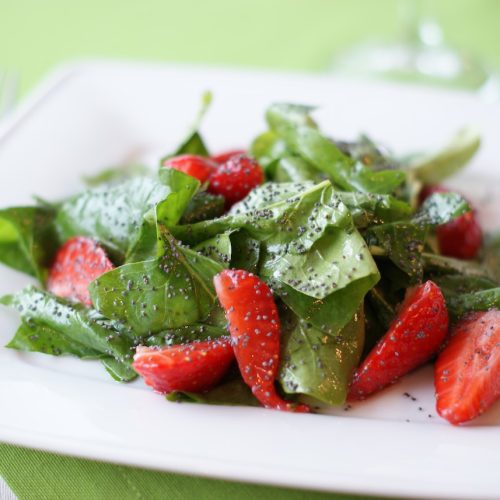
Photo of spinach salad with strawberries from Marko Rick from Pexels
Spinach and strawberry salad is a delightful and refreshing combination that brings together the crispness of spinach with the sweetness of juicy strawberries. With just a handful of ingredients and simple preparation, you can create a vibrant and nutritious salad that is both satisfying and visually appealing. The tender spinach leaves provide a fresh and earthy backdrop for the burst of flavor from the ripe strawberries. Tossed together with a light dressing, this salad is a perfect balance of sweet and savory, making it a delightful addition to any meal or a standalone dish.
Photo of spinach salad with strawberries from Marko Rick from Pexels

Spinach & Strawberry Salad

Spinach and strawberry salad is a delightful and refreshing combination that brings together the crispness of spinach with the sweetness of juicy strawberries.
Prep Time 10 minutes
Total Time 10 minutes
Course Salad

Ingredients
  

Salad Base

  • 2 bunches raw spinach (washed, drained, and torn apart)
  • 1 cup fresh strawberries (washed and cut in half)

Salad Dressing

  • 1/2 cup sugar
  • 1 tsp dry mustard
  • 1 tsp salt
  • 1/2 tsp celery seed
  • 3 Tbsp grated onion
  • 1 cup vegetable oil
  • 1/3 cup wine vinegar (e.g. red wine vinegar)

Instructions
 

  • Mix sugar, mustard, salt, celery seed, onion, oil and vinegar.
  • Pour over spinach and strawberries just before serving.  Toss to mix well.

Salt Herbs

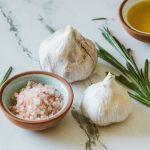
Photo of garlic bulbs and salt from Jess Loiterton from Pexels


Salt herbs are a versatile and rewarding seasoning that adds a burst of flavor to any dish. With a simple blend of dried herbs and salt, you can create a fragrant and savory mixture that enhances the taste of your favorite foods. The herbs infuse the salt with their aromatic notes, elevating the overall flavor profile. Whether sprinkled on grilled meats, roasted vegetables, or even used as a finishing touch on homemade bread, salt herbs bring a satisfying depth of taste. Enjoy the ease and satisfaction of making your own flavorful seasoning, taking your culinary creations to new heights with just a pinch of salt herbs.

Salt Herbs

With a simple blend of dried herbs and salt, you can create a fragrant and savory mixture that enhances the taste of your favorite foods.
Course: Ingredient
Author: The Professional Chef Ninth Edition

Materials

  • 1.25 oz salt
  • 4 tsp rosemary leaves
  • 4 tsp thyme leaves
  • 1 tsp black peppercorns
  • 6 bay leaves

Instructions

  • Combing all the ingredients in a clean spice grinder and grind to a medium-fine powder.
  • Put in an air-tight container and let rest for 12 hours before using.

Notes

Salt herbs can be made using any combination of herbs from your garden. Whatever your personal preferences are! They are great to use as a dry rub on meat.

Quick and Easy Angel Food Berry Cake

Homemade angel food cake with berries


Angel berry food cake is a simple and delightful dessert that brings together light and airy angel food cake with a burst of fresh berries. With minimal ingredients and straightforward steps, you can create a heavenly treat that is both satisfying and visually stunning. The delicate sweetness of the cake perfectly complements the vibrant and juicy berries, creating a harmonious blend of flavors. Whether enjoyed on its own or with a dollop of whipped cream, angel berry food cake is a delicious and effortless way to indulge in a delightful dessert.
Homemade angel food cake with berries

Quick and Easy Angel Food Berry Cake

Angel berry food cake is a simple and delightful dessert that brings together light and airy angel food cake with a burst of fresh berries.
Course Dessert

Ingredients
  

  • 1 8-9" round angel food cake (prepared)
  • 1 14 oz can sweetened condensed milk (NOT evaporated milk)
  • 1/2 cup ReaLemon lemon juice concentrate
  • 1.5 cups fresh berries (e.g. strawberries, raspberries, blueberries, blackberries)
  • powdered sugar (optional)

Instructions
 

  • With a serrated knife, cut a 1 ½ layer off the top of the cake. Lift off and set aside.
  • With a fork, carefully hollow out the middle, leaving about ½ to ¾ inch cake on sides and bottom. 
  • In a bowl, mix together condensed milk and lemon juice until thickened.  Spoon into the cake shell.
  • Spoon berries over the mixture and replace the cake top. 
  • Cover and chill for at least 4 hours.
  • Just before serving, sprinkle with powdered sugar and garnish with fresh fruit if desired.

Potato Leek Soup

Photo of potato soup from Karolina Grabowska from Pexels
Making potato leek soup at home is a rewarding and effortless experience. This classic soup combines tender potatoes with flavorful leeks, resulting in a comforting and nourishing bowl of goodness. With minimal ingredients and simple steps, you can create a hearty and satisfying dish. The creamy texture of the soup, along with the delicate sweetness of leeks, makes it a perfect choice for a cozy meal. Whether enjoyed as a starter or a main course, homemade potato leek soup is a comforting option that will warm your heart and soul. Embrace the ease of preparation and relish the delicious simplicity of this timeless soup.
Photo of potato soup from Karolina Grabowska from Pexels

Potato Leek Soup

Jenn Segal
This classic soup combines tender potatoes with flavorful leeks, resulting in a comforting and nourishing bowl of goodness.
Prep Time 25 minutes
Cook Time 40 minutes
Total Time 1 hour 5 minutes
Course Soup
Servings 6 people

Ingredients
  

  • 3 Tbsp unsalted butter
  • 4 large leeks, white and light green parts only (roughly chopped, about 5 cups)
  • 3 cloves garlic (peeled and smashed)
  • 2 lb Yukon Gold potatoes (peeled and roughly chopped into ½-inch pieces)
  • 7 cups chicken or vegetable broth
  • 2 bay leaves
  • 3 sprigs fresh thyme
  • 1 tsp salt
  • 1/4 tsp ground black pepper
  • 1 cup heavy cream
  • Chives, finely chopped (for serving)

Instructions
 

  • Melt the butter over medium heat in a large soup pot. Add the leeks and garlic and cook, stirring regularly, until soft and wilted, about 10 minutes. Adjust the heat as necessary so as not to brown.
  • Add the potatoes, broth, bay leaves, thyme, salt and pepper to pot and bring to a boil. Cover and turn the heat down to low. Simmer for 15 minutes, or until the potatoes are very soft.
  • Fish out the thyme sprig and bay leaves, then purée the soup with a hand-held immersion blender until smooth. (Alternatively, use a standard blender to purée the soup in batches; see note.)
  •  Add the heavy cream and bring to a simmer. Taste and adjust seasoning with salt and pepper. If soup is too thin, simmer until thickened. If it's too thick, add water or stock to thin it out.
  • Garnish with fresh herbs if desired.

Notes

Note: If using a standard blender to purée the soup: be sure not to fill the jar more than halfway; leave the hole in the lid open and cover loosely with a dishtowel to allow the heat to escape; and pour blended soup into a clean pot.
Freezer-Friendly Instructions: The soup can be frozen, without the cream, for up to 3 months. Defrost the soup in the refrigerator for 12 hours and then reheat it on the stovetop over medium heat until hot. Once heated through, add the cream and bring to a simmer before serving.
This recipe is courtesy of Jenn Segal from Once Upon A Chef.

Fresh Herb Bread

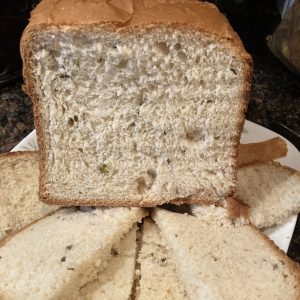
Photo of homemade bread with herbs
Baking fresh herb bread at home is a delightful and fulfilling endeavor. With a handful of aromatic herbs and a simple bread dough, you can create a fragrant and flavorful loaf that will elevate any meal. The process is surprisingly easy, and the result is a crusty exterior with a soft, tender crumb bursting with the essence of fresh herbs. Whether you choose rosemary, thyme, or a combination of your favorite herbs, the aroma that fills your kitchen while baking is simply intoxicating. Indulge in the satisfaction of homemade bread and savor the delectable taste of herbs in every bite.
Photo of homemade bread with herbs

Fresh Herb Bread

New Flavours Bread Machine Recipes
With a handful of aromatic herbs and a simple bread dough, you can create a fragrant and flavorful loaf that will elevate any meal.
Course Side Dish

Ingredients
  

  • 10 Tbsp water (1 cup + 2 Tbsp)
  • 2 Tbsp margarine or butter
  • 3 cups bread flour
  • 1/4 cup fresh parsley (chopped)
  • 1 Tbsp fresh oregano leaves (chopped)
  • 2 tsp fresh sage leaves (chopped)
  • 2 tsp fresh thyme leaves (chopped)
  • 1 tsp fresh basil leaves (chopped)
  • 3 Tbsp dry milk
  • 2 Tbsp sugar
  • 1 tsp salt
  • 1.5 tsp yeast

Instructions
 

  • Place all the ingredients in the bread machine (adding liquids first, followed by the dry ingredients and herbs, and the yeast going in last).
  • lSect the basic white cycle. Use a medium or light crust.
  • It is recommended to use a bread pan with 9 cups or larger for this 1.5 lb loaf.

Elderberry Syrup

Photo of dark purple elderberry berries
Making elderberry syrup at home with fresh ingredients is both simple and rewarding. The process involves gathering plump elderberries and simmering them with a few other natural ingredients. The resulting syrup is not only delicious but also packed with potent medicinal benefits. Elderberry has been treasured for centuries due to its immune-boosting properties, making it a perfect addition to your wellness routine. With just a little effort, you can whip up this nourishing syrup in your own kitchen, providing your family with a homemade elixir that is both satisfying and beneficial.


Photo of dark purple elderberry berries

Elderberry Syrup

Amy from Amy's Miscellany
Elderberry has been treasured for centuries due to its immune-boosting properties, making it a perfect addition to your wellness routine.
Prep Time 1 hour 10 minutes
Total Time 1 hour 10 minutes
Course Drinks, Ingredient

Equipment

  • 1 Steam juicer

Ingredients
  

  • 2 lb fresh, ripe elderberries
  • 1 cup honey (or maple syrup or date syrup)
  • 2" piece fresh ginger root (shredded)
  • Optional additions: cinnamon stick, cloves, turmeric root, thyme, sage, rosemary, etc. (get creative by adding any medicinal herb/spice you like!)

Instructions
 

  • Remove stems from fresh elderberries.
  • Place elderberries in the top part of a steam juicer. Steam for 30 minutes until the juice is running freely. Press berries lightly to release as much juice as possible.
  • Draw off the hot juice into a saucepan. You should have about 4 cups of juice. Add ginger (and any additional/optional ingredients except the honey) to the saucepan.
  • Simmer the juice with the ginger at a low temperature for 30 minutes until the juice is reduced to 2 cups. Remove the juice from the heat. Pour the juice through a mesh strainer to remove the ginger/other ingredients.
  • Add 1 cup of honey to the strained, reduced juice and stir well to combine. Pour into prepared sanitized bottle with tight-fitting lid. Label.
  • Keep refrigerated with lid firmly on. Will keep for several weeks in the fridge but also freezes nicely up to 6 months!

Notes

How To Use Elderberry Syrup: Adults can take 1 tablespoon of syrup at the first sign of a virus. Children who are able to have honey (over the age of 1) can take 1 teaspoon at the sign of infection. Take every 3 hours (up to 5 times daily) until symptoms are resolved.
Notes on Elderberries: Raw elderberries can cause stomach discomfort in some people - the problem is in the seeds. You must boil the berries for 30 minutes to remove the poisonous compound.
This recipe is courtesy of Amy from Amy's Miscellany (@amysmiscellany on Instagram)

How To Dry Fresh Dill

Dill fronds with plant label

Dill, with its delicate leaves and distinctive flavor, is a versatile herb that adds a touch of freshness to various culinary creations. Drying dill is a straightforward and effective method to extend its shelf life and ensure a ready supply of this flavorful herb throughout the year. By following a few simple steps, you can successfully dry dill, preserving its aromatic qualities and allowing you to savor its unique taste in your dishes long after the growing season has passed. Join us as we unravel the art of drying dill and discover how to harness its essence in your kitchen.

How To Dry Fresh Dill

Drying dill is a straightforward and effective method to extend its shelf life and ensure a ready supply of this flavorful herb throughout the year.
Course: Ingredient
Author: Pam from For The Love of Cooking

Materials

  • Cloth towels or paper towels
  • Baking sheet
  • Parchment paper or Silpat mat
  • Small glass jar or spice jar

Instructions

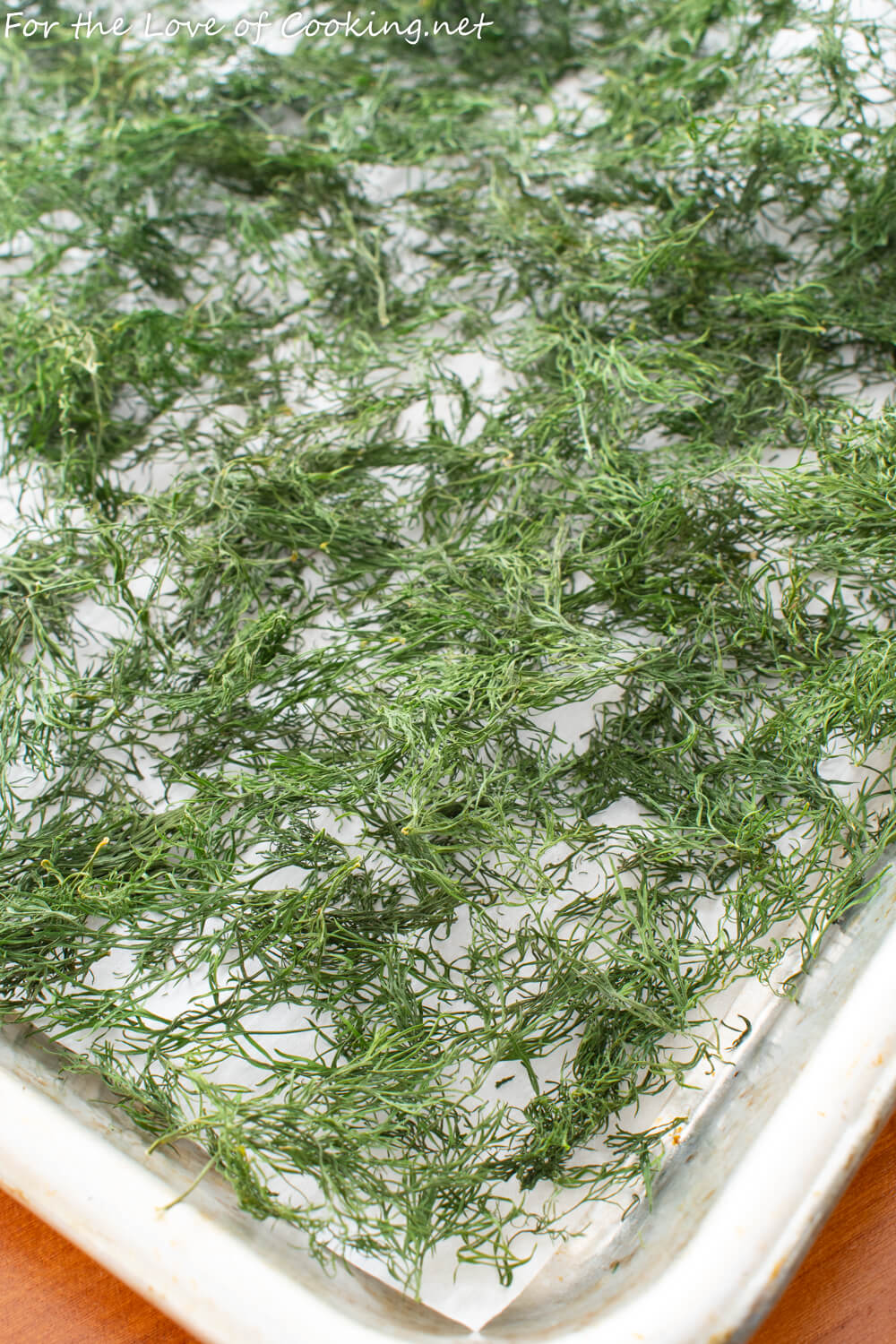
  • Preheat the oven to 225 degrees F. Line a baking sheet with parchment paper or a Silpat mat.
  • Wash the fresh dill sprigs in cold water then dry very well on a towel or a few paper towels.
  • Remove all the stems from the dill sprigs and place them on a dry towel. Once all the stems are removed, pat them dry one more time.
  • Evenly scatter the dill on the prepared baking sheet.
  • Place the baking sheet in the oven for 25 minutes, then check to see how the dill is doing. If it’s really dry and crumbles easily, remove it from the oven, if it’s not, keep it in the oven for another 5-10 minutes, as needed until dried.
  • Remove from the oven and allow to cool for 10-15 minutes.
  • Roll it up in the parchment paper and crinkle it with your hands until it’s crushed well. Pour into a small glass jar or spice jar and keep stored sealed with an airtight lid in a cool dry place.

Notes

This recipe is courtesy of Pam from The Love of Cooking.

How To Freeze Cilantro

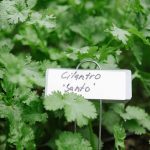
Detail photo of cilantro leaves with plant label

Cilantro, with its fresh and zesty flavor, is a herb that adds a delightful touch to a variety of dishes. Freezing cilantro is a simple and convenient method to preserve its vibrant taste and aroma for future culinary endeavors. With just a few easy steps, you can ensure a steady supply of this herb, ready to enhance your recipes even when it’s not in season. Join us as we unlock the secrets of freezing cilantro, allowing you to extend its shelf life while maintaining its distinct qualities.

How To Freeze Cilantro

Freezing cilantro is a simple and convenient method to preserve its vibrant taste and aroma for future culinary endeavors.
Course: Ingredient
Author: Molly Watson

Instructions

Preparing Cilantro for Freezing

  • No matter which method you choose, it is important to start with perfectly clean cilantro.
  • Give it a swish in cool water to get rid of any dirt, grit, or dust clinging to its leaves.
  • Then, because excess water will create damaging ice crystals, be sure to dry it thoroughly. One way to do this is to spin it in a salad spinner and then lay on layers of paper towel. Roll up the paper towels starting at one end, encasing the cilantro, to soak up any bits of excess moisture.

Method 1: Freeze Cilantro Leaves in a Bag*

  • This method is the easier choice since you are simply placing the leaves in a bag and freezing. Once the cilantro is defrosted, the leaves won't look great, so it is best to use the herb as an ingredient stirred into recipes rather than as a garnish with this method.
  • Place one freezer bag into another to create a "double bag."
  • Remove the leaves from the stems and add the cilantro leaves to the inner bag.
  • Push out as much air from the bags as possible and seal tightly.
  • Stick the bag in the freezer and simply pop off the leaves as you want to use them.

Method 2: Freeze Cilantro In Cubes**

  • This freezing method creates small cubes, ideal for popping into soups or stews to add a burst of cilantro's unique, fresh flavor. For this method, before the cilantro can be put into the ice cube tray, it needs to be pureed with a liquid.
  • Whirl the cilantro in a blender or food processor with enough water or olive oil to make a thick puree.
  • Pour into a clean ice cube tray or small covered containers and place in the freezer.
  • Once frozen through, transfer the cilantro cubes to a resealable plastic bag for long-term storage—they will last in the freezer up to six months.

Notes

Cilantro frozen this way works best in dishes where it is cooked, such as black beans, or in recipes where the leaves are really mixed in, such as guacamole.
Cilantro makes a lovely pesto that freezes nicely in cubes and adds bright flavor to pasta, salads, and more. The oil also acts as a barrier between the freezer and the delicate cilantro leaves. Simply make pesto as usual, adding more oil if needed, and pour into an ice cube tray. Freeze completely, pop out the squares, and store in a zip-top freezer bag or container for up to six months.
These instructions are courtesy of Molly Watson at The Spruce Eats.