Pasta with Butternut Squash and Sage

Photo of paste with sage and mushrooms from Eaters Collective from Unsplash

Capture the essence of autumn with our pasta featuring butternut squash and sage. This dish celebrates the season’s bounty with roasted squash and fresh sage from your garden. It’s a simple yet flavorful combination, highlighting the sweet richness of squash and the earthy aroma of sage. Whether enjoyed as a cozy meal or a hearty side, this dish brings the warmth of fall to your table in every bite.
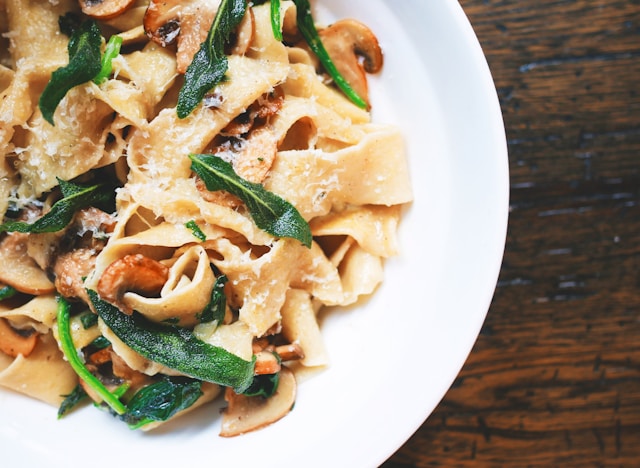
Photo of paste with sage and mushrooms from Eaters Collective from Unsplash

Pasta with Butternut Squash and Sage

NY Times Magazine
Elevate your culinary prowess with a homemade paste featuring the vibrant duo of butternut squash and sage. Crafted from your garden's harvest, this flavorful blend promises a taste of autumn's finest.
Prep Time 20 minutes
Cook Time 40 minutes
Total Time 1 hour
Course Main Course
Servings 4 servings

Ingredients
  

  • 2 medium butternut squash (peeled, seeds and fibers scooped out, cut into 1/2 inch cubes)
  • 1 lb bow-tie pasta
  • 4 tsp melted unsalted butter
  • 1/2 cup chicken broth (homemade or low-sodium canned)
  • 2 Tbsp PLUS 2 tsp chopped fresh sage
  • 2.5 tsp salt
  • 1 tsp freshly ground pepper (to taste)
  • 3 Tbsp freshly grated Parmesan cheese
  • 1/2 cup dry bread crumbs

Instructions
 

  • Preheat the oven to 375 degrees. Place the squash on a baking sheet and roast until tender, about 25 minutes.
  • Meanwhile, bring a large ovenproof pot of lightly salted water to the boil. Add the pasta and cook until al dente, about 11 minutes. Drain, rinse, and drain again.
  • Lower the oven to 350 degrees. Place the pasta back in the pot and add the squash, butter, chicken broth, 2 Tbsp of sage, 2 tsp of salt, 1/2 tsp pepper and 2 Tbsp Parmesan. Toss to mix well.
  • In a small bowl, combine the breadcrumbs, remaining 2 tsp sage, 1/2 tsp salt, 1 Tbsp Parmesan, and pepper to taste.
  • Sprinkle the mixture over the top of the pasta. Bake for 15 minutes. Divide among 4 plates and serve immediately.

Notes

This recipe was published in the November 16, 1994 edition of NY Times Magazine. (pp 71-72)
This favorite recipe was contributed by a Backyard Eats client! She encourages home cooks to substitute ingredients as needed based their lifestyle or what's growing fresh in their garden.


Butternut Squash Soup

Photo of squash soup from Valeria Boltneva from Unsplash

Whipping up a batch of homemade butternut squash soup is a straightforward and deeply satisfying experience. This method ensures that the natural sweetness and nuttiness of the squash shine through, resulting in a comforting, creamy soup that’s perfect for fall. Yet, it’s not just about the flavors; butternut squash soup is also a nutritional powerhouse, packed with vitamins, fiber, and antioxidants that can support your well-being. So, indulge in the simplicity of creating this classic soup and savor its nourishing goodness.

Photo of squash soup from Valeria Boltneva from Unsplash

Butternut Squash Soup

Love & Lemons
The natural sweetness and nuttiness of the squash shine through, resulting in a comforting, creamy soup that's perfect for fall.
Prep Time 10 minutes
Cook Time 35 minutes
Total Time 45 minutes
Course Soup
Servings 6 servings

Equipment

  • 1 5.5-Quart Dutch Oven
  • 1 Blender

Ingredients
  

  • 2 Tbsp extra virgin olive oil
  • 1 large yellow onion, chopped
  • 1/2 tsp sea salt
  • 1 (3 lb) butternut squash (peeled, seeded, and cubed)
  • 3 cloves garlic, chopped
  • 1 Tbsp fresh sage, chopped
  • 1/2 Tbsp fresh rosemary, minced
  • 1 tsp fresh ginger, grated
  • 3-4 cups vegetable broth
  • Freshly ground black pepper, to taste
  • Chopped parsley, toasted pepitas, and/or crusty bread (for serving)

Instructions
 

  • Heat the oil in a large pot over medium heat. Add the onion, salt, and several grinds of fresh pepper and sauté until soft, 5 to 8 minutes. Add the squash and cook until it begins to soften, stirring occasionally, for 8 to 10 minutes.
  • Add the garlic, sage, rosemary, and ginger. Stir and cook 30 seconds to 1 minute, until fragrant, then add 3 cups of the broth. Bring to a boil, cover, and reduce heat to a simmer. Cook until the squash is tender, 20 to 30 minutes.
  • Let cool slightly and pour the soup into a blender, working in batches if necessary, and blend until smooth. If your soup is too thick, add up to 1 cup more broth and blend. Season to taste and serve with parsley, pepitas, and crusty bread.

Notes

This recipe is originally from the Love and Lemons blog.

French Potato Salad

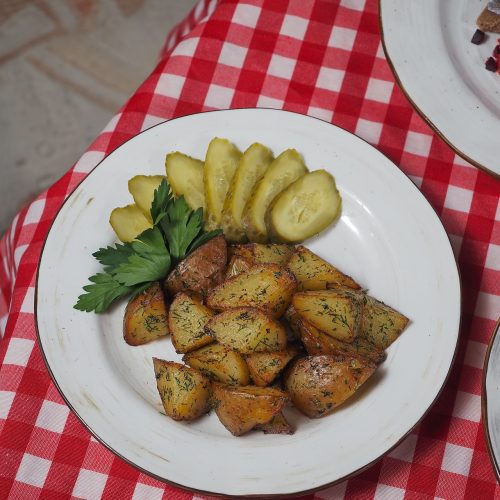
Photo of roasted potatoes from Nadin from Pexels

French potato salad with tarragon is a flavorful and classic dish that combines the creamy goodness of potatoes with the aromatic touch of tarragon. With minimal ingredients and simple preparation, you can create a delightful salad that is both comforting and satisfying. The tender boiled potatoes, tossed with a tangy vinaigrette and fresh tarragon, create a harmonious blend of flavors. Whether enjoyed as a side dish or a light lunch, French potato salad with tarragon offers a delightful balance of tastes and textures. Embrace the simplicity of making this salad and savor its deliciousness with every delectable bite.

Photo of roasted potatoes from Nadin from Pexels

French Potato Salad

Taste of Home
French potato salad with tarragon is a flavorful and classic dish that combines the creamy goodness of potatoes with the aromatic touch of tarragon.
Prep Time 10 minutes
Cook Time 15 minutes
Course Side Dish
Servings 6 cups

Ingredients
  

  • 1 lb baby red potatoes
  • 1 lb baby yellow potatoes
  • 1 clove garlic
  • 1/4 cup olive oil
  • 2 Tbsp white wine or champagne vinegar
  • 2 tsp Dijon mustard
  • 1/2 tsp salt
  • 1/2 tsp pepper
  • 1 shallot (finely chopped)
  • 1 Tbsp each mixed fresh chervil, parsley, and chives
  • 1 tsp minced fresh tarragon

Instructions
 

  • Place potatoes in a large saucepan; add water to cover. Bring to a boil. Reduce heat; cook, uncovered, 10-15 minutes or until tender. With a slotted spoon, remove potatoes to a colander; cool slightly. Return water to a boil. Add garlic; cook, uncovered, 1 minute. Remove garlic and immediately drop into ice water. Drain and pat dry; mince. Reserve 1/4 cup cooking liquid.
  • Cut cooled potatoes into 1/4-inch slices. Transfer potatoes to a large bowl. In a small bowl, whisk reserved cooking liquid, oil, vinegar, mustard, minced garlic, salt and pepper until blended. Pour over potato mixture; toss gently to coat. Gently stir in remaining ingredients. Serve warm or at room temperature.

Notes

If you don't have chervil, you may substitute extra parsley and/or tarragon.
This recipe came from the Taste of Home blog.

Fresh Herb Bread

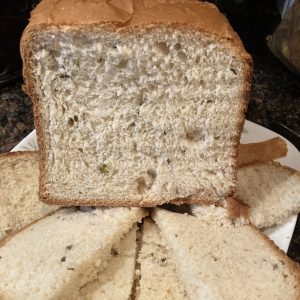
Photo of homemade bread with herbs
Baking fresh herb bread at home is a delightful and fulfilling endeavor. With a handful of aromatic herbs and a simple bread dough, you can create a fragrant and flavorful loaf that will elevate any meal. The process is surprisingly easy, and the result is a crusty exterior with a soft, tender crumb bursting with the essence of fresh herbs. Whether you choose rosemary, thyme, or a combination of your favorite herbs, the aroma that fills your kitchen while baking is simply intoxicating. Indulge in the satisfaction of homemade bread and savor the delectable taste of herbs in every bite.
Photo of homemade bread with herbs

Fresh Herb Bread

New Flavours Bread Machine Recipes
With a handful of aromatic herbs and a simple bread dough, you can create a fragrant and flavorful loaf that will elevate any meal.
Course Side Dish

Ingredients
  

  • 10 Tbsp water (1 cup + 2 Tbsp)
  • 2 Tbsp margarine or butter
  • 3 cups bread flour
  • 1/4 cup fresh parsley (chopped)
  • 1 Tbsp fresh oregano leaves (chopped)
  • 2 tsp fresh sage leaves (chopped)
  • 2 tsp fresh thyme leaves (chopped)
  • 1 tsp fresh basil leaves (chopped)
  • 3 Tbsp dry milk
  • 2 Tbsp sugar
  • 1 tsp salt
  • 1.5 tsp yeast

Instructions
 

  • Place all the ingredients in the bread machine (adding liquids first, followed by the dry ingredients and herbs, and the yeast going in last).
  • lSect the basic white cycle. Use a medium or light crust.
  • It is recommended to use a bread pan with 9 cups or larger for this 1.5 lb loaf.

Elderberry Syrup

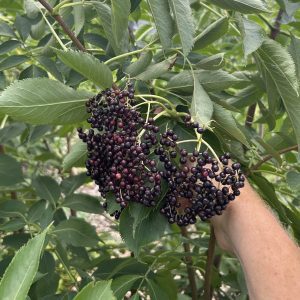
Photo of dark purple elderberry berries
Making elderberry syrup at home with fresh ingredients is both simple and rewarding. The process involves gathering plump elderberries and simmering them with a few other natural ingredients. The resulting syrup is not only delicious but also packed with potent medicinal benefits. Elderberry has been treasured for centuries due to its immune-boosting properties, making it a perfect addition to your wellness routine. With just a little effort, you can whip up this nourishing syrup in your own kitchen, providing your family with a homemade elixir that is both satisfying and beneficial.


Photo of dark purple elderberry berries

Elderberry Syrup

Amy from Amy's Miscellany
Elderberry has been treasured for centuries due to its immune-boosting properties, making it a perfect addition to your wellness routine.
Prep Time 1 hour 10 minutes
Total Time 1 hour 10 minutes
Course Drinks, Ingredient

Equipment

  • 1 Steam juicer

Ingredients
  

  • 2 lb fresh, ripe elderberries
  • 1 cup honey (or maple syrup or date syrup)
  • 2" piece fresh ginger root (shredded)
  • Optional additions: cinnamon stick, cloves, turmeric root, thyme, sage, rosemary, etc. (get creative by adding any medicinal herb/spice you like!)

Instructions
 

  • Remove stems from fresh elderberries.
  • Place elderberries in the top part of a steam juicer. Steam for 30 minutes until the juice is running freely. Press berries lightly to release as much juice as possible.
  • Draw off the hot juice into a saucepan. You should have about 4 cups of juice. Add ginger (and any additional/optional ingredients except the honey) to the saucepan.
  • Simmer the juice with the ginger at a low temperature for 30 minutes until the juice is reduced to 2 cups. Remove the juice from the heat. Pour the juice through a mesh strainer to remove the ginger/other ingredients.
  • Add 1 cup of honey to the strained, reduced juice and stir well to combine. Pour into prepared sanitized bottle with tight-fitting lid. Label.
  • Keep refrigerated with lid firmly on. Will keep for several weeks in the fridge but also freezes nicely up to 6 months!

Notes

How To Use Elderberry Syrup: Adults can take 1 tablespoon of syrup at the first sign of a virus. Children who are able to have honey (over the age of 1) can take 1 teaspoon at the sign of infection. Take every 3 hours (up to 5 times daily) until symptoms are resolved.
Notes on Elderberries: Raw elderberries can cause stomach discomfort in some people - the problem is in the seeds. You must boil the berries for 30 minutes to remove the poisonous compound.
This recipe is courtesy of Amy from Amy's Miscellany (@amysmiscellany on Instagram)